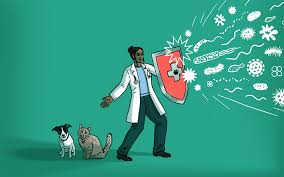
Preventive screenings in veterinary clinics protect you from sudden shock and regret. You bring your pet in for shots or a limp. You expect a quick fix. Instead, a hidden disease appears on a simple test. That moment can feel like a punch to the chest. Regular screenings catch problems early, when treatment is easier and less harsh. They help you avoid emergency visits, rushed choices, and crushing bills. You gain time with your pet. You gain control. Many clinics now offer blood work, urine tests, and imaging as part of routine visits. An animal clinic in Dallas may already suggest these checks at yearly exams. You might wonder if they are really needed. You might worry about cost or stress for your pet. This blog explains why saying yes to screenings now can spare you pain later and keep your pet safer for longer.
Why early screening matters for your pet
Most pets hide pain. They eat. They wag or purr. You miss the small signs. By the time you see clear trouble, disease is often advanced. Screening shines a light before things get worse.
Routine tests can uncover
- Kidney and liver disease before organ failure
- Diabetes before weight loss and thirst take over
- Heart disease before coughing and weakness start
- Cancer before a lump grows or spreads
- Parasites before anemia and gut damage set in
The U.S. Food and Drug Administration explains that pets often show illness late in the process. Blood work and urinalysis can show early change long before you notice signs.
Common preventive screenings you should know
Your veterinarian may suggest several core screenings. Each one answers a different question about your pet’s body.
- Physical exam. Hands on check from nose to tail. Eyes. Ears. Teeth. Heart. Lungs. Joints. Skin.
- Blood tests. A complete blood count and chemistry panel show red cells, white cells, platelets, and organ function.
- Urinalysis. This helps show kidney function, infection, crystals, or diabetes.
- Fecal test. This checks for worms and other parasites that can harm pets and sometimes people.
- Heartworm test. A fast blood test shows if your dog or cat has heartworms from mosquito bites.
- X rays and ultrasound. Imaging can find tumors, heart enlargement, stones, or joint disease.
- Dental exam and dental X rays. These find tooth decay, infection, and bone loss under the gum line.
The American Veterinary Medical Association stresses that routine exams and screening tests support longer and better lives for pets.
How often should your pet get screened
Your pet’s age and health shape the schedule. A simple rule of three helps.
- Puppies and kittens. Every 3 to 4 weeks until vaccines finish. Fecal tests and exams at each visit. Blood tests as needed.
- Healthy adults. At least once every 12 months. Physical exam, fecal test, heartworm test, and baseline blood work.
- Seniors. Often every 6 months. Physical exam, blood work, urinalysis, blood pressure check, and imaging when advised.
Your veterinarian may adjust this plan for chronic disease, breed risks, or past lab results.
Cost of screenings compared with emergency care
Money is a real worry. Screening has a cost. Waiting has a cost that is often higher and hits without warning.
Approximate cost comparison for dogs and cats
| Service | Typical frequency | Estimated cost per visit (USD) | What it can help you avoid |
|---|---|---|---|
| Annual wellness exam with basic lab work | Once per year for adults | $150 to $250 | $1,000 to $3,000 emergency visit for sudden crisis |
| Senior screening panel with urinalysis | Every 6 to 12 months for seniors | $200 to $350 | $3,000 or more for kidney or heart failure care |
| Heartworm test and prevention | Test yearly. Prevention monthly. | $50 test plus $80 to $150 yearly prevention | $1,000 to $1,500 for heartworm treatment |
| Dental cleaning with dental X rays | Every 1 to 3 years | $300 to $800 | $800 or more for extractions and infection treatment |
These ranges are estimates. Costs vary by region. Still, the pattern is clear. Planned care is cheaper than crisis care.
Helping your pet handle screening visits
Many pets feel stress at the clinic. You can ease that stress with a few steady steps.
- Use short car rides for fun visits so the clinic is not the only destination.
- Bring a favorite toy or blanket. Familiar smells calm many pets.
- Offer small treats during and after the visit if your veterinarian allows food.
- Ask about gentle handling and quiet waiting options for fearful pets.
- Plan visits at less busy times when possible.
Small changes in routine can turn a hard visit into a brief and calm event.
Questions to ask your veterinarian
- Which tests do you recommend for my pet today and why
- What could these tests find
- What happens if we wait
- How will results change the care plan
- What are the total costs today and over the next year
Direct questions help you decide with confidence and without confusion.
Taking the next step
Preventive screenings are not a luxury. They are a basic guard for your pet and your family. Early answers give you choices. Late answers often remove them. You do not control when disease starts. You do control how soon you look for it.
Schedule the next wellness visit before a crisis forces your hand. Ask about a simple screening plan that fits your pet’s age, breed, and history. Then follow it. Your pet gains more comfortable years. You gain fewer nights in an emergency room, fewer sudden bills, and fewer painful what if questions.