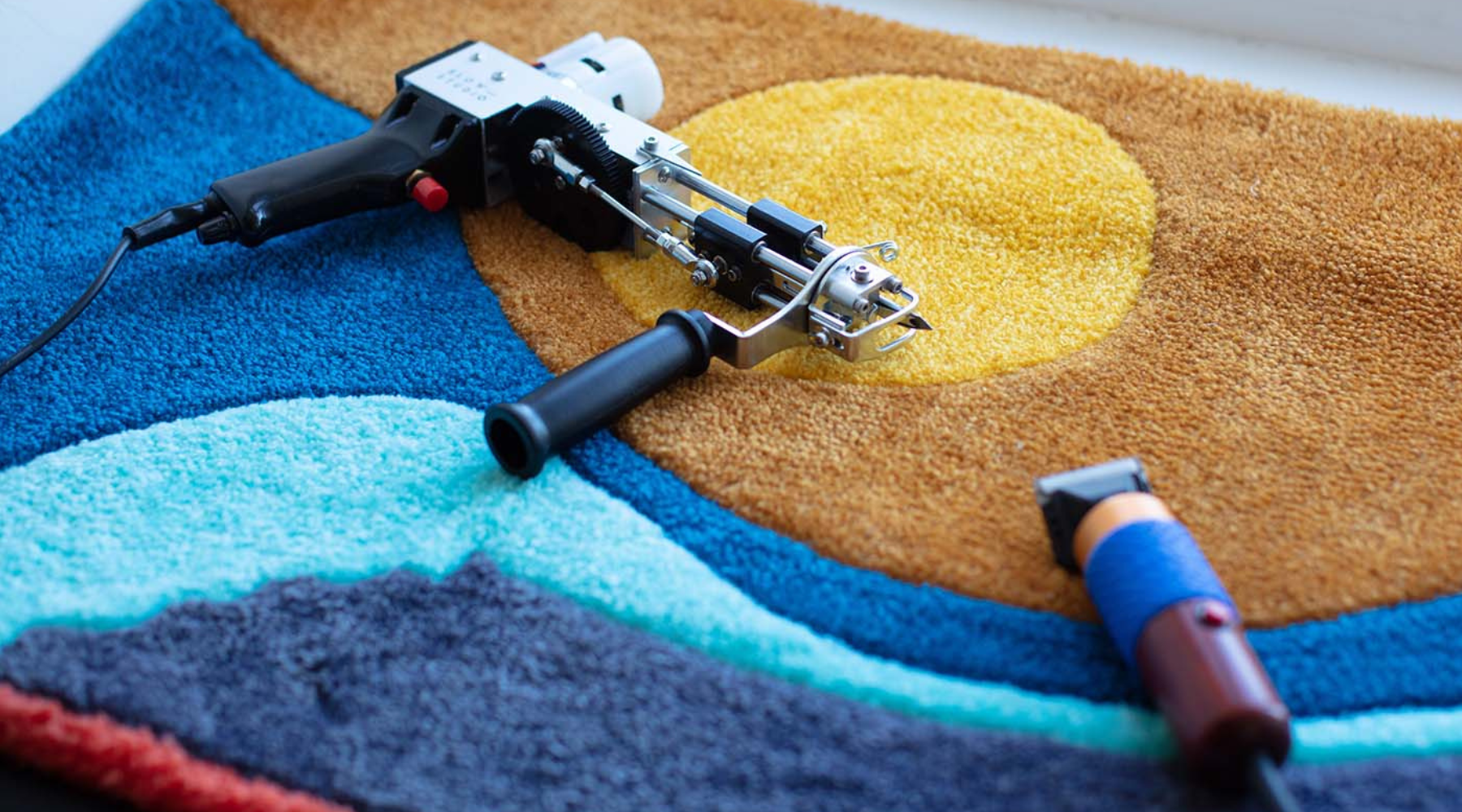
There’s something deeply satisfying about creating textile art with your own hands—the rhythm of the tufting gun, the vibrant colors taking shape, the transformation of blank fabric into a personalized rug that reflects your unique style. Yet many crafters find themselves abandoning projects midway, their arms aching and hands cramping from wielding heavy, unwieldy tools. This physical barrier shouldn’t stand between you and your creative vision. A lightweight tufting gun changes everything, turning what was once an exhausting endeavor into an enjoyable, sustainable practice. This tool innovation directly addresses the fatigue that plagues both beginners and experienced textile artists, making the entire process more inviting and productive. Throughout this article, we’ll explore how choosing a lighter tool transforms your crafting experience through superior ergonomics that protect your body, enhanced precision that elevates your artistic results, and improved accessibility that welcomes crafters of all skill levels into the world of personalized home decor.
The Ergonomic Advantage: How a Lightweight Tufting Gun Reduces Fatigue
Traditional tufting guns often weigh several pounds, and when you’re holding one overhead or at arm’s length for extended periods, that weight compounds quickly. What starts as minor discomfort in your wrist and forearm escalates into genuine pain within thirty minutes, forcing you to stop just as your creative momentum builds. This physical strain doesn’t just interrupt your workflow—it fundamentally limits how much you can create and dims the joy of the entire experience. Heavy tools demand constant muscular engagement to maintain control, leading to tension that radiates from your hands up through your shoulders and neck.
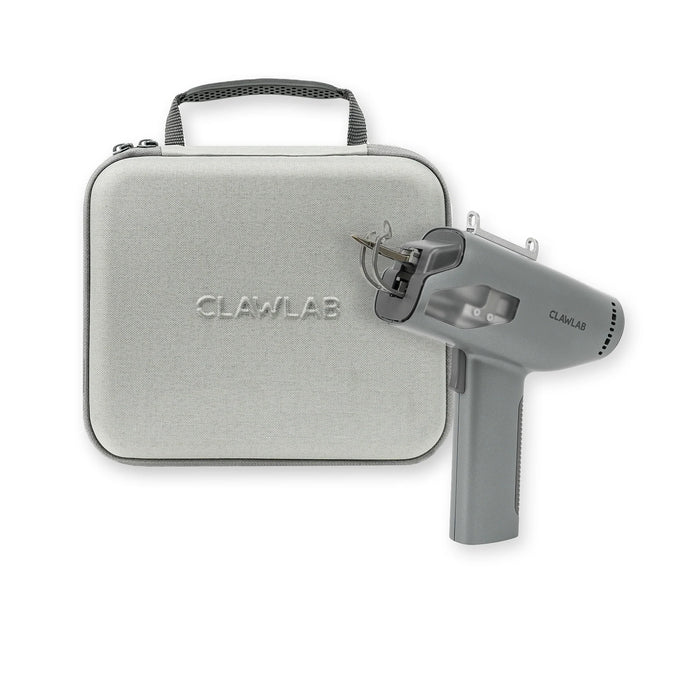
A lightweight tufting gun fundamentally changes this dynamic by significantly reducing the load your muscles must support throughout your crafting session. When your tool weighs substantially less, your hand and arm muscles work in a more natural, relaxed state rather than constant tension. This translates directly into longer, more comfortable crafting sessions where fatigue builds gradually rather than suddenly overwhelming you. The reduced weight also lowers your risk of developing repetitive strain injuries, which plague many textile artists who work with heavier equipment over time. Your grip remains steady without requiring a death-grip tension, and your shoulders can maintain a neutral, healthy position rather than hunching forward to compensate for tool weight.
Practical Steps: Maximizing Comfort and Preventing Injury
Position your tufting frame at chest height so your arms work at a comfortable angle without excessive reaching. Stand with your feet shoulder-width apart, weight distributed evenly, allowing you to shift naturally as you work across the canvas. Hold your lightweight tufting gun with a relaxed grip—firm enough for control but loose enough that your knuckles don’t turn white. Every twenty minutes, set the gun down and perform simple wrist circles and shoulder rolls to maintain circulation and flexibility. Pay attention when your body signals discomfort; brief pauses prevent minor aches from becoming chronic problems that could sideline your creative practice entirely.
Precision and Control: Elevating Your Textile Art Quality
The relationship between tool weight and artistic precision is more direct than many crafters realize. When your tufting gun feels like a burden rather than an extension of your hand, every movement becomes less controlled and more labored. A heavy tool amplifies even the slightest hand tremor, making it difficult to follow the lines of your design accurately. As fatigue sets in, your ability to maintain consistent pressure and speed deteriorates, resulting in uneven pile heights and irregular patterns that compromise the professional appearance of your personalized rugs. The weight forces you to focus more on simply holding the tool steady than on the artistic decisions that truly matter—where to place each tuft, how to transition between colors, and how to execute the intricate details that elevate your work from basic to breathtaking.
A lightweight tufting gun restores your natural dexterity and fine motor control, allowing your artistic vision to flow directly through your hands into the tufting cloth without physical interference. The reduced mass means less momentum to control when starting and stopping, giving you crisp, clean edges rather than dragged or overshot lines. Your hand can make subtle adjustments instantly, following curves smoothly and creating sharp corners with confidence. This enhanced control becomes especially valuable when working on detailed elements—facial features in portrait rugs, intricate geometric patterns, or delicate lettering in custom pieces. The lighter tool responds immediately to your intentions, translating the image in your mind onto the canvas with remarkable fidelity. This precision doesn’t just improve aesthetics; it reduces the frustration of mistakes and the time spent correcting errors, making your entire creative process more efficient and satisfying.
Step-by-Step Guide to Mastering Detail Work
Begin by practicing basic shapes on scrap tufting cloth—circles, squares, and straight lines—to develop muscle memory without the pressure of ruining a project. Focus on maintaining consistent speed as you move the gun, neither rushing through sections nor lingering too long in one spot, which creates uniform pile density. When approaching sharp corners, slow down slightly and pivot your wrist smoothly rather than lifting the gun completely, maintaining contact for cleaner transitions. Experiment with both loop and cut pile settings to understand how each affects your design’s texture and appearance, noting that cut pile requires steadier hands for even results. If you notice uneven pile heights, check that you’re holding the gun perpendicular to the fabric and applying steady backward pressure as you work, adjusting your technique rather than blaming the tool.
Accessibility for All Crafters: From Beginner to Pro
The world of textile art has traditionally carried an unspoken barrier to entry—the physical strength and endurance required to work with professional-grade equipment. Many aspiring crafters attend their first workshop, feel the weight of a standard tufting gun, and immediately question whether this craft is really for them. This hesitation is particularly common among older adults, individuals with limited upper body strength, and those managing conditions like arthritis or previous injuries. A lightweight tufting gun dismantles this barrier entirely, transforming rug tufting from a physically demanding activity into an accessible creative outlet that welcomes anyone with artistic vision, regardless of their physical capabilities. Beginners no longer face the discouraging reality of abandoning their first project due to exhaustion, while the reduced intimidation factor encourages experimentation and skill development without the fear of physical consequences.
For experienced textile artists, the benefits extend beyond comfort into the realm of professional productivity and creative ambition. Seasoned crafters often envision large-scale personalized rugs or multiple commissioned pieces, but physical limitations with heavy equipment constrain how much they can realistically produce. A lightweight tool removes this ceiling, enabling professionals to work longer sessions when inspiration strikes or deadlines loom, and to tackle ambitious projects that would have been physically prohibitive with heavier equipment. This democratization of the craft means that artistic talent and dedication—rather than physical endurance—become the primary factors determining success. Whether you’re creating your first small wall hanging or your fiftieth custom rug commission, the right tool ensures your body supports rather than limits your creative journey.
Choosing Your Lightweight Tufting Gun: A Buyer’s Guide
Navigating the marketplace for your ideal lightweight tufting gun requires understanding which specifications genuinely matter for your textile art projects. Weight should be your first consideration—look for models under three pounds, as anything heavier negates the ergonomic advantages discussed earlier. Power source significantly impacts both performance and portability: electric guns offer convenience with simple plug-and-play operation, ideal for home studios, while pneumatic models require an air compressor but often deliver more consistent power for professional-scale work. Adjustable pile height functionality proves essential for creating textured designs and dimensional effects in your personalized rugs, so prioritize guns offering easy switching between settings rather than fixed heights. Noise level matters more than many crafters anticipate, especially if you work in shared spaces or during evening hours when neighbors are home. Check compatibility specifications carefully—some guns work exclusively with specific yarn weights or tufting cloth densities, potentially limiting your creative options or requiring additional material purchases.

When researching your purchase, use this practical checklist: verify the actual weight specification in product details, confirm the pile height range matches your project ambitions, read user reviews specifically mentioning comfort during extended sessions, check whether the manufacturer provides replacement parts and service support, and compare warranty terms as indicators of build quality. Brands like Clawlab have responded to crafter demand by designing models that prioritize ergonomic features alongside performance, reflecting the industry’s growing recognition that tool weight directly impacts creative output. Consider starting with a mid-range electric model if you’re new to the craft, as these balance affordability with features that support skill development. Experienced crafters producing commissioned work might justify investing in pneumatic systems for their superior durability and consistent performance across marathon crafting sessions. Remember that the right lightweight tufting gun isn’t simply the cheapest or most feature-packed option—it’s the tool that matches your physical needs, creative ambitions, and workspace realities, enabling you to focus on artistry rather than equipment struggles.
Transform Your Textile Art Journey with the Right Tool
A lightweight tufting gun represents far more than a simple equipment upgrade—it’s a fundamental shift in how you experience textile art creation. By eliminating the physical barriers that heavy tools impose, you reclaim the joy and sustainability of your craft, transforming exhausting sessions into comfortable, extended periods of creative flow. The ergonomic advantages protect your body from strain and injury, allowing you to pursue this passion for years without physical consequences. Enhanced precision elevates every project from amateur attempts to professional-quality personalized rugs that showcase your true artistic vision. Perhaps most importantly, this accessible tool democratizes the entire craft, welcoming beginners who might otherwise feel intimidated while empowering experienced artists to tackle ambitious projects previously limited by physical endurance. Your investment in the right lightweight tufting gun isn’t merely about acquiring better equipment—it’s about committing to your creative journey, respecting your body’s needs, and unlocking the full potential of your artistic expression. The barrier between your vision and your finished textile art no longer needs to be physical exhaustion; with the right tool in hand, only your imagination sets the limits on what you can create.