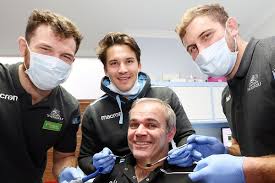
Your mouth affects every game, every practice, and every breath. As an athlete, you push your body hard. Your teeth, gums, and jaw take that hit too. Tight jaws can trigger headaches. Clenching can crack teeth. Small infections can drain your energy and slow your reaction time. Even a dry mouth can raise your risk of tooth damage. General dentistry steps in before that damage spreads. A dentist tracks how your bite, airway, and teeth respond to stress. Then you get a plan that fits your sport, your schedule, and your goals. This blog explains how routine checkups, custom mouthguards, and smart care protect your mouth and support your performance. It also shows how a dentist in Quogue, NY can work with you and your coach so your smile, breath, and focus stay sharp from warmup to final whistle.
Why Oral Health Matters For Your Performance
You train your legs, lungs, and core. You also need to train your mouth. Your teeth and gums affect three key parts of performance.
- Breathing. A tight jaw or swollen gums can change how you close your mouth and move air.
- Strength. Pain in your teeth or jaw can weaken your grip and lower body strength because your body pulls back from effort.
- Focus. Tooth pain distracts you. Even mild pain can slow reaction time and decision making.
Research from the Centers for Disease Control and Prevention shows that untreated oral disease links to pain, sleep loss, and missed activity. For an athlete, that can mean missed training days, slow recovery, and shaky confidence.
Sports Drinks, Sugar, And Tooth Damage
Many athletes rely on sports drinks, gels, and energy chews. These products often sit on your teeth. Sugar and acid work together and eat away at your enamel. Dry mouth from heavy breathing and some medicines makes the problem worse.
General dentistry helps you manage this risk. You get simple rules that fit your routine.
- Rinse with water after sports drinks or gels.
- Use toothpaste with fluoride twice a day.
- Chew sugar free gum with xylitol between meals.
These small steps protect your teeth so you can keep your nutrition plan.
Custom Sports Mouthguards Versus Store Mouthguards
A mouthguard is not only for contact sports. You can clench during running, lifting, or cycling. A mouthguard can soften that force. It also protects you from chipped or knocked out teeth and jaw injury.
A general dentist can fit a custom mouthguard that matches your bite and sport. The fit matters for comfort, speech, and breathing.
| Feature | Store Boil-and-Bite Guard | Custom Guard From General Dentist |
|---|---|---|
| Fit | Loose or uneven | Snug fit shaped to your teeth |
| Breathing | Can feel bulky and block airflow | Trimmed so you can breathe and speak clearly |
| Protection | Basic shock absorption | Targeted thickness for your sport and bite |
| Comfort | Can rub cheeks or gums | Smooth edges shaped to your mouth |
| Durability | May wear out within a season | Designed to last longer with proper care |
Better fit leads to better use. You are more likely to wear a guard that feels stable and lets you talk to teammates.
Routine Checkups That Match Your Training Cycle
General dentistry supports your training calendar. A dentist can time checkups around your preseason, in season, and off season needs.
- Preseason. Get a full exam, cleaning, X rays, and mouthguard fitting. Fix any small cavities before your schedule fills.
- In season. Use quick checkups to track jaw pain, mouthguard wear, and any broken fillings or chips.
- Off season. Plan longer work like crowns, implants, or orthodontic changes when you can rest.
This rhythm cuts the chance of a sudden tooth crisis before a game. It also keeps your care simple and predictable.
Jaw Clenching, Grinding, And Headaches
Many athletes clench their teeth during effort or stress. Some grind at night. This pressure can crack teeth, wear enamel, and strain the jaw joint. You may feel this as morning headaches, sore jaw muscles, or ear pain.
A general dentist can
- Check for flat or chipped tooth edges.
- Listen for clicks in your jaw joint.
- Ask about sleep, headaches, and snoring.
Then you may get a night guard that spreads out the pressure. You may also get simple jaw stretches and tips about posture. These steps can ease pain and help you sleep more deeply. Better sleep supports reaction time and recovery.
Managing Infections Before They Drain Your Energy
Gum disease and deep cavities do more than hurt your mouth. They stir up inflammation in your whole body. That can interfere with training and recovery.
The National Institute of Dental and Craniofacial Research reports that many adults have untreated decay. You may not notice until the damage is large. Regular exams catch these problems early. Treatment can remove infection before it spreads, protect your immune system, and cut the risk of missed games.
Protecting Young Athletes
Children and teens often move between sports and braces. They face hits to the face, falls, and changes in jaw growth. A general dentist guides parents and young athletes through three steps.
- Use a mouthguard that fits over braces.
- Limit constant sipping of sports drinks and juice.
- Get sealants on back teeth to lower the risk of cavities.
This support helps young athletes build habits that carry into college and adult sports.
Simple Daily Habits For Performance Based Oral Care
You do not need complex routines. You need consistent habits that respect your training.
- Brush twice a day for two minutes with fluoride toothpaste.
- Clean between your teeth once a day with floss or interdental brushes.
- Rinse with water after every practice or game.
- Store your mouthguard in a clean, vented case and wash it with mild soap and water.
These steps protect your mouth so you can focus on your sport, not your teeth.
Working With A Dentist As Part Of Your Support Team
Your coach tracks your workouts. Your trainer tracks your muscles. Your dentist tracks your mouth. When you share your sport, position, and goals, your dentist can shape care that fits your life.
You may need more frequent cleanings if you use inhalers. You may need special fluoride if you have many past cavities. You may need a fresh mouthguard each season as your body changes. Honest talk leads to a plan that supports your body, your performance, and your long term health.
When you treat your mouth as part of your training, you protect more than your smile. You protect your power, your breath, and your edge in every moment of play.