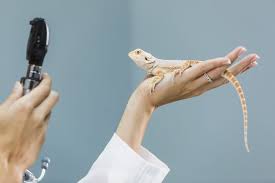
Exotic pets hide pain. They mask weakness. You often do not see a problem until it is severe. General veterinary care gives you a safety net. You catch problems early. You protect your pet from quiet, creeping harm. A Chester County vet who sees dogs and cats can still support your reptile, bird, or small mammal. First, routine visits create a health baseline. You and your vet can spot small changes before they turn into crises. Second, regular exams keep daily care on track. You learn how to feed, house, and handle your pet in a safe way. Third, steady care lowers long term costs and stress. You avoid late night emergencies and hard choices. This blog explains why steady, general care matters for exotic pets and how you can start today.
1. Routine checkups catch quiet problems early
Exotic pets often come from harsh wild settings. Their bodies are built to hide illness from predators. That same trait hurts them in your home. By the time you notice weight loss, odd breathing, or odd skin, your pet may already be in crisis.
Routine checkups change that story. During a visit, a general practice vet can
- Check weight and body shape
- Look at eyes, mouth, skin, feathers, or scales
- Listen to the heart and lungs
- Ask about eating, drinking, and bathroom habits
These simple steps pick up slow changes that you may miss. A small weight drop in a bearded dragon can signal parasites. A slight change in droppings in a parrot can point to liver trouble. A rabbit that eats a bit less may face dental pain.
The U.S. Food and Drug Administration stresses that pets need regular care to avoid preventable disease. That message applies to exotics as well. You give your pet a yearly shot at early help. You also give your family a chance to plan care before a true emergency hits.
Without routine visits, many exotic pets show up at clinics when they are cold, weak, and near collapse. At that point, treatment is hard, costs are high, and results are uncertain. With routine care, minor problems stay minor. You avoid the shock of sudden, severe news.
2. General vets guide daily care that actually works
Most exotic pet harm comes from daily life, not rare disease. Wrong food, wrong light, and wrong housing cause slow damage to bones, organs, and skin. Many owners do not mean harm. They follow pet store advice or online posts that sound kind but ignore science.
A general practice vet gives you clear, tailored guidance. During routine care, you can review
- Diet and treats
- Cage or tank size and layout
- Heat, light, and humidity
- Handling and social contact
- Toys, perches, and hiding spots
The American Veterinary Medical Association explains that many exotic pets need special housing, light, and food to stay healthy. General vets use that science to adjust your setup in small, realistic steps. You do not need fancy gear. You need safe basics done right.
Think about three common exotic pets.
| Pet type | Common hidden risk | How general vet care helps |
|---|---|---|
| Bearded dragon | Weak bones from low UVB and poor calcium | Checks lighting, diet, and growth. Adjusts bulbs and supplements. |
| Parrot or parakeet | Obesity and liver strain from seed heavy diet | Shifts toward pellets and fresh foods. Monitors weight and droppings. |
| House rabbit | Dental overgrowth and gut slowdown from low hay | Reviews teeth, gut sounds, and diet. Increases hay and trims teeth when needed. |
Each example shows the same pattern. A quiet problem grows under the surface. A simple change in daily care can stop it. You just need clear, trusted guidance. General vets give you that. They also watch how your pet responds over time. That helps your family avoid guilt and regret later.
3. Preventive care lowers stress and long term costs
Many families worry about cost. Exotic pet gear, food, and emergency care feel heavy. It is tempting to skip routine visits and hope for the best. That choice often leads to larger bills and painful scenes.
Preventive care spreads cost out over time. A yearly or twice yearly visit costs less than a late night hospitalization. Early treatment often uses simple medicine and home care. Late treatment can need oxygen, surgery, or long stays in a clinic.
Here is a simple comparison.
| Care pattern | Typical events | Impact on pet | Impact on family |
|---|---|---|---|
| Routine general care | Regular exams. Early lab tests. Adjusted diet and housing. | Stable weight and energy. Fewer crises. | Predictable costs. More control. Less guilt. |
| Emergency only | Visits only when very sick or injured. | Advanced disease. Higher risk of loss. | Large sudden bills. Fear and hard choices. |
There is another cost that you cannot measure in money. Children and adults form deep bonds with exotic pets. Sudden loss can cause anger, shame, and grief. Routine care cannot stop every loss. It does give you peace of mind. You know you did what you could, when it still mattered.
General practice vets can also help you plan. You can ask about likely life span, common risks for your species, and signs that need same day care. That knowledge lowers fear. Your family moves from guesswork to a clear action plan.
How to start general care for your exotic pet
You do not need to wait for a problem. You can start now.
- Call a local general practice clinic and ask if the vet sees your species
- Schedule a wellness visit instead of waiting for illness
- Bring photos of your pet’s cage or tank and a list of all foods and supplements
- Write down questions about behavior, handling, and family safety
- Plan a follow up visit date before you leave
If your pet is new to your home, try to schedule a visit within the first month. If you have had your pet for years without a checkup, do not feel shame. You can still change course today. Your effort now can add years of comfort for your pet and calmer days for your family.
Exotic pets depend on you to speak for them. General veterinary care gives you the facts, support, and clear steps you need. You protect a small life that trusts you. You also protect your own heart from the shock of preventable loss.