You Should Know
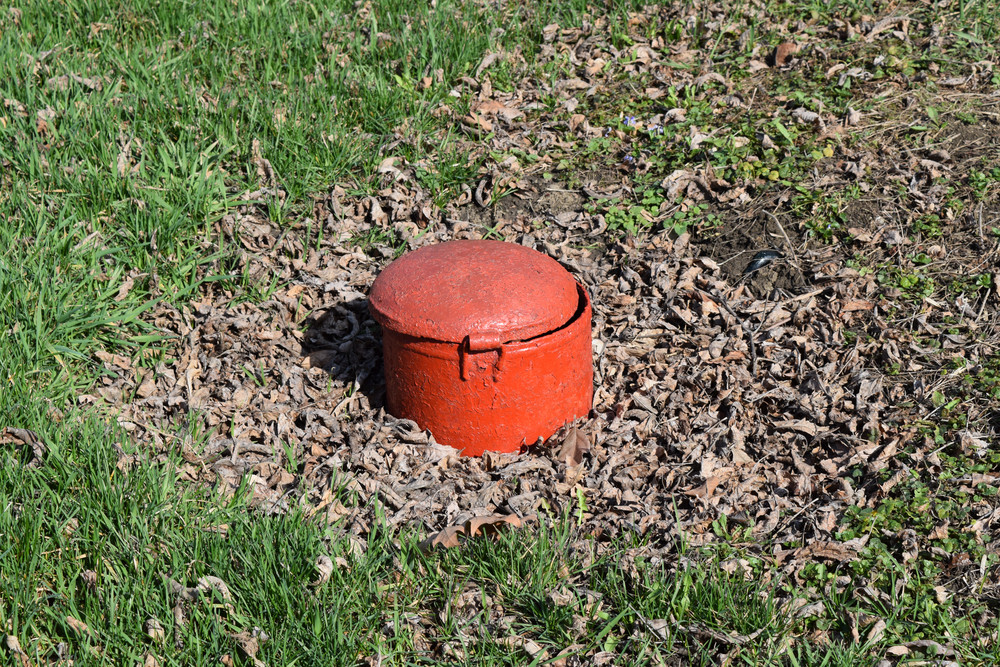
If you’ve recently purchased a new home that uses a septic system for waste management, you might be facing a learning curve. Transitioning from municipal sewer lines to a private septic system requires understanding how it functions, maintenance needs, and potential costs. This article will provide you with essential information to ensure your septic tank runs efficiently and keeps your new home functioning smoothly.
Understanding Septic Tank Basics
A septic tank is a key component of a septic system, which is a small-scale sewage treatment setup often used in homes outside urban areas. Unlike municipal sewage systems, a septic tank processes waste locally, allowing for safe disposal in soil. A standard septic tank typically holds about 1,000 gallons and is designed to separate and break down household waste over time.
The capacity of the tank makes it suitable for managing waste from the average household, but it’s essential to be mindful of what goes down your drains. Excessive water usage or introducing items like grease, chemicals, and non-biodegradable products can disrupt the tank’s function. Therefore, understanding the principles of waste management is crucial for first-time septic tank owners.
Knowing how a septic tank operates can help new homeowners make informed decisions about maintenance and care. It’s important to monitor what enters the system to prevent blockages and overflow. Understanding these basics ensures you use the septic tank efficiently to support a conducive living environment in your home.
Maintaining Your New Septic System
Septic systems require regular maintenance to function effectively, and preventive care is key. Industry experts often recommend cleaning the sewer line approximately every 18 to 22 months. This routine cleaning prevents buildup that can cause clogs and backups, ensuring your home’s waste management system operates smoothly.
Inspecting the septic tank regularly for leaks or damage is another critical part of maintenance. Early detection of issues can minimize repair costs and extend the system’s lifespan. Additionally, handling minor repairs promptly prevents them from escalating, ensuring your home’s septic system works efficiently for years to come.
Professional inspections every few years add an extra layer of assurance. These inspections offer a comprehensive review of the system’s health and function, identifying areas that need attention. By adhering to recommended maintenance schedules, you’ll protect your investment and avoid costly repairs down the line.
Understanding the Costs Involved
While operating a septic system involves certain ongoing expenses, these are generally manageable with proper planning. Regular pumping is one such cost, which averages between $95 and $180 each year. This routine service is vital for maintaining the tank’s efficiency, as it removes accumulated sludge that can impair function.
Budgeting for these costs is important to prevent financial surprises. Although initial installation may require a significant investment, its operating costs are relatively low compared to some municipal sewer fees. Understanding these costs can empower homeowners to allocate resources effectively to manage their home’s sewage system.
Savings accumulated from not paying monthly sewer bills can be redirected to cover long-term maintenance needs. Staying informed about these costs helps homeowners plan and maintain a well-functioning septic system. Proper financial management ensures long-term savings and system reliability, enhancing your home’s overall value.
Owning a home with a septic tank can be a rewarding experience if you understand the basics, practice regular maintenance, and manage costs efficiently. By ensuring proper usage and routine inspections, you’ll extend the life of your septic system and maintain its optimal function. Armed with this newfound knowledge, you’re ready to enjoy the comforts of your new home with confidence in its waste management capabilities.