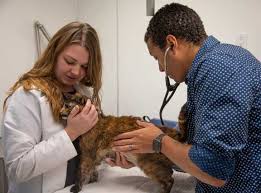
Cats and dogs both suffer when their hearts fail, but their heart problems do not look the same. You need to know those differences, because early action often decides how much time you get with your companion. Cats hide heart disease. They stay quiet and still. Dogs usually show clearer signs, like coughing or slowing down on walks. That contrast changes how heart disease is found, treated, and watched. It also changes the questions you should ask at every visit. This guide explains how veterinary cardiology separates cat care from dog care. It also shows what to expect if your vet recommends cardiology for pets in Longwood. You will see how breeds, size, and daily habits affect risk. You will also learn what tests matter most for each species and when to push for a heart check.
Why Cat And Dog Hearts Fail For Different Reasons
You see the same organ. Your vet sees two very different patterns.
In dogs, heart disease often starts with the valves or the heart muscle getting weak. Many dogs develop leaky valves as they age. Blood flows backward. The heart stretches. Fluid can build in the lungs. Large breeds face a different problem. Their heart muscle can thin and lose pumping strength.
In cats, the main problem is thick heart muscle. The walls of the heart get stiff. The heart cannot relax and fill with blood. You may never hear a heart murmur. You may never see a cough. Yet the risk of sudden crisis is high.
These patterns are not just medical labels. They change how you spot early trouble and how your vet plans care.
Common Heart Diseases In Cats And Dogs
| Feature | Cats | Dogs |
|---|---|---|
| Most common heart disease | Hypertrophic cardiomyopathy (thick heart muscle) | Degenerative mitral valve disease (leaky valve) |
| Typical age at diagnosis | Young to middle age | Middle age to senior |
| Key signs you might see | Quiet behavior, hiding, fast breathing at rest | Cough, exercise intolerance, heavy breathing, fainting |
| Heart murmur on exam | Often absent or subtle | Often present and clear |
| Emergency risk | Sudden clot, sudden fluid in lungs or chest | Gradual fluid buildup in lungs or abdomen |
| Screening focus | Echo in at risk breeds or before anesthesia | Routine listening, chest x rays, blood pressure |
You can see that cats often have quiet disease that hides under the surface. Dogs more often show a long slow slide that you can track over time.
Signs You Might Notice At Home
You spend the most time with your pet. You are the first line of heart care.
In dogs, watch for three main changes.
- Cough that lingers more than a week
- Less interest in walks or play
- Fast or hard breathing at rest
In cats, the signs are different.
- Breathing with mouth open
- Fast or shallow breathing while resting
- Sudden trouble using back legs
Any of these can signal an emergency. You should seek urgent care if you see them. The American College of Veterinary Internal Medicine explains more warning signs and heart disease types.
Why Breeds And Size Matter
Heart risk is not random. Breed and size shape it.
Small dogs like Cavalier King Charles Spaniels, Chihuahuas, and toy Poodles often develop valve disease. Large dogs like Dobermans and Boxers face weak heart muscle more often. Mixed breed dogs can also be affected. Size itself increases workload on the heart.
Cats show risk in certain breeds. Maine Coons and Ragdolls can inherit genes that affect heart muscle. Some lines of Sphynx, British Shorthair, and American Shorthair cats also carry higher risk.
You can read more on inherited heart disease in pets through the educational pages from North Carolina State University College of Veterinary Medicine.
How Vets Test Cat Hearts And Dog Hearts
Your vet starts with three tools.
- Listening with a stethoscope
- Checking pulse and breathing rate
- Reviewing breed, age, and signs at home
In dogs, a murmur or cough often leads to chest x rays and blood tests. Many vets also use blood markers like NT proBNP to see if heart strain is present. An electrocardiogram may check heart rhythm.
In cats, your vet may suggest an ultrasound of the heart even when the exam sounds normal. This is called an echocardiogram. It shows wall thickness, chamber size, and pumping strength. It also helps measure risk of blood clots.
These tests can feel scary. They give you a clear map. You and your vet can then choose medicine, diet changes, and activity limits with more certainty.
Treatment Differences Between Cats And Dogs
Once heart disease is found, treatment plans split again.
Dogs with leaky valves often receive drugs that help the heart pump and reduce fluid. Some may need water pills. Others may need drugs that relax blood vessels. Regular checks help your vet adjust doses and prevent crisis.
Cats with thick heart muscle may receive drugs that help the heart relax. Some may receive blood thinners to reduce clot risk. Many cats do not tolerate strong water pills unless fluid builds up. Your vet will often adjust care very slowly.
In both species, weight control, calm activity, and dental care matter. Infection and strain on the heart can push a weak heart into failure.
How To Talk With Your Vet About Heart Risk
You do not need medical training. You only need clear questions.
- Is my pet’s breed at higher risk for heart disease
- Do you hear any changes in the heart sounds today
- Should we check blood pressure or do a baseline echo
- What breathing rate at rest should send us to emergency care
Then you should track three things at home.
- Resting breathing rate while asleep
- Energy level and interest in play
- Coughing, open mouth breathing, or sudden weakness
You can keep a notebook or use your phone. Simple records help your vet see trends and act early.
When To Seek Specialty Cardiology Care
General vets handle many heart problems. Yet some cases need a board certified veterinary cardiologist.
You should ask for a cardiology visit if your pet has any of these.
- Complex murmur that changes over time
- Breed with known inherited heart disease
- History of fainting or sudden severe breathing issues
- Need for advanced imaging or rhythm studies
Specialists have training in advanced echo, rhythm tracking, and complex drug plans. They can work with your regular vet so you have a full team.
Taking The Next Step For Your Cat Or Dog
Heart disease in pets brings fear. It also brings a chance to act with purpose. You can learn the different signs in cats and dogs. You can push for the right tests at the right time. You can ask for specialty care when you need it.
You do not control how long your pet lives. You do control how closely you watch, how quickly you respond, and how strong your support network is. That difference can protect months or years of shared life.