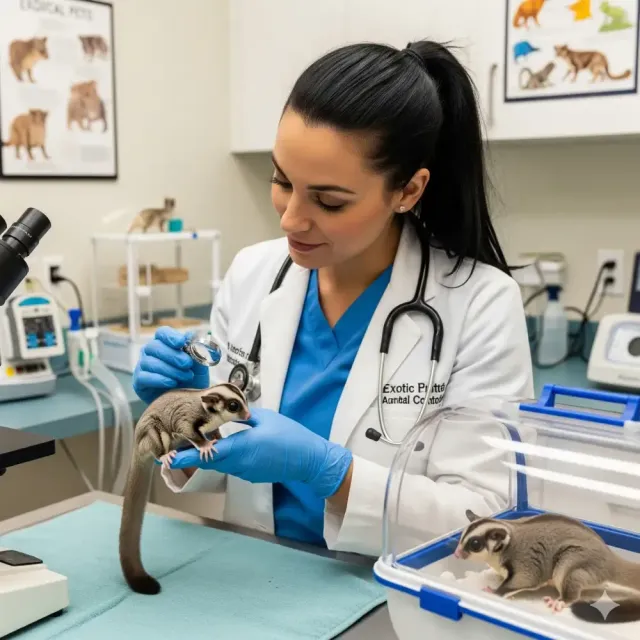
Exotic pets often hide pain and illness. You might not notice a problem until it is severe. That silence can cost your pet comfort and time. General veterinary care gives you a way to catch trouble early. It also gives you clear guidance on daily care, diet, and safe handling. If you share your home with a reptile, bird, rabbit, or small mammal, you carry a real duty. You must protect a life that depends on you. A trusted veterinarian in Alexandria, VA can help you do that. Routine checkups, simple tests, and honest talks about your pet’s needs can prevent crisis visits and hard choices. This blog explains three strong reasons to schedule regular care for your exotic pet. You will see how steady support can ease your worry, protect your pet’s health, and give you more calm years together.
1. Early care catches silent problems
Most exotic pets hide signs of illness. In the wild, a sick animal becomes easy prey. Your pet keeps that same instinct in your home. By the time you see clear signs, the disease can be far along.
During a general visit, the veterinarian checks three core things.
- Weight changes
- Behavior shifts
- Subtle breathing or skin changes
Those small changes help reveal infection, organ strain, or injuries. A simple weight check for a rabbit or guinea pig can show dental pain or gut trouble. A close look at a bird’s feathers and feet can show liver disease or poor nutrition. A careful exam of a reptile’s mouth and eyes can show low calcium or poor heat support.
The American Veterinary Medical Association explains that exotic pets often need species specific exams. You gain the most when you start those exams before your pet looks sick.
Here is a quick comparison of common exotic pets and how often they usually need a general check.
| Pet type | Example species | Suggested routine visit frequency | Common hidden problems |
|---|---|---|---|
| Birds | Parakeets, cockatiels | Once per year | Liver disease, breathing disease, nutrition gaps |
| Small mammals | Rabbits, guinea pigs, ferrets | Once per year. Older pets twice per year | Dental pain, gut slowdown, tumors |
| Reptiles | Bearded dragons, snakes, turtles | Once per year | Metabolic bone disease, parasites, infection |
| Amphibians | Frogs, salamanders | Once per year | Skin infection, water quality problems |
Routine visits give your pet a baseline. The veterinarian can track changes over time and act before a crisis.
2. Good guidance prevents daily mistakes
Most exotic pet problems come from the home setup. You care deeply. You still might receive poor advice from a store or online post. A general veterinary visit replaces guesswork with clear steps.
The veterinarian reviews three key parts of care.
- Food and water
- Temperature and light
- Housing and social needs
For example, many parrots need varied fresh foods, not only seed. Many reptiles need strong UVB light and exact heat ranges. Many rabbits need space to move and chew safe hay to keep teeth worn down. Without those pieces, your pet can suffer slow, steady harm that you cannot see at first.
The University of Florida Extension pet care guides show how water quality, light, and diet affect long term health. A veterinarian who sees your pet in person can tailor that guidance to your home and your budget.
During a visit, you can bring photos of your pet’s cage, tank, or play space. You can ask direct questions.
- Is this cage size enough for my bird or rabbit
- Is my reptile’s basking spot hot enough
- Is this brand of pellet or seed safe
You walk out with a short plan instead of confusion. That plan lowers stress for you and protects your pet from slow damage.
3. Ongoing care prepares you for emergencies
When an exotic pet crashes, the change can feel sudden and brutal. A bird may hide illness until it is on the cage floor. A rabbit may stop eating and face a life threatening gut shutdown within hours. In those moments, you do not want to search for a new clinic that has never seen your pet.
General care builds a working relationship before an emergency hits. The clinic already has your pet’s records. The staff knows your pet’s normal weight, habits, and housing. That knowledge speeds up decisions when every minute matters.
Routine visits also teach you what a true emergency looks like. You learn warning signs.
- Any change in eating or droppings
- Open mouth breathing in birds or reptiles
- Sudden swelling, bleeding, or seizures
You also learn safe steps for transport. Many exotic pets crash further if they get too hot or too cold on the way to the clinic. A veterinarian can show you how to use towels, carriers, and heat packs in a safe way.
Finally, ongoing care gives you space to talk about cost, family needs, and hard choices before a crisis. You can discuss what you feel ready to do or not do. You can ask about payment plans or pet insurance options that fit exotic pets. That honest talk protects you from shock and regret later.
Taking the next step for your exotic pet
You hold complete power over your exotic pet’s health. Your choices shape every day of its short life. Regular general veterinary care is not extra. It is basic protection against pain, fear, and early death.
You can start with three simple steps.
- Schedule a routine exam with a veterinarian who sees exotic pets
- Bring photos of your setup, a list of foods, and your questions
- Set a reminder for the next yearly or twice yearly visit
You do not need to know everything today. You only need to take that first clear step. With steady care and honest support, your exotic pet can move, eat, and rest with more comfort. You gain fewer shocks, fewer late night panics, and more steady years with a small life that trusts you.