Table of Contents
- Multifunctional Spaces
- Smart Home Integration
- Energy-Efficient Designs
- Indoor-Outdoor Living
- Accessory Dwelling Units (ADUs)
- Sustainable Materials
- Open Floor Plans
- Wellness Spaces
Expanding a home has become a thoughtful exercise in balancing function, design, and long-term value. Homeowners today often look beyond simply adding space, considering how new rooms will interact with existing layouts, natural light, and daily routines. Modern additions tend to prioritize flexibility, spaces that can adapt to changing needs, while also respecting zoning requirements, energy efficiency standards, and neighborhood context. Early planning, clear goals, and realistic budgets are key to ensuring an addition feels cohesive rather than an afterthought.
Industry professionals frequently note that successful projects rely on collaboration and informed decision-making throughout the process. For example, firms such as Snyder Construction often work alongside homeowners, designers, and inspectors to address structural considerations, material choices, and construction timelines in a practical way. By focusing on how an addition supports overall livability and future use, homeowners can make choices that align with both personal needs and broader housing trends, resulting in spaces that remain useful and relevant over time.
Multifunctional Spaces
Flexibility is a hallmark of modern home additions. Families often need rooms that serve multiple purposes over time, especially as remote work and hybrid lifestyles become the norm. Consider a guest bedroom that can also serve as a study, playroom, or home gym. This approach enables the space to evolve with your changing needs, maximizing both functionality and value without requiring major renovations later.
Smart Home Integration
Smart home features make life easier, safer, and more energy efficient. Automated lighting, climate controls, and security systems all enhance everyday convenience. Devices such as smart speakers and app-controlled thermostats allow homeowners to monitor and adjust their settings from anywhere. New construction is the perfect time to integrate these technologies since wiring and built-in device locations can be planned in advance. This future-proofs your home addition, meeting the technological expectations of modern living and increasing its long-term appeal.
Energy-Efficient Designs
Energy efficiency has become a staple of high-quality home additions. Investing in top-of-the-line insulation materials, such as spray foam or cellulose, delivers superior energy retention and supports lower utility costs. Upgrading to triple-pane windows, high-efficiency HVAC systems, and Energy Star–rated appliances further reduces the environmental impact while saving money over time. Features like these are also increasingly desirable in the real estate market, reflecting a commitment to sustainability that future buyers recognize and appreciate.
Indoor-Outdoor Living
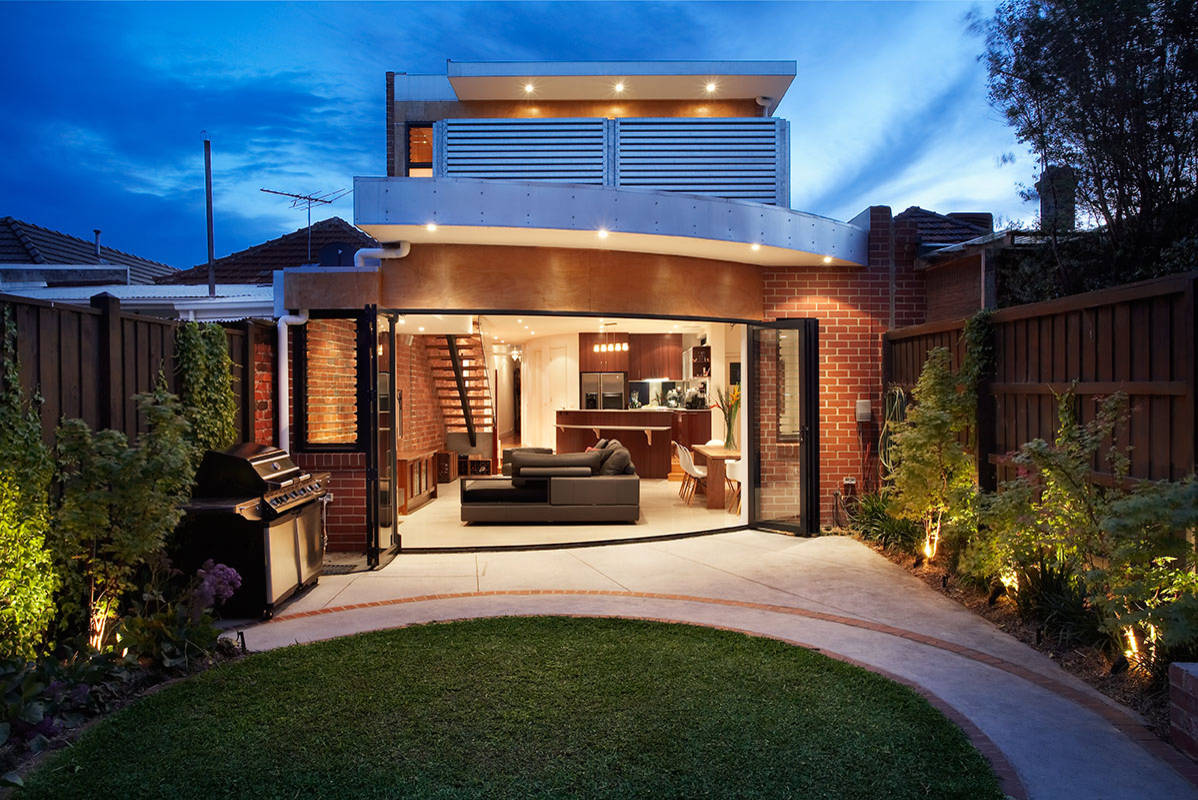
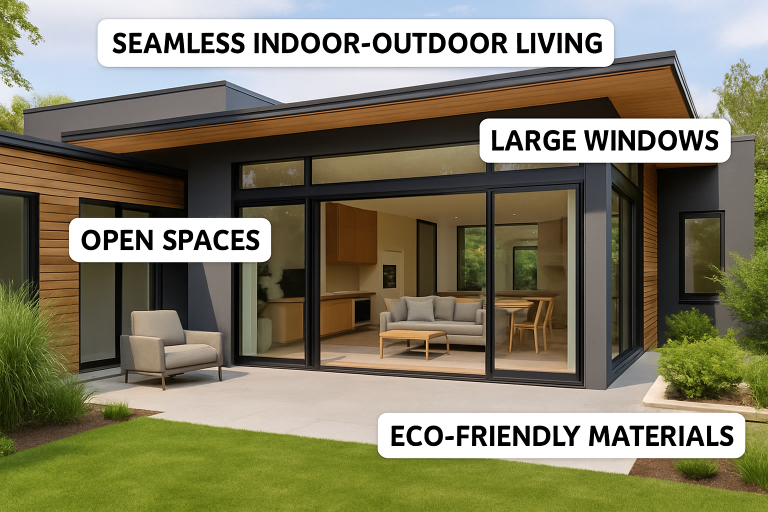
Connecting indoor and outdoor living spaces creates a seamless flow and brings natural light into your home. Large sliding or bi-fold doors can merge your kitchen or living room with a backyard patio or deck, perfect for entertaining or relaxing. Thoughtful landscaping and covered outdoor areas ensure year-round usability. For homeowners in moderate climates, this approach can effectively expand your usable square footage and make your home feel more spacious and connected to nature.
Accessory Dwelling Units (ADUs)
Accessory Dwelling Units (ADUs), often called “granny flats,” are an in-demand option for expanding living space without changing the primary home’s footprint. These small residences can serve as guest suites, rentals, or home offices. ADUs offer extra versatility and have become especially popular in urban areas, where finding affordable housing or extra space is increasingly difficult. Building an ADU can also offer the opportunity for rental income or multi-generational living, catering to a wide array of family scenarios.
Sustainable Materials
Eco-friendly building materials stand out for their durability and responsible sourcing. The use of recycled steel, reclaimed wood, and rapidly renewable resources like bamboo reduces the carbon footprint of your additions. Seeking products with verified certifications (such as FSC for wood) ensures that your materials help support healthy forestry and manufacturing practices, while often delivering a unique design aesthetic. Over time, sustainable materials can also lower maintenance and replacement costs.
Open Floor Plans
Open layouts remain a hallmark of contemporary home design. By merging living rooms, kitchens, and dining spaces, you can boost natural light and create a unified area ideal for gatherings or everyday family life. This arrangement can eliminate barriers and encourage togetherness, making your home addition feel more integrated with existing living spaces. It also offers creative flexibility in furnishing and decorating, supporting a dynamic home environment.
Wellness Spaces
Dedicated spaces for fitness and relaxation are increasingly prioritized. Incorporating home gyms, yoga studios, or meditation rooms into your addition fosters holistic health and well-being. Simple touches like large windows, natural materials, and calming colors can create a peaceful retreat for exercise, mindfulness, or unwinding after a long day. These additions not only improve the quality of life but also set your home apart in a competitive marketplace by catering to luxury and wellness trends.
Conclusion
Modern home additions are more than just extra space; they are a blueprint for a versatile, comfortable, and sustainable lifestyle. By factoring in multifunctional layouts, smart technologies, energy efficiency, and wellness, you can future-proof your investment and enjoy a home that grows and thrives along with you.