Maintaining comfort in your home is particularly essential during extreme weather conditions, and your HVAC system plays a crucial role in this regard. However, as your HVAC system ages, you may start to encounter issues that lead to increased energy bills and inconsistent indoor conditions. This article explores whether it’s more beneficial to replace an aging HVAC system or to invest in its professional maintenance to maintain optimal climate control.
Evaluating the Age and Condition of Your HVAC System
An important consideration when deciding whether to replace your HVAC system is its age and overall condition. Most experts in the field suggest prioritizing replacement if your system is over 15 years old, especially if it frequently experiences malfunctions. Although a newer system is an upfront investment, the expenses of constant repairs on an older system can outweigh this initial cost.
As your system ages, components wear out, reducing its efficiency and making breakdowns more frequent. If your HVAC system constantly interrupts your home’s comfort due to malfunctions, it may be time to consider a replacement. A new system not only enhances performance but also provides peace of mind, as you are less likely to deal with sudden failures.
To make an informed decision, evaluate the costs associated with ongoing repairs versus the benefits of a new, more efficient system. Older systems tend to consume more energy, which can significantly inflate your utility bills. A newer model typically incorporates technology that optimizes energy use, contributing to lower expenses in the long run.
Importance of Regular HVAC Maintenance
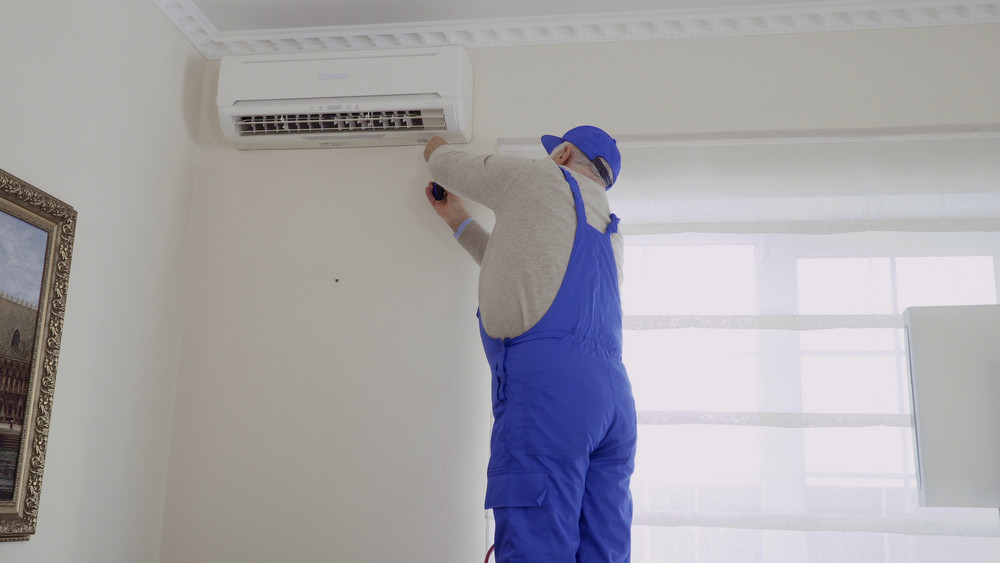
Regular maintenance is imperative for extending the lifespan and enhancing the performance of your HVAC system. HVAC professionals generally recommend servicing air conditioning units twice a year; ideally at the end of spring and at the end of fall. Such routine check-ups are crucial for identifying potential issues and ensuring your system operates at peak efficiency during summers and winters.
Maintenance tasks not only involve cleaning and inspecting the system but also ensuring that each component functions correctly within your home environment. By investing in bi-annual maintenance, you mitigate the risk of unexpected breakdowns and improve your system’s reliability. Moreover, these routine check-ups help in maintaining efficient energy use, thus contributing to reduced energy consumption.
Moreover, proper HVAC maintenance can save homeowners a significant amount on their energy bills, sometimes by up to 20%, according to Better Buildings. This not only leads to cost savings but also benefits the environment by reducing your carbon footprint. A well-maintained system is an investment in both your comfort and financial well-being.
Weighing Costs: Repair vs. Replacement
When facing the decision between repairing and replacing your HVAC system, it’s crucial to consider cost-effectiveness over the long term. While repairs can seem less costly upfront, they may not be the most economical choice if they become frequent. Investing in a new, energy-efficient system could be more beneficial in the long run due to lower operational costs.
The potential energy savings from a well-maintained or new HVAC system can often offset the initial purchase costs. As energy efficiency standards improve, newer models significantly reduce energy usage, lowering monthly utility bills in the home. Thus, evaluating your current system’s efficiency is essential in deciding whether to repair or replace.
Combine these factors with your own comfort levels and financial situation to decide the best course of action. A home with an efficiently running HVAC system ensures comfort and long-term savings. Replacement may seem daunting financially, but it could be cost-saving in the years to come.
Whether you choose to maintain or replace your HVAC system largely depends on its age, condition, and your financial capacity. Through regular maintenance, you can ensure its efficiency and prolong its life, cutting down costs on energy bills. However, when an HVAC system becomes a frequent nuisance, investing in a new, efficient system may be the most practical solution for your comfort and economic sustainability.