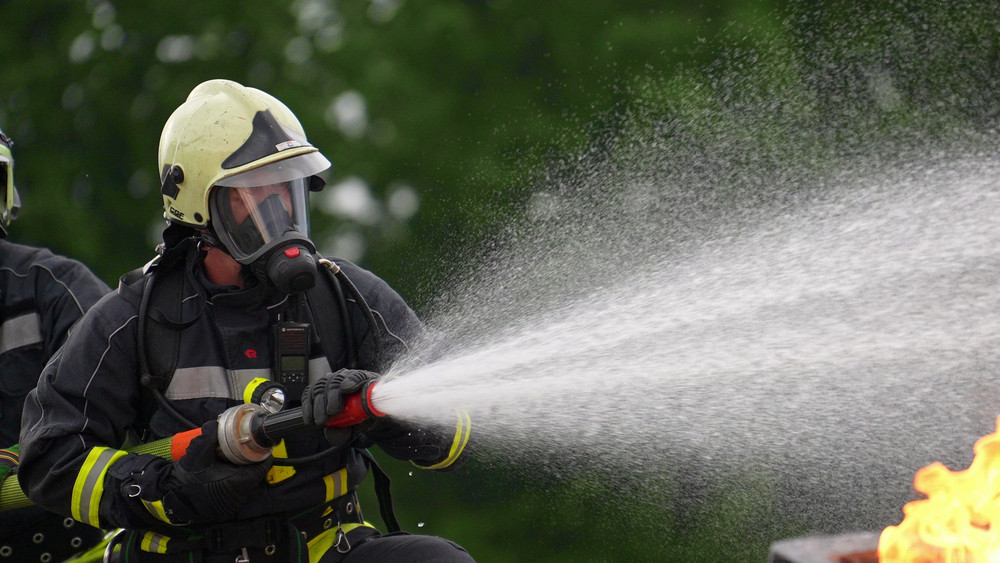
Building fires can have devastating effects not just on property but on the safety of individuals too. Planning for fire-rated construction is essential for creating spaces that can withstand fire risks and ensure the safety of occupants. By integrating fire safety measures from the very beginning, businesses can significantly enhance building safety and compliance with regulations.
Integrating Fire Ratings Into Early Design Decisions
The choice of materials and design approaches plays a crucial role in fire safety. Buildings are rated from Class 1 through Class 6, with the lowest class representing wood frame construction that offers minimal fire resistance. Higher-rated constructions are built using materials such as reinforced concrete and protected steel, which significantly enhance their fire resistance.
Making early design decisions with fire ratings in mind helps architects and contractors establish a solid framework for safety. Opting for higher-class fire-rated materials can not only improve safety but may also lead to reduced insurance premiums over time. Furthermore, incorporating fire-resistant designs can also be a selling point for businesses looking to showcase their commitment to safety.
As regulations become stricter, integrating fire ratings into the planning stages can prevent costly modifications later on. By collaborating closely with engineers and officials during the design process, businesses can ensure that their projects comply with all local codes. This proactive approach ultimately supports the building’s longevity and effectiveness in minimizing fire risks.
Coordinating Contractors to Maintain Fire Rating Integrity
The success of a fire-rated construction project largely depends on effective communication and coordination among various contractors. In particular, specialized trades, such as electrical contractors, play a vital role in maintaining the fire rating integrity throughout the building process. It is noteworthy that electrical failures or malfunctions account for 51,000 fires each year, highlighting the importance of precise work in this area.
Regular training sessions for contractors can ensure that everyone is aware of fire safety protocols and understands the significance of maintaining fire-resistant materials. Establishing a clear chain of communication allows for swift identification and resolution of potential issues that could compromise fire ratings. Businesses that prioritize ongoing education and awareness among contractors will see tangible benefits in the form of enhanced safety measures.
Moreover, using verified products and adhering to fire safety standards during installation can prevent issues from arising in the first place. This meticulous approach increases the chances that the fire-rated features will perform as intended, protecting the building and its occupants. In essence, consistent oversight and adherence to safety practices cultivate a culture of accountability that elevates overall building safety.
Maintaining Fire-Rated Systems Throughout the Building’s Lifespan
The commitment to fire safety doesn’t end once construction is complete; it requires ongoing maintenance and monitoring. Regular inspections of fire-rated systems ensure that they continue to provide the required level of protection throughout the lifespan of a building. According to Safety Culture, the NFPA advises recording monthly fire extinguisher inspections for at least 12 months to keep fire safety at the forefront.
In addition to extinguisher inspections, routine evaluations of other fire-rated installations, such as walls and doors, are critical in maintaining their effectiveness. Business owners should foster a culture of routine checks, training, and education that promotes fire safety awareness among employees. This integrative approach encourages everyone to be vigilant and proactive in identifying any sign of wear or compromise in the fire rating of the building.
Creating a comprehensive maintenance schedule not only reflects positively on a company’s safety standards but can enhance the overall operational efficiency of the building. Functional fire systems can also lead to greater employee confidence and morale, knowing they share a secure environment. By focusing on sustained safety measures throughout the life of the building, businesses can ensure the long-term integrity and safety of their spaces.
In conclusion, integrating fire-rated construction into the early design phase, effectively coordinating with contractors, and continuously maintaining fire-rated systems are essential steps in building safety. With a solid understanding that safety measures directly contribute to the longevity of a building, business owners must prioritize these aspects. Investing in fire-rated construction strategies not only protects lives but can also enhance the business’s reputation and reliability in the eyes of clients and stakeholders.