Key Takeaways
- Warm-toned materials like beige and soft gold quartz are gaining popularity.
- Bold veining in natural stones adds dramatic flair to kitchens.
- Eco-friendly materials remain a top choice for homeowners wanting sustainability.
- Textured finishes such as leathered and honed surfaces offer tactile appeal.
- Smart technology is increasingly integrated to enhance functionality and convenience.
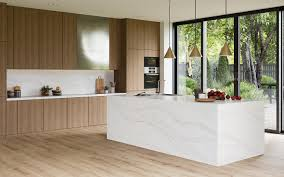
Modern homes are increasingly emphasizing both functionality and aesthetics, and the choice of countertops plays a significant role in achieving this balance. Homeowners are exploring materials, textures, and finishes that not only enhance durability but also contribute to a cohesive interior design. From natural stones to engineered surfaces, the focus is on creating countertops that are practical for everyday use while reflecting contemporary style trends. Subtle patterns, minimalist designs, and innovative textures are gaining popularity, offering a fresh approach to spaces like kitchens and bathrooms.
Amid these evolving trends, companies such as Lion Stoneworks provide a range of materials and design options that align with modern sensibilities. Their selections demonstrate how homeowners can combine resilience with visual appeal, whether opting for sleek, polished surfaces or textured, tactile finishes. Integrating these materials thoughtfully allows for spaces that are not only functional but also visually engaging, highlighting the growing importance of countertop choices in home design.
Warm-Toned Quartz Countertops
Quartz countertops remain highly sought after for their practical benefits and stylish aesthetics. The current trend leans toward warmer color palettes, highlighted by neutral tones like beige, cream, and soft gold. These hues foster a sense of comfort and understated elegance in kitchens, complementing both traditional wood cabinetry and more contemporary dark accents. Unlike cooler, starker white finishes that were previously in vogue, the new warm-toned varieties evoke a softer, cozier ambiance. By opting for warm-toned quartz, homeowners can create a welcoming and timeless atmosphere that remains inviting for years. Quartz also scores high in durability, stain resistance, and ease of maintenance, making it an even more compelling choice for busy households and design-forward spaces alike.
Natural Stone with Bold Veining
Stones such as marble, quartzite, and granite are no longer just about subtle patterns. In 2026, dramatic, high-contrast veining is being celebrated as a way to turn countertops into design centerpieces. These unique, naturally occurring patterns offer a bespoke element that can elevate the visual appeal of any kitchen. Each slab tells its own story, allowing homeowners to infuse their living spaces with personality and luxury. Bold veining effortlessly draws the eye, transforming utilitarian surfaces into works of art. Even when paired with simple cabinetry or minimalist backsplashes, these stone slabs introduce movement and character, ensuring that every kitchen feels truly one-of-a-kind.
Eco-Friendly and Recycled Materials
Today’s homeowners are increasingly aware of their environmental impact, and many are actively seeking out green alternatives in every room of the house. The movement toward sustainable design has fueled demand for countertops made from recycled glass, composite resins, and bamboo fibers. These eco-friendly surfaces do not compromise style or longevity; instead, they offer a diverse range of colors and unique textures. Choosing surfaces with sustainable credentials also means supporting manufacturing processes and supply chains that value ethical practices and reduced carbon emissions. The use of recycled materials is a growing trend that not only helps to reduce environmental footprint but also results in distinctive countertop designs that stand out for their originality. As manufacturers improve their methods, the performance and aesthetics of these eco-friendly products continue to rival those of traditional, non-recycled materials, making smart choices easier than ever for conscientious homeowners.
Textured and Leathered Finishes
Alongside polished options, matte and leathered countertop finishes are gaining popularity for their aesthetic appeal and practical benefits. These finishes offer a distinctive tactile experience, minimize the appearance of fingerprints and water spots, and provide subtle texture that enhances depth and character. Unlike high-gloss surfaces that tend to show every mark or smudge, textured finishes are forgiving and easy to maintain, which is ideal for high-traffic kitchens. Leathered finishes, in particular, impart a soft luster and slightly rugged feel that is well-suited to busy kitchens where practicality is paramount. This attention to both functionality and aesthetics is driving more people to consider alternatives to the traditional high-gloss countertop. Textured surfaces not only feel more interesting to the touch but also subtly diffuse light, creating a softer, more inviting atmosphere throughout the kitchen.
Integration with Smart Home Technology
Modern kitchens are becoming smarter, with countertops playing a pivotal role in this transformation. Innovations such as built-in wireless charging, touch-activated LED lighting, and seamlessly integrated appliances make kitchen use more efficient and enjoyable. These advancements not only boost convenience but also help kitchens keep pace with broader smart home trends such as voice-controlled devices and automation systems. Smart countertops can include features such as embedded induction burners or pop-up power outlets, blending what was once considered separate technologies directly into the kitchen workspace.
Thin Profiles and Sleek Designs
The push toward minimalism extends to countertops, where sleek, thin profiles are a popular design choice. Modern fabrication technology enables the use of thinner materials that remain strong and durable, allowing homeowners to achieve a sophisticated “barely there” look without sacrificing practicality. These streamlined surfaces create a sense of openness while delivering a sophisticated, modern aesthetic. The thin countertop style is particularly effective for smaller urban kitchens, where maximizing a sense of space is key, but also works well in large, contemporary open-plan homes. Clean, simple lines create a harmonious visual flow and reinforce the movement toward clutter-free kitchen spaces, making these profiles a favorite of interior designers and architects alike. This trend is a direct response to the growing desire for clean, uncluttered spaces that serve as a relaxing retreat from the hectic pace of modern life.
Mixing Materials for Visual Interest
Combining various countertop materials is a design trend that encourages creativity and personalization. Homeowners are mixing surfaces such as natural wood butcher block with engineered quartz to delineate different kitchen zones, add contrast, and bring dimension to the room. This approach not only offers practical advantages for different tasks (such as chopping or prepping versus serving) but also adds unique visual interest in the heart of the home. Using a mix of materials can highlight particular features, such as a statement island or a custom breakfast bar, while allowing experimentation with color and texture. This trend further empowers homeowners to bring their own sensibilities into the kitchen design, resulting in a truly custom space that feels fresh and dynamic rather than formulaic or predictable.
Conclusion
Contemporary trends in countertop design reflect a thoughtful balance between form, function, and environmentally responsible choices. Whether it is the warm hues of quartz, the striking veining of marble, innovative eco-materials, tactile finishes, smart tech integration, or the fusion of mixed materials, today’s countertops are a testament to the evolving standards of modern homes. By embracing these trends, homeowners can create kitchen spaces that feel both up-to-date and enduringly inviting. As technology advances and aesthetic preferences broaden, countertops are taking on an increasingly central role in shaping the feel and functionality of the most important room in the home.