At-home fitness has evolved far beyond treadmills and dumbbells, with more people discovering that swimming offers one of the most effective full-body, low-impact workouts available. The challenge, of course, has always been space—few homeowners have room for a lap pool, and even those with smaller pools can’t swim continuous laps. Portable swim jets, also known as swimming pool water jets, solve this problem elegantly by generating a powerful current that lets you swim in place, transforming virtually any pool into an endless swimming experience. However, navigating today’s market to find the right unit can feel overwhelming. Questions about safety features like GFCI auto shut-off, power requirements, current strength, and true portability all demand answers before you invest. This guide walks fitness enthusiasts through every critical consideration—from understanding core technology and safety standards to matching specific models with your workout goals—so you can confidently choose a portable swim jet that elevates your fitness routine.
What are Portable Swim Jets and Why Fitness Enthusiasts Need Them
A portable swim jet is a compact, self-contained unit that mounts to the edge of a pool or sits on the deck, propelling a powerful stream of water that creates a continuous current strong enough to swim against. Unlike built-in counter-current systems that require permanent installation and plumbing modifications, these units can be set up in minutes and moved between locations. The core mechanics are straightforward: an electric motor drives a propeller or impeller system that pushes water at adjustable speeds, effectively turning any pool—even one as small as 10 feet long—into an endless swimming lane.
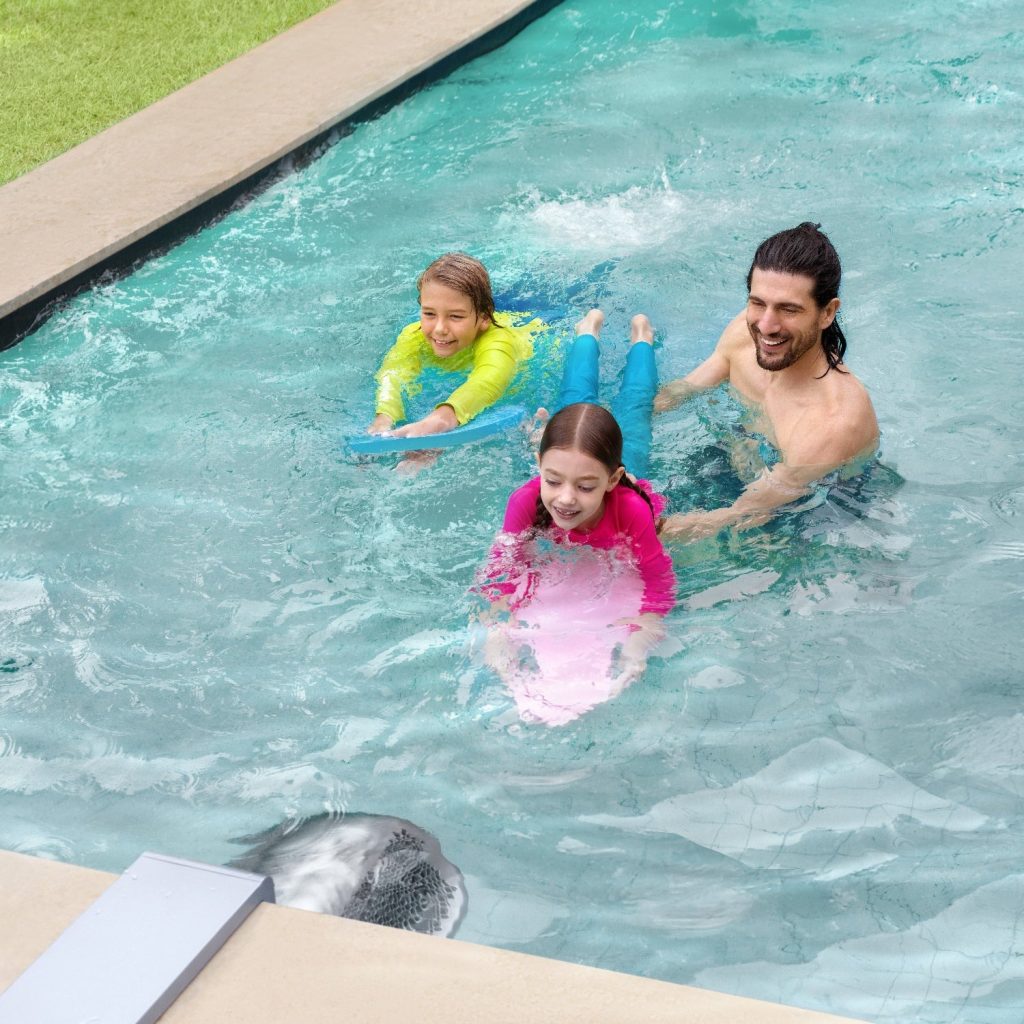
For fitness enthusiasts, the advantages are compelling. Swimming against a current delivers exceptional cardiovascular conditioning without the joint stress of running or cycling, making it ideal for athletes managing injuries or anyone seeking sustainable long-term exercise. Portable swim jets enable structured training sessions including interval work, steady-state endurance swims, and sprint drills, all within a confined space. They eliminate the commute to a public pool, the constraints of lane schedules, and recurring membership costs. Whether your goal is building aerobic capacity, cross-training for another sport, or simply staying active year-round, a portable swim jet provides the versatility and convenience that modern fitness routines demand.
Key Features to Look for in Your Portable Swim Jet
When evaluating portable swim jets, adjustable current speed stands as perhaps the most fitness-critical specification. A unit with multiple resistance levels allows you to warm up at a gentle pace, push through high-intensity intervals, and cool down—all in a single session. Look for models offering at least five speed settings, with the upper range powerful enough to challenge strong swimmers maintaining a pace of 1:30 per 100 meters or faster. Without adequate adjustability, you’ll quickly outgrow the unit or find it too intense for recovery days.
Construction quality directly determines how long your investment lasts. Marine-grade stainless steel hardware, UV-resistant housings, and sealed motor compartments protect against chlorine corrosion and sun damage. User controls should be intuitive—ideally a waterproof remote or poolside panel that lets you adjust speed mid-swim without breaking your stroke. Weight matters too; a unit under 50 pounds that one person can carry and clamp into position genuinely qualifies as portable, while heavier systems may require permanent placement despite being marketed otherwise.
Safety First: Understanding GFCI and Low Voltage Systems
Any electrical device operating near water demands rigorous safety engineering, and this is where GFCI auto shut-off becomes non-negotiable. A Ground Fault Circuit Interrupter continuously monitors the electrical current flowing through a circuit; if it detects even a tiny imbalance—as small as 4 to 5 milliamps, indicating current is leaking through water or a person—it cuts power within milliseconds. For swim jets, this means that a wiring fault, a damaged cord, or any unexpected path to ground triggers an immediate shutdown before harm occurs. Never consider a unit that lacks integrated GFCI protection, regardless of how appealing its other features may be.
Beyond GFCI, a low voltage swim jet operating at 24V or 48V rather than standard 110V or 220V household current adds another substantial safety layer. Lower voltage systems dramatically reduce electrocution risk because the energy level, even in a fault scenario, falls below the threshold that causes cardiac arrest. These systems also simplify installation since many don’t require a licensed electrician for setup, and they tend to consume less energy during operation. For fitness enthusiasts who swim daily—often alone—this combination of GFCI protection and low voltage operation provides genuine peace of mind that lets you focus entirely on your workout.
Comparing Popular Portable Swim Jet Models
The portable swim jet market has expanded considerably, giving fitness-focused buyers several legitimate options to weigh. Understanding how these models differ across critical dimensions—power output, safety integration, true portability, and current quality—helps you avoid buyer’s remorse and find equipment that genuinely supports long-term training.
The iGarden Swim Jet has emerged as a notable contender, particularly among home fitness swimmers who prioritize safety and ease of use. This unit operates on a low voltage system, which means reduced electrocution risk and straightforward installation without requiring a licensed electrician in most jurisdictions. It features integrated GFCI auto shut-off protection, adjustable speed settings suitable for everything from gentle rehabilitation swims to moderate endurance work, and a compact form factor that one person can install or remove without assistance. Its current is typically smooth and wide enough to swim freestyle without constantly drifting off-center. On the potential downside, swimmers with competitive backgrounds may find the maximum flow rate insufficient for true sprint-level resistance, and the unit works best in pools with a solid edge or deck for secure mounting.
When comparing alternatives, consider these differentiating factors across models. Some competing units offer higher maximum horsepower, generating currents that challenge even elite swimmers, but they often run on standard household voltage, which introduces greater electrical risk and typically demands professional installation. Others match the iGarden’s portability but sacrifice current width, producing a narrow jet that feels more like swimming through a firehose than against a natural current—an important distinction for stroke quality. Weight is another practical separator; units genuinely under 45 pounds offer real portability, while those approaching 80 pounds become semi-permanent fixtures regardless of marketing claims. Finally, evaluate whether GFCI protection is built into the unit itself or relies on your home’s existing outlet protection, as integrated systems provide a more reliable safety guarantee. The ideal model balances sufficient power for your fitness level, genuine portability for your living situation, and uncompromising safety features that protect you during every session.
Matching a Swim Jet to Your Specific Fitness Goals
Before browsing models, honest self-assessment saves time and money. Start by asking what you actually need from your swim sessions. If endurance training drives your interest—building aerobic base for triathlons or maintaining cardiovascular health—you need a unit with a smooth, wide current at moderate intensity that you can sustain for 30 to 60 minutes without fatigue-induced form breakdown. Conversely, if high-intensity interval training defines your approach, prioritize maximum current strength and rapid speed adjustment so you can alternate between all-out sprints and active recovery without pausing to fiddle with controls.
Rehabilitation and general fitness users have different priorities entirely. A gentle lower speed range matters more than peak output, and current width becomes critical because uneven flow forces compensatory movements that can aggravate injuries. For progressive training—where you plan to improve over months or years—choose a portable swim jet with enough headroom in its resistance range that you won’t plateau within six months. Space also factors into your decision; measure your pool’s dimensions and deck configuration to confirm a unit fits without obstructing other uses. Someone with a small above-ground pool needs a lightweight, clamp-mounted system, while an in-ground pool owner might accommodate a slightly larger unit with broader current output. Aligning these personal variables with the specifications covered earlier ensures you invest in equipment that grows with your fitness rather than limiting it.
Practical Installation, Setup, and Maintenance Tips
Getting your portable swim jet operational starts with choosing the right mounting location. Position the unit at the end of your pool where you have the longest unobstructed swimming distance—even though you’re swimming in place, the current disperses better when it isn’t bouncing off a nearby wall. Ensure the pool edge or deck where you’ll mount the unit is structurally sound and level; most clamp-style systems need a flat surface at least four inches wide. Before powering on, confirm your electrical source includes GFCI protection—either integrated into the unit or provided by a GFCI-rated outdoor outlet. If you’re using an extension cord, it must be outdoor-rated, properly grounded, and as short as possible to prevent voltage drop that can strain the motor.
During your first session, start at the lowest speed setting to find your optimal swimming position relative to the current. Most swimmers perform best when positioned three to five feet from the jet output, where the flow is strong but evenly distributed. Adjust your distance and speed incrementally until the resistance matches your intended workout intensity. For maintenance, rinse the unit with fresh water after every use to flush chlorine or salt residue from the propeller housing and intake grate. Inspect the power cord monthly for nicks or wear, clean any debris from the intake filter weekly, and store the unit indoors or under a weatherproof cover during off-season months. These simple habits prevent corrosion, extend motor life, and ensure your swim jet performs reliably session after session.
Making Your Final Portable Swim Jet Selection
Choosing the right portable swim jet comes down to a clear-eyed assessment of your fitness goals, an unwavering commitment to safety, and practical consideration of your space and lifestyle. Prioritize units with integrated GFCI auto shut-off protection—this single feature is non-negotiable for any electrical equipment operating near water. Low voltage systems add a critical second layer of security while simplifying installation, making daily solo training sessions genuinely worry-free. From there, match current strength and adjustability to your workout ambitions, whether that means steady endurance building, high-intensity intervals, or gentle rehabilitation work. Models like the iGarden Swim Jet demonstrate that you don’t need to sacrifice safety or portability to get a meaningful training stimulus, though competitive swimmers should verify that maximum resistance meets their demands. True portability—lightweight construction, tool-free mounting, and single-person setup—ensures your swim jet actually gets used rather than collecting dust. Armed with the framework in this guide, you can cut through marketing noise, compare specifications with confidence, and invest in a portable swim jet that transforms your pool into a consistent, effective training environment for years to come. Start by defining what success looks like in your fitness routine, then let that vision drive your selection.