Table of Contents
- Importance of Brake Maintenance
- Common Signs of Brake Wear
- Recommended Brake Maintenance Schedule
- Benefits of Regular Brake Inspections
- Impact of Driving Habits on Brake Health
- Seasonal Considerations for Brake Maintenance
- Choosing a Qualified Mechanic for Brake Service
- Final Thoughts
Every time you get behind the wheel, your car’s braking system plays a crucial role in keeping you and your passengers safe. Keeping brakes in top shape provides peace of mind and helps avoid accidents and unexpected repair costs. When your vehicle receives professional brake service, you not only extend the lifespan of key components but also gain confidence that your vehicle can stop as intended in every situation.
Ignoring brake maintenance risks your safety and the safety of others on the road. Brake systems require timely inspections, component replacements, and attention to wear patterns to maintain reliability. A commitment to preventative care dramatically reduces the risk of costly, dangerous failures.
Importance of Brake Maintenance
Brakes are the primary safety feature of every vehicle. Well-maintained brakes ensure rapid, controlled stops, reducing the risk of rear-end collisions and giving a driver better control in critical moments. When your brakes function as they should, you are equipped to respond promptly to traffic changes, unpredictable road hazards, or emergencies. Delaying or neglecting brake maintenance can lead to brake fade, longer stopping distances, and system failures at critical times.
According to the National Highway Traffic Safety Administration (NHTSA), faulty brakes are a significant contributor to vehicle accidents each year. Regular inspections, adjustments, and component replacements are essential for reducing this risk and supporting overall road safety.
Common Signs of Brake Wear
Understanding the warning signs of brake wear can help you address brake problems before they become severe. Look for the following indicators that your brakes may need attention:
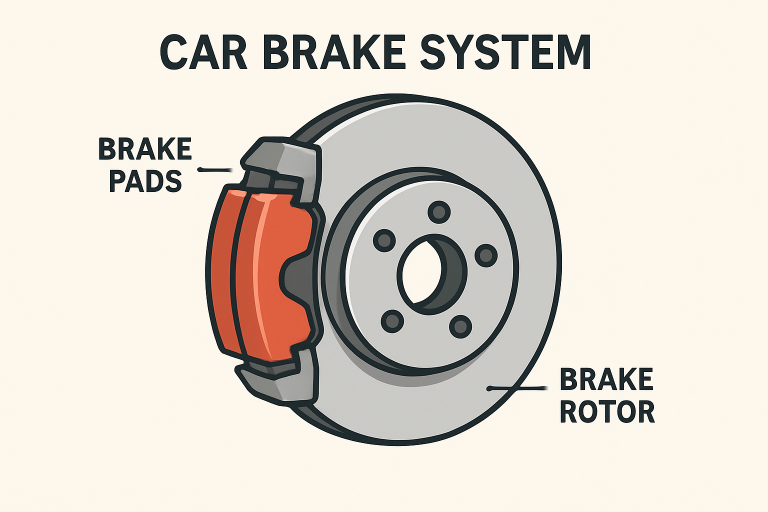
- Squealing or grinding noises: These often indicate that brake pads have worn thin, causing contact between the metal backing and the rotor.
- Vibrations during braking: If the brake pedal or steering wheel shakes, warped rotors may be the cause.
- Soft or spongy brake pedal: This could signal air in the brake lines or indicate a possible brake fluid leak, both of which require prompt service.
Reacting to these early signs of trouble prevents further damage and helps avoid more expensive or dangerous failures down the road.
Recommended Brake Maintenance Schedule
Experts recommend having your brakes inspected at least once a year or every 12,000 miles, whichever comes first. This schedule works for most drivers, but your vehicle and driving environment can affect how often checks should occur. If you drive in heavy commuter traffic, mountainous regions, or frequently carry heavy loads, your brakes will likely require more frequent servicing. Routine inspections ensure that issues such as worn pads, corroded components, and leaking fluid are identified before they lead to costly breakdowns.
Benefits of Regular Brake Inspections
- Enhanced safety: Well-maintained brakes ensure short, predictable stopping distances, reducing accident risk in all traffic conditions.
- Cost savings: Replacing worn pads or fluid is far less expensive than rebuilding or replacing entire brake systems after a failure. Catching minor issues prevents major repairs later.
- Longer component lifespan: By maintaining your brake system and replacing small parts as needed, you can extend the life of more expensive parts such as rotors and calipers.
Regular brake checks also optimize braking performance and can result in lower insurance costs due to a better safety record.
Impact of Driving Habits on Brake Health
Your driving habits directly affect how quickly your brakes wear out. Aggressive braking, frequent abrupt stops, or riding the brakes on downhill grades will all decrease brake lifespan. On the other hand, practicing smoother driving techniques, such as anticipating stops and allowing extra space from other vehicles, will help preserve your brake pads and rotors longer. Becoming aware of the impact of your habits can lead to safer, more mindful driving.
Seasonal Considerations for Brake Maintenance
Seasonal changes can impact your vehicle’s braking system in several ways. In winter, ice, snow, and colder temperatures create conditions where optimal brake performance is even more critical. The American Automobile Association (AAA) recommends that drivers have their brakes inspected before winter. Extreme summer heat can also affect brake fluid, increasing wear rates, making a check before or after each season’s driving a smart move.
Choosing a Qualified Mechanic for Brake Service
Choosing a certified, experienced mechanic is crucial for brake maintenance. Look for shops with technicians certified by the National Institute for Automotive Service Excellence (ASE) or those with consistently positive customer reviews. Qualified professionals use the right parts, qualify their work, and stay current with the latest advancements in brake technology. They can also spot less obvious issues during a comprehensive inspection, helping you keep your vehicle safe and reliable for years to come.
Final Thoughts
Regular brake maintenance is at the core of safe driving. By staying alert for early signs of wear, following a recommended maintenance schedule, and adapting your driving style to reduce unnecessary strain on your brakes, you can keep your vehicle’s most important safety feature functioning reliably. Proactive care not only protects you and everyone sharing the road with you, but also saves time and money by preventing costly repairs later. Make brake inspections a routine part of your vehicle care and choose your service provider carefully for best results.