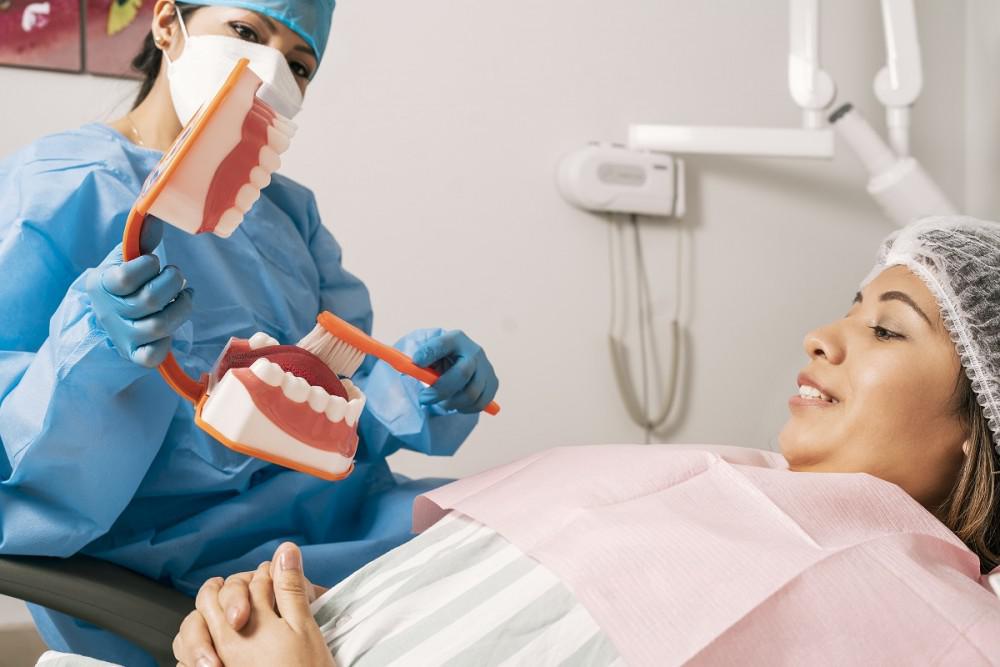
Your mouth tells a clear story about your health. When you care for your teeth and gums early, you lower the risk of pain, infection, and costly emergencies. You also protect your heart, lungs, blood sugar, and even your mood. Routine cleanings, exams, and simple home care stop harmful bacteria from spreading through your body. As a result, your immune system works with less strain. Your breath stays fresh. Your smile feels stronger. Many people wait until something hurts before seeing a dentist. By then, damage is deeper and treatment is harder. Instead, you can use preventive dentistry as a steady shield. Regular visits with a trusted Dentist in Las Vegas NV help you spot small problems before they grow. You gain control over your health, one checkup at a time. This blog explains how simple steps in the dental chair support your body from head to toe.
How your mouth connects to the rest of your body
Gums and teeth are part of your body’s defense. When they stay clean and firm, fewer germs enter your blood. When they stay inflamed or infected, those germs and toxins move through your whole body.
Research from the National Institute of Dental and Craniofacial Research shows clear links between gum disease and other chronic problems. These include heart disease, stroke, diabetes, and breathing problems.
Three key connections matter most.
- Gum disease raises inflammation in your blood
- Bacteria from your mouth enter your lungs and heart
- Pain and missing teeth change how you eat and speak
You can cut these risks with simple preventive steps. Clean teeth and calm gums reduce strain on your heart, lungs, and immune system.
Everyday habits that protect your health
Preventive dentistry starts at home. You do the daily work. Your dental team gives support and checks your progress.
Three daily habits matter most.
- Brush twice each day with fluoride toothpaste
- Clean between teeth once each day with floss or a small brush
- Limit sugary drinks and snacks to mealtimes
Next, add three simple steps each year.
- Get a professional cleaning
- Have a full exam with X-rays when needed
- Ask for sealants or fluoride if you have a high risk of cavities
These habits seem small. Yet they prevent deep infections, tooth loss, and bone loss. They also support steady energy and clear speech, which affect school, work, and family life.
Preventive visits versus emergency visits
Many people feel nervous about dental visits. That fear often leads to delay. Delay often ends with a late-night emergency and severe pain. Preventive care changes that story.
| Type of visit | When it happens | Common reasons | Impact on health |
|---|---|---|---|
| Preventive visit | Every 6 to 12 months | Cleaning, exam, X-rays, sealants, fluoride | Finds small issues early. Lowers risk of pain and infection. |
| Emergency visit | After pain or swelling starts | Severe cavity, broken tooth, abscess, trauma | Higher stress. Greater risk of tooth loss and costly treatment. |
Routine care is more effective after treatment. It keeps new decay from forming and protects any fillings or crowns you already have.
Links between gum health and chronic disease
Inflamed gums bleed easily. That blood carries mouth bacteria through your body. Over time, this steady flow can harm blood vessels and organs.
- Heart disease. People with gum disease have higher rates of heart attack and stroke.
- Diabetes. High blood sugar makes gum infection worse. Gum infection then makes blood sugar harder to control.
- Breathing disease. Mouth bacteria can move into the lungs and trigger flare ups.
When you treat gum disease early, bleeding and swelling drop. As a result, your blood sugar may improve. Your heart and lungs face fewer attacks from mouth germs. You feel steadier energy and less fatigue.
Benefits for children, adults, and older adults
Every age group gains something different from preventive dentistry.
- Children. Sealants, fluoride, and early cleanings cut the risk of cavities. That keeps kids in school and out of pain.
- Adults. Regular exams catch cracks, grinding, and gum disease before they affect work and sleep.
- Older adults. Cleanings and denture checks protect against root decay, infections, and trouble chewing.
Good oral health also supports clear speech and social comfort. When you feel able to smile, talk, and eat without pain, you can join family events and work meetings with less fear and more calm.
How to build a simple preventive plan
You can start with three steps.
- Schedule a checkup and cleaning within the next few months.
- Ask for a clear home care plan that fits your routine.
- Set reminders on your phone or calendar so you stay on track.
During each visit, ask direct questions.
- Are my gums healthy
- Where are my highest risk spots
- What is the one change that would help me most this year
Your dental team can adjust your plan as your health changes. That includes pregnancy, new medicines, or new diagnoses such as diabetes or heart disease.
Taking the next step toward better health
Preventive dentistry is not about a perfect smile. It is about staying out of pain, keeping your body strong, and protecting your future. Small daily choices and steady checkups protect your heart, lungs, and blood sugar. They also protect your confidence and your ability to enjoy simple moments such as sharing a meal or reading to a child.
You can start today. Brush. Clean between your teeth. Drink water. Then schedule your next preventive visit. Your whole body will benefit from that one decision.