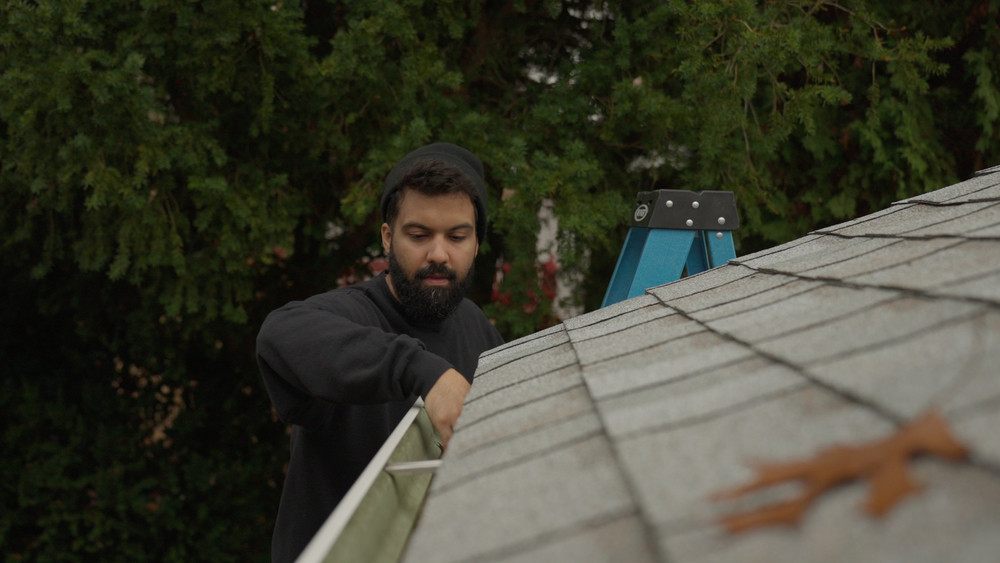
Maintaining a home involves a never-ending list of chores, from mowing the lawn to painting the shutters. Amidst these aesthetic upgrades, the humble gutter system often remains overlooked until a heavy storm arrives. While they might seem like simple metal troughs, gutters are actually the first line of defense for your home’s structural integrity. By capturing rainwater and channeling it away from the base of your house, they prevent a cascade of expensive issues that can compromise where you live.
Understanding how water interacts with your property is essential for long-term preservation. When rain falls on a roof without a functional drainage system, it pours directly off the eaves and pools around the perimeter of the house. This concentrated moisture saturates the soil, creating hydrostatic pressure that pushes against the concrete. Over time, this pressure leads to cracks, shifts, and settling that can cost tens of thousands of dollars to repair.
Preventing Invisible Damage Below the Surface
The relationship between rooftop drainage and the area beneath your feet is more direct than most homeowners realize. Without a way to direct water toward a safe discharge point, the soil around the foundation becomes a muddy mess that lacks the stability to support the weight of the structure. This leads to the most common fear for any property owner: a damp, failing lower level. According to House Cashin, 98% of basements experience some level of water damage, a staggering figure that highlights how vulnerable the lowest point of a home truly is to moisture.
Consistent drainage helps maintain the moisture balance in the ground, preventing the soil from expanding and contracting violently with the weather. When gutters work correctly, they keep the “clay bowl” effect at bay, ensuring that the basement stays dry and the foundation remains level. This protection also thwarts the growth of mold and mildew, which can thrive in the dark, damp spaces created by poor exterior water management. By keeping the perimeter dry, you are essentially sealing the underside of your home against the elements.
Choosing the Right System for Your Climate
Not all gutter systems are created equal, and selecting the right specifications for your specific geographic location is a vital part of the planning process. A system that is too small for a large roof or a high-rainfall area will simply overflow, rendering the gutters useless during the very storms when they are needed most. According to This Old House, residential gutters typically come in 5-inch and 6-inch widths, with the right size depending on factors like roof square footage and local rainfall. Taking the time to calculate the pitch of your roof and the average intensity of local storms ensures your foundation remains protected even during a summer downpour.
Beyond the width of the troughs, homeowners must also consider the placement and size of the downspouts. These vertical components are responsible for the heavy lifting, carrying the gathered water down to the ground. If the downspouts are too small or become easily clogged with debris, the entire system backs up, causing water to spill over the back of the gutter and rot the wooden fascia boards. A properly sized and well-maintained system acts as a high-capacity highway for rainwater, moving it swiftly and safely to a designated drainage area or rain barrel.
Investing in Durability and Longevity
Selecting the material for your gutters is just as important as the installation itself because different metals offer varying levels of resistance to the elements. While aluminum is a popular and affordable choice, many homeowners look toward sturdier options that can withstand falling branches or heavy snow loads. For those seeking a balance of strength and value, certain metal alloys provide a rugged solution that stands the test of time. According to ThisOldHouse.com, galvanized steel gutters generally last 20 years or more, making them a reliable long-term investment for protecting a home’s exterior.
Durability matters because a failing gutter system can be worse than having no gutters at all. Leaks at the seams or sagging sections can create concentrated streams of water that hit the ground like a pressure washer, digging holes in your landscaping and targeting specific spots on your foundation. By choosing high-quality materials and ensuring they are installed with the correct pitch, you reduce the frequency of repairs. This longevity means you can rest easy for two decades knowing that your home’s “umbrella” is intact and functioning at peak performance.
The health of your home’s foundation is inextricably linked to how well you manage water at the roofline. While they may not be the most glamorous part of home ownership, gutters are a sophisticated engineering solution to one of nature’s most persistent forces. By investing in a system that is correctly sized for your roof and constructed from durable materials, you are making a proactive choice to extend the life of your entire property.
Regular maintenance, such as cleaning out autumn leaves and checking for clogs, ensures that this protective barrier remains effective year after year. It is a small price to pay when compared to the massive undertaking of foundation leveling or basement waterproofing. A clear and functional gutter system provides the peace of mind that comes with a dry home and a solid, stable foundation for generations to come.