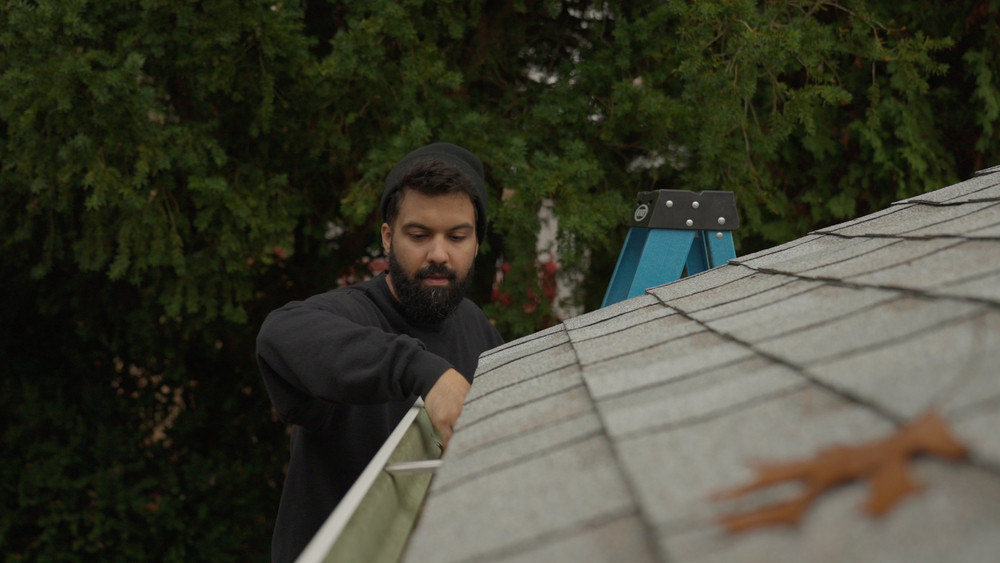
A properly designed gutter system does far more than move rainwater off a roof. It plays a critical role in protecting your home from damage that often develops slowly and goes unnoticed until repairs become expensive. When gutters are installed and maintained correctly, they direct water away from key structural areas such as the roofline, siding, and foundation. Without this protection, water can seep into hidden spaces, leading to wood rot, mold growth, and even foundation shifting over time. Many homeowners underestimate how small design details and routine care influence long-term durability. Understanding how gutters function helps you make better decisions about installation, materials, and upkeep before small issues turn into major structural concerns.
Proper Slope and Water Flow Efficiency
One of the most important aspects of a functional gutter system is ensuring the correct slope so water can move efficiently toward downspouts. If gutters are too level or improperly angled, water can pool and overflow, leading to staining, erosion, and hidden moisture damage along the roof edge. According to This Old House, gutters should be installed with a gradual downward pitch of about one-fourth of an inch for every 10 feet. This subtle angle is enough to keep water moving without being visually noticeable from the ground. When this slope is achieved correctly, it reduces standing water that can attract pests, cause rust, or freeze in colder months and create additional stress on the system. Proper water flow also helps protect fascia boards and prevents leaks from backing up under shingles.
Material Choices and Structural Durability
The type of material used in a gutter system also plays a significant role in how well it withstands environmental stress and temperature changes. Different materials expand and contract at different rates, which can impact long-term stability and performance. According to Metal Roofing Magazine, steel gutters are generally stronger and experience less expansion and contraction compared to aluminum gutters, which expand twice as much. This added stability allows them to maintain their shape more effectively through seasonal temperature shifts, reducing the likelihood of warping or separation at the seams. While aluminum is often chosen for its lightweight properties and resistance to rust, steel provides a more rigid structure that can better handle heavy rainfall and debris accumulation. A durable gutter system helps maintain consistent water flow, reducing the chances of overflow that can lead to hidden moisture damage behind walls or around the foundation.
Maintenance Practices That Extend Home Protection
Even the best gutter system will fail to protect a home if it is not properly maintained over time. Regular upkeep ensures that water continues to flow freely and that small issues are addressed before they become costly problems. According to This Old House, consistent maintenance practices such as routine inspections, cleaning out debris, and making immediate small repairs can extend a roof’s lifespan by five to 10 years beyond its expected service life. This is because clogged or damaged gutters can cause water to back up onto the roof, leading to gradual deterioration of shingles and underlying materials. Leaves, dirt, and other debris can create blockages that trap moisture and increase the risk of leaks or rot. By staying proactive with maintenance, homeowners reduce strain on both the roofing and drainage systems.
When gutters are installed with the correct slope, built from durable materials, and maintained regularly, they form a reliable defense against moisture intrusion. Each element works together to control how water moves away from the structure, preventing it from collecting in areas where it can cause deterioration over time. Small design details and consistent upkeep make a significant difference in how well a home withstands seasonal weather changes. By paying attention to these factors, homeowners can reduce the risk of hidden damage, extend the life of roofing materials, and maintain the overall strength of their property for years to come.