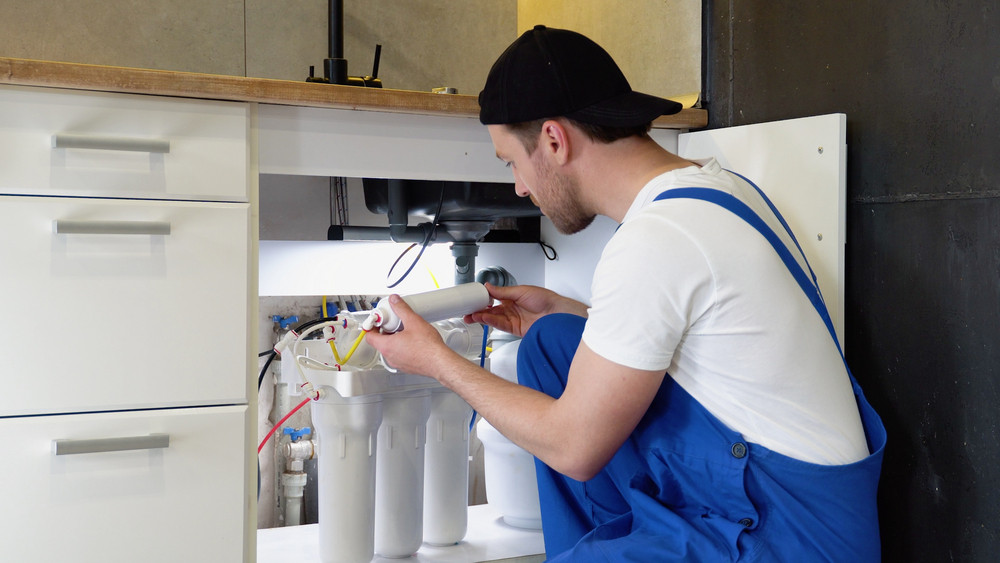
Plumbing is one of the most important systems in any home, yet it is often easy to overlook until something goes wrong. A dripping faucet, slow drain, leaking pipe, or malfunctioning water heater can begin as a minor inconvenience and develop into a larger household problem. Understanding how plumbing issues affect your property can help homeowners recognize potential concerns and take action before damage becomes more extensive.
Water Damage Can Become a Major Homeowner Concern
Plumbing problems can have consequences that extend well beyond the fixture or pipe where an issue begins. A small leak behind a wall, under a sink, or near an appliance may allow moisture to accumulate in areas that are difficult to see. Over time, that moisture can contribute to damaged drywall, flooring, cabinetry, insulation, and other parts of the home.
Water-related issues are also a significant source of homeowner insurance claims. According to ConsumerAffairs, water damage represented almost 24% of all U.S. homeowner insurance claims during the most recent year for which complete data was available. This illustrates why homeowners should not automatically treat visible leaks or unexplained moisture as minor problems. Addressing a plumbing issue early can help limit the amount of water that reaches surrounding materials and reduce the potential for more extensive property damage.
Some plumbing problems are especially difficult to identify because the source is hidden. For example, a pipe inside a wall can develop a leak without immediately producing an obvious puddle. Homeowners may instead notice discoloration, damp odors, peeling paint, warped flooring, or unexplained increases in water usage. Paying attention to these changes can make it easier to identify a potential plumbing problem before it affects a larger portion of the property.
Plumbing Plays an Important Role in Residential Properties
Plumbing systems support many of the activities that make a home functional, from bathing and cooking to cleaning and laundry. Because these systems are connected throughout a property, an issue in one area can sometimes affect how other fixtures operate. A clogged drain, faulty valve, or damaged supply line can therefore become more disruptive than it initially appears.
The importance of plumbing extends across the broader residential construction industry as well. Gitnux reports that residential construction represents the largest portion of plumbing industry revenue, accounting for more than 55%. This reflects the substantial role plumbing plays in residential properties and the ongoing need for installation, maintenance, repairs, and related services.
Homeowners can reduce some plumbing concerns by paying attention to how their systems normally operate. Water pressure that suddenly changes, drains that repeatedly clog, toilets that continue running, or faucets that develop persistent leaks may indicate that something needs attention. These signs do not necessarily mean a major repair is required, but ignoring recurring problems can allow underlying issues to become more difficult to address.
Regular awareness can also help homeowners identify problems that may otherwise go unnoticed. Checking visible pipes for corrosion or moisture, monitoring fixtures for leaks, and knowing where the home’s main water shutoff is located are practical steps. Even simple observations can give homeowners useful information about the condition of their plumbing system and help them respond more quickly when something changes.
Plumbing Repairs Can Affect Your Household Budget
The financial impact of a plumbing problem depends on several factors, including the location of the issue, the materials involved, and how much work is required. A straightforward fixture repair may be relatively limited, while a concealed pipe leak or extensive water damage can involve multiple areas of the property. Labor is another important consideration when estimating the potential cost of professional plumbing work.
According to Forbes, plumbers generally charge between $45 and $200 per hour, with the rate depending on the type of job. This range demonstrates why the cost of addressing a plumbing problem can vary considerably from one situation to another. Homeowners may need to consider both the complexity of the repair and the amount of professional labor required when planning for plumbing expenses.
Getting a clear understanding of the work involved can make it easier to evaluate repair costs. Homeowners can ask what caused the problem, what repairs are necessary, whether additional damage was discovered, and what materials will be needed. A detailed explanation can also help distinguish between an immediate repair and maintenance that may be appropriate later.
It is also important to consider the potential cost of delaying a repair. A minor leak that continues for weeks can affect flooring, walls, cabinets, or other materials, potentially creating additional work beyond the original plumbing issue. Taking action when a problem first becomes apparent may help homeowners avoid allowing a manageable repair to develop into a more complicated property concern.
Plumbing problems can lead to water damage, household disruptions, and unexpected repair costs. Monitoring your plumbing and addressing leaks or recurring issues early can help prevent minor problems from becoming more extensive. Maintaining your plumbing system also helps protect your home and keep essential household functions running smoothly.