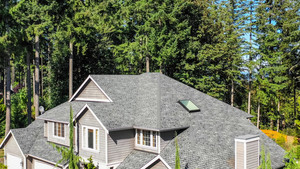
Roof leaks can be a homeowner’s nightmare. Often starting small and then growing into severe problems, leaks can cause significant damage if left unchecked. Understanding where these leaks commonly occur can save a homeowner time and money in the long run.
Common Areas Susceptible to Leaks
A key focus when dealing with roof leaks is identifying the most common areas where water tends to enter the home. According to This Old House, one inch of rain can result in approximately 1,900 gallons of water flowing off a typical home’s roof, highlighting the importance of maintaining your roof effectively. Flashing, roof vents, and skylights are particularly vulnerable to leaks because they disturb the continuous surface of a roof.
Improperly sealed flashing where chimneys or walls intersect the roof are notorious for allowing water to sneak into the home. Roof vents are another weak point, with the rubber seal around them breaking down over time, creating a path for water infiltration. Lastly, skylights can provide an unintentional entry point for water due to sealant failures or improper installation.
Prevention involves regular inspection and maintenance of these critical areas. Conducting rooftop inspections at least twice a year can help detect early warning signs of wear and repair them promptly before they morph into larger issues. Proper installation and use of quality materials can also greatly prolong the life of your roof.
Roofing Materials and Longevity
The life expectancy of roofing varies widely based on the materials used. According to This Old House, an average roof can last anywhere from 25 to 50 years, greatly influenced by its quality and durability. Homeowners need to weigh the initial cost against the longevity and durability of roofing materials.
Shingles, made primarily from asphalt, are one of the most common choices, offering decent durability at a relatively affordable price. Metal roofing, while more expensive upfront, can last much longer and requires less maintenance over its lifespan. Tile and slate are the most durable materials, often reaching or exceeding 50 years, but they require a substantial initial investment, according to our experts.
Choosing the right material involves considering climatic conditions and budget constraints. Consulting with a roofing professional can help in exploring the different options available that would best suit a home’s specific needs. A well-chosen roofing material can significantly reduce the risk of leaks.
The Impact of a Growing Market
The roofing industry is undergoing significant growth, driven by technological advancements and the need for sustainable solutions. The global roofing market is anticipated to escalate to $156 billion by 2030, according to This Old House, reflecting an increased investment in home protection and advancements in roofing technology. The surge in market growth is partially fueled by new materials that improve energy efficiency and environmental sustainability.
Innovations in roofing are now focusing on eco-friendly materials and solar solutions that not only protect homes but also contribute to energy saving. Sustainable roofing options, such as green roofs and solar shingles, are becoming increasingly popular for environmentally conscious homeowners. The benefits go beyond leak protection, providing homeowners with reduced energy bills and a smaller carbon footprint.
Staying abreast of changes in the roofing market can benefit a homeowner looking to maintain or upgrade their roofing. Touching base with the latest trends and technologies ensures that investments in roofing align with both personal values and practical needs. As the market evolves, so do the options available to fortify a home against leaks and other weather-related challenges.
In conclusion, understanding where leaks commonly occur and the materials that provide the best longevity are crucial steps in protecting a home from water damage. The ever-evolving roofing industry continues to provide new solutions and innovations, reflecting an increased commitment to both environmental concerns and homeowner protection. With the right materials, regular maintenance, and awareness of market trends, homeowners can effectively safeguard their roofs against potential leaks.