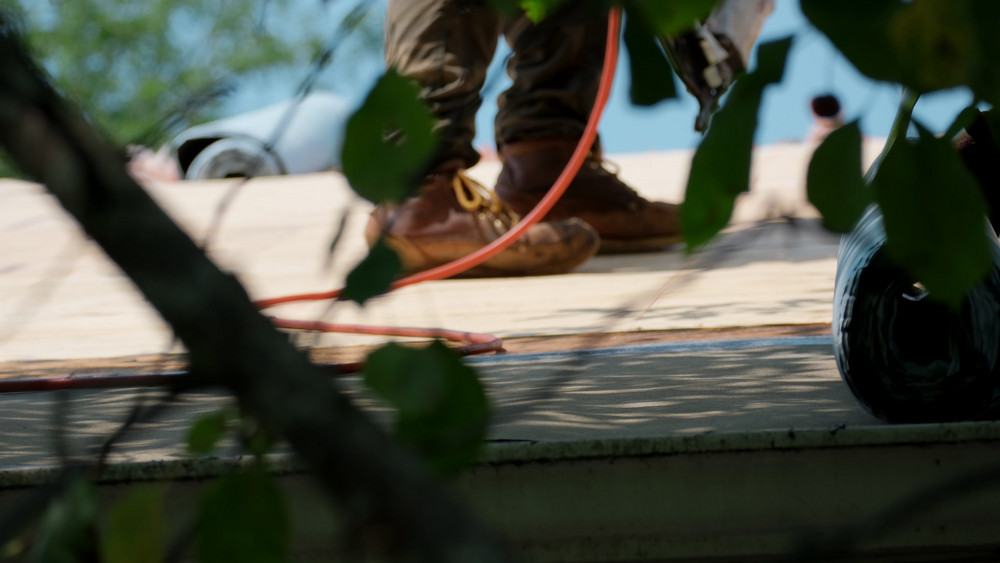
Roofs form an essential shield between our homes and the elements, yet they are often overlooked until disaster strikes. While many envision severe weather as the main perpetrator behind roof damage, trees pose an unanticipated threat. Falling trees cause significant destruction to roofs annually, translating to costly repairs and replacements for homeowners nationwide.
The Unseen Disasters Waiting in Your Backyard
In urban and suburban areas, trees add aesthetic value and greenery, but they can also become unintended hazards. When a storm or high winds hit, old or diseased trees might come crashing down without any warning. As reported by the National Storm Damage Center, tree falls are the leading cause of roof damage and contribute over $1 billion annually in property damage.
The cost implications for homeowners are extensive. When a tree falls on a roof, it not only results in physical damage but also involves consequential expenses like inspections and potential structural reinforcements. The repairing and replacing of destroyed shingles or entire sections of roofs impose unexpected financial burdens on homeowners.
Moreover, fallen trees can compromise the structural integrity of a house, exacerbating the costs and consequences. The force with which a tree lands can drive deep into the home’s framework, posing challenges beyond mere roof repairs. Buildings hit by fallen trees often encounter secondary issues such as leaks or compromised insulation.
The Financial Impact on Homeowners
For homeowners, the financial ramifications of tree-induced damage are quite significant. When a tree wreaks havoc on a roof, restoration costs often demand substantial out-of-pocket expenses. While insurance may cover some damage, the full extent and conditions are seldom met without homeowner contributions.
Interestingly, the installation of a new roof can be a double-edged sword financially. According to HomeGuide, a new roof installation can remarkably boost a home’s value, with owners potentially regaining 60% to 85% of their investment. This statistic highlights the paradoxical nature of roofing costs and benefits in the real estate market.
Thus, while new roof installations can elevate property value, maintenance remains an ongoing necessity to protect against unforeseen damages. The proactive approach of regularly examining and attending to potentially risky trees can aid in averting significant future repair costs. Preparedness in such scenarios signals substantial home preservation strategies.
Roofing Statistics: A Glimpse into Annual Installations
The demand for new roofing does not seem to wane despite the ongoing threat posed by falling trees. In a year, estimates suggest that around 5 million new roofs are installed. This figure underscores the significant industry that revolves around the protection and value enhancement of homes.
Given such high numbers, it is critical for homeowners to be aware of the best materials and practices when selecting a roofing option. Prioritization of durability, weather resistance, and material quality directly correlates with enhanced roof longevity and homeowner satisfaction. Such considerations are essential, especially in regions prone to severe weather where tree falls are frequent.
Ultimately, informed decisions regarding roof installations and materials become a homeowner’s best defense against unforeseen natural threats. Knowledge translates to empowerment; being aware of both potential hazards and long-term roofing benefits is crucial. Thus, brandishing a vigilant and proactive stance towards roofing care can mitigate unexpected economic strains.
Preparing for the Unexpected
As much as roofs serve as protectors of homes, homeowners must ensure they also take protective measures against known threats. Trees, for all their aesthetic and environmental benefits, can become liabilities if left unchecked near homes. Proper maintenance and timely interventions in tree care can significantly reduce the risk of roof damage.
Moreover, consistent engagement with insurance and roofing professionals ensures that homeowners are well-versed in potential coverages and options available after damage occurs. While one cannot completely eliminate the possibility of roof damage, effective preparation and understanding certainly dampen its impact. All in all, embracing preventive measures remains the most prudent path forward.
In a rapidly changing climate where unpredictable weather patterns prevail, vigilance over one’s property pays dividends. For homeowners, the intersection of roof care and tree management is vital in safeguarding both their residence and financial future. Attention to detail and awareness can make all the difference in preventing a minor hazard from becoming a major crisis.