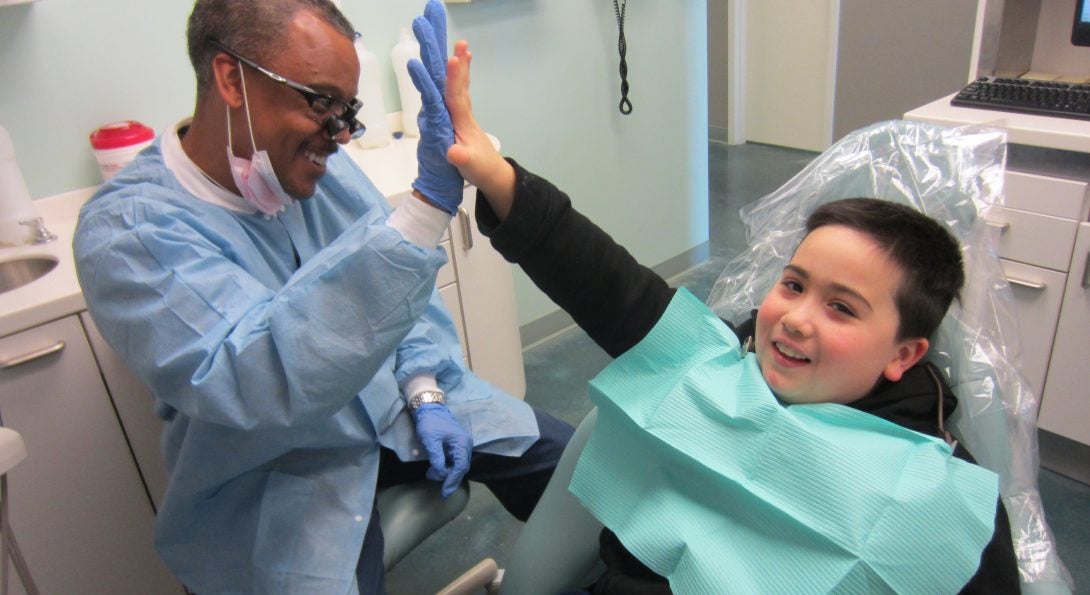
Dental pain can strike fast. A cracked tooth, swollen gums, or a sudden ache can stop your day. Many of these emergencies start small. A tiny cavity. Bleeding after brushing. A missed cleaning. You may ignore these signs. You may feel fine. Then one night you cannot sleep. Your face throbs. You search for help and rush to a dental office in St. Cloud, MN. This blog explains how routine checkups, cleanings, and simple daily habits can prevent many urgent problems. You will see how early care protects your teeth, saves money, and reduces fear. You will learn which warning signs to watch, which habits to keep, and when to call. You deserve calm, steady care, not panic in the middle of the night.
How Small Problems Turn Into Dental Emergencies
Tooth problems grow step by step. They rarely appear out of nowhere. Preventive care stops that climb.
Here is how a simple issue can change.
- Soft plaque builds along the gumline.
- Plaque hardens into tartar that brushing cannot remove.
- Gums swell and bleed. Cavities form in weak spots.
- Decay reaches the nerve. Infection builds pressure.
- Pain flares. A tooth chips, cracks, or loosens.
Regular cleanings remove plaque and tartar before they attack deeper layers. Routine exams catch tiny flaws that you cannot see in a mirror. Early fillings and gum care stop infection before it reaches the nerve.
What Counts As Preventive Dental Care
Preventive care is simple. It fits into normal life. It focuses on three main steps.
- Home care every day
- Routine office visits
- Smart choices with food and habits
Home care includes brushing twice a day with fluoride toothpaste and cleaning between teeth with floss or another cleaner. The Centers for Disease Control and Prevention explains that fluoride helps protect tooth enamel and lowers cavity risk.
Routine office visits usually include a cleaning, an exam, and sometimes X-rays. Your dentist checks for cavities, gum disease, and early cracks. These visits often find problems that do not hurt yet.
Smart choices include water instead of sugary drinks, a smoke-free life, and a mouthguard for sports. Each choice cuts the chance of sudden damage.
How Preventive Care Reduces Dental Emergencies
Preventive care blocks the most common causes of dental emergencies. It does this in three key ways.
- It lowers the number of cavities and infections.
- It strengthens teeth and gums so they resist injury.
- It finds hidden problems before they explode into pain.
For example, a small cavity found at a checkup may need a simple filling. If you skip visits, that same cavity can spread into the root. Then you may need a root canal or an extraction during an emergency visit.
Gum checks work the same way. Mild gum swelling can often improve with cleaning and better home care. If you ignore bleeding gums, infection can destroy bone. Teeth can loosen and even fall out.
Costs And Time: Preventive Care Versus Emergencies
Preventive visits require planning, but emergencies demand your full attention at once. They also often cost more. The pattern repeats across many families.
| Type of Care | Example Visit | Typical Timing | Impact On Family Life |
|---|---|---|---|
| Preventive care | Cleaning and exam twice a year | Planned during free time | Short visit. Quick return to school or work. |
| Early treatment | Small filling or gum care | Soon after a checkup | Some schedule change. Pain stays low. |
| Emergency visit | Root canal or extraction | Unplanned. Often at night or on weekends. | Missed work or school. High stress. |
The National Institute of Dental and Craniofacial Research notes that untreated decay often leads to pain and infection. Treatment then becomes more complex. Early care reduces these heavy visits.
Warning Signs You Should Never Ignore
Some signs demand quick action. They may not seem serious at first. Still, they often show early trouble that can turn into an emergency if you wait.
- Gums that bleed when you brush or floss
- New sensitivity to hot, cold, or sweet food
- Persistent bad breath or a bad taste
- Chips, cracks, or sharp edges on a tooth
- A sore that does not heal within two weeks
- Swelling in your cheek or jaw
Call your dentist if you notice any of these changes. Early visits often mean shorter treatment, fewer injections, and less fear.
Preventive Care For Children And Older Adults
Children and older adults face a higher risk of dental emergencies. They often need extra support.
For children, focus on three steps.
- Regular checkups once the first tooth appears.
- Sealants and fluoride for molars when the dentist recommends them.
- Sports mouthguards for contact games.
For older adults, focus on three other steps.
- Extra cleaning care if you wear dentures or partials.
- Review of medicines that cause dry mouth.
- Regular checks for gum disease and oral cancer.
These habits reduce broken teeth, infections, and painful sores.
Building A Simple Preventive Care Routine
You can build a strong routine with small steps.
- Brush every morning and night for two minutes.
- Clean between teeth once a day.
- Drink water with meals and limit sugary snacks.
- Schedule checkups every six months or as your dentist advises.
- Wear a mouthguard for sports or if you clench at night.
Each step builds protection. Together, they reduce the chance that you will face sudden, crushing tooth pain.
When To Seek Emergency Dental Care
Preventive care lowers risk. It does not erase every emergency. You still need fast help if you notice any of the following.
- Severe toothache that does not ease with pain medicine
- Facial swelling, trouble breathing, or trouble swallowing
- Knocked out tooth
- Large crack or break that exposes the inner part of the tooth
- Heavy bleeding that does not slow
In those moments, stay calm. Call your dentist or seek urgent care. Then use preventive care to protect the rest of your teeth and lower the chance of another crisis.