Air conditioning is one of the most important comfort systems in the modern home, especially in areas where summer temperatures climb quickly and stay high for months. For many homeowners, the AC system runs quietly in the background until something goes wrong. However, understanding the average lifespan of an air conditioner can help families plan ahead, avoid emergency replacements, and ensure their cooling system performs well over time.
According to HomeGrail.com, 75% of all United States homes have air conditioning. That means AC systems are not just a luxury for many households; they are a major part of everyday home comfort. Because so many homes rely on them, homeowners should know what to expect as their systems age.
How Long Does an Air Conditioner Usually Last?
Most central air conditioning systems are built to provide years of reliable cooling, but they are not designed to last forever. According to USA Today, the average air conditioner should be replaced every 15 years. This does not mean every system will fail exactly at the 15-year mark, but it is a helpful benchmark for homeowners.
Some air conditioners may last a little longer with excellent maintenance, proper installation, and moderate use. Others may begin having major issues sooner if they have been overworked, poorly maintained, or exposed to harsh conditions. Once an AC system is 12 to 15 years old, homeowners should start paying closer attention to repair frequency, energy bills, and overall comfort.
An aging unit often becomes less efficient even if it still turns on and cools the home. It may take longer to reach the thermostat setting, run more often, or struggle to keep temperatures consistent from room to room. These signs do not always mean immediate replacement is necessary, but they do suggest the system may be approaching the end of its useful life.
Why AC Systems Wear Down Over Time
Air conditioners work by removing heat from the home and circulating cooled air throughout the living space. Over many years, parts such as the compressor, fan motor, evaporator coil, condenser coil, and electrical components experience normal wear. Even with regular service, these parts gradually lose efficiency.
Dust, dirt, clogged filters, low refrigerant, blocked airflow, and dirty coils can all make the system work harder than it should. When an AC has to work harder, it uses more energy and puts additional strain on key components. Over time, that extra strain can shorten the system’s lifespan.
Climate also plays a role. In hotter areas, the AC may run for long periods every day during the warmest months. Homes with poor insulation, leaky ductwork, or older windows may also force the system to run more often. The more frequently the system cycles on and off, the more wear it experiences.
Summer Is the Hardest Season on Your AC
The time of year can also affect how much stress your cooling system experiences. According to This Old House, HVAC systems work the hardest from June through August, during the hot summer months. During this stretch, the AC may run for hours to keep indoor temperatures comfortable.
Because summer places the greatest demand on the system, small problems can quickly escalate into bigger ones. A dirty air filter, a weak capacitor, a refrigerant issue, or a failing fan motor may be easier to overlook in spring, but during peak summer heat, those problems can lead to poor cooling or even a full system breakdown.
This is why homeowners should schedule AC maintenance before the hottest months arrive. A spring tune-up gives a technician the chance to inspect the system, clean important components, check refrigerant levels, test electrical connections, and identify worn parts before the unit is under constant demand.
Signs Your AC May Be Nearing the End
Homeowners do not always need to replace an AC just because it is older, but certain warning signs should not be ignored. One of the biggest indicators is the need for frequent repairs. If the system needs service several times in one season, replacement may be more cost-effective than continuing repairs.
Rising energy bills can also point to declining efficiency. If your usage habits have not changed but your cooling costs are increasing, the AC may be working harder than necessary. Uneven cooling, weak airflow, strange noises, musty smells, and humidity problems are also signs that the system may no longer be performing properly.
Another factor is the cost of repairs relative to the system’s age. A minor repair on a newer unit may make sense. However, a major repair on a 14- or 15-year-old system may not be the best investment, especially if the unit is likely to need more repairs soon.
How Homeowners Can Help Their AC Last Longer
Regular maintenance is one of the best ways to protect an air conditioner. Homeowners should replace or clean air filters regularly, keep outdoor units free of leaves and debris, and ensure vents are not blocked by furniture or rugs. These simple steps help improve airflow and reduce strain on the system.
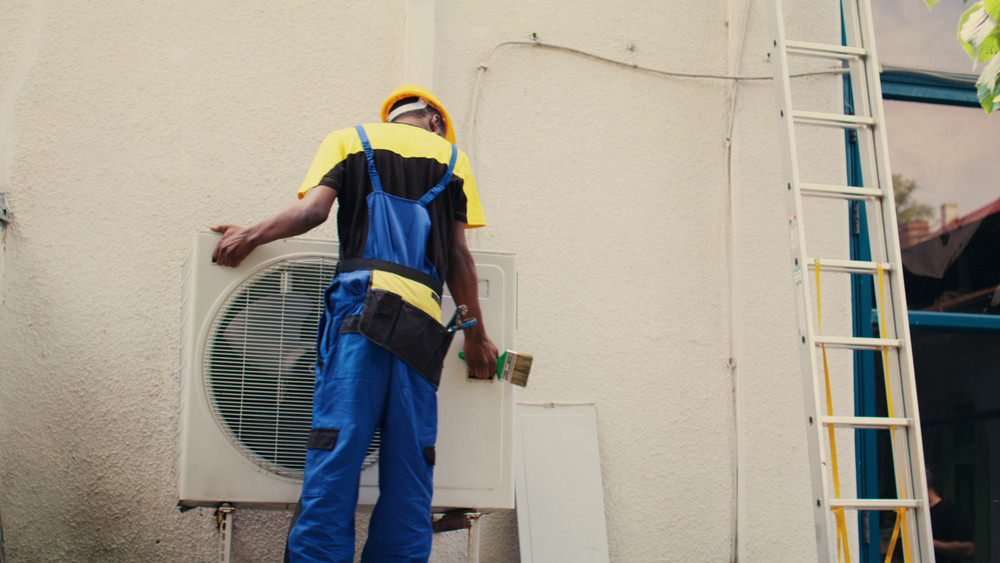
Professional maintenance is also important. During a tune-up, a technician can check parts that homeowners usually cannot inspect on their own. This includes coils, refrigerant levels, electrical connections, drain lines, and moving components. Catching issues early can prevent more expensive repairs later.
Homeowners can also reduce stress on the AC by using a programmable or smart thermostat, sealing air leaks, improving insulation, and closing blinds during the hottest parts of the day. These habits help the home stay cooler without forcing the system to run constantly.
Planning Ahead for AC Replacement
Replacing an air conditioner is a major home investment, so planning ahead is better than waiting for a sudden breakdown. If your system is more than 10 years old, it is a good idea to start watching its performance more closely and setting aside a budget for future replacement.
A new AC system can offer better efficiency, quieter operation, improved comfort, and more consistent cooling. Modern units may also help lower monthly energy costs compared to older, less efficient models. The right time to replace depends on the system’s age, condition, repair history, and how well it is meeting your household’s needs.
The average AC lifespan gives homeowners a useful timeline for maintenance, repairs, and replacement planning. While many systems can last for years with proper care, most will eventually lose efficiency and become more expensive to operate. By understanding the typical 15-year replacement window, preparing before the summer workload peaks, and paying attention to warning signs, homeowners can make smarter decisions about their cooling system and avoid being caught off guard when it is time for a new one.