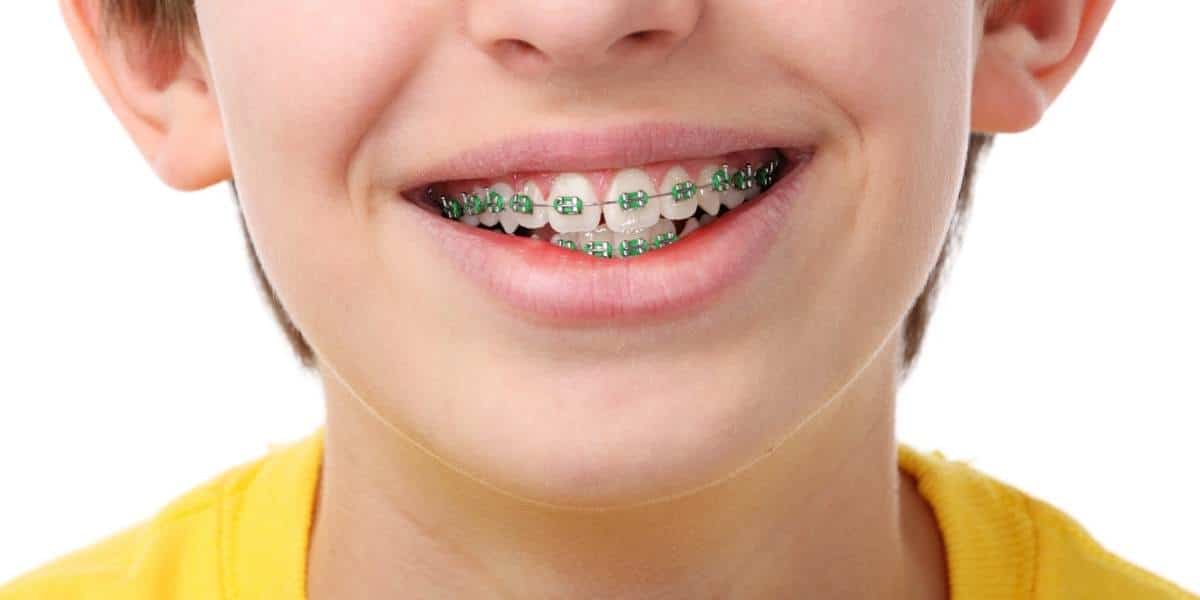
Braces can shake a child’s confidence. You see the worry. You hear the questions. You want clear steps that protect your child’s smile and mood. This guide gives you four simple moves you can use at home. You will help your child feel ready, not scared. First, you will learn how to explain braces in plain words that make sense for kids. Next, you will set up small routines that keep pain low and teeth clean. Then, you will plan for school, photos, and sleep so nothing feels like a shock. Finally, you will know when to call your orthodontist or dentist in North Phoenix for extra support. Each step is short. Each step is practical. You can start today and give your child a calm path to a healthy, straight smile.
Step 1: Talk About Braces In Simple, Honest Terms
Your child studies your face. If you look tense, they feel tense. You set the tone with clear and steady talk.
Use short, honest lines:
- “Braces help your teeth line up so they work better.”
- “They stay on for a while, then come off when your teeth are ready.”
- “Your mouth may feel sore at first. We will handle that together.”
Next, let your child ask anything. Do not rush. You can say, “I do not know. We will ask the orthodontist.” That shows safety and truth.
Share real pictures of kids with braces. You can use school photos or trusted sites like the American Dental Association’s MouthHealthy page on braces. This turns a vague fear into something clear and normal.
Then, agree on a simple script your child can use at school when classmates ask questions. For example:
- “I got braces so my teeth can line up.”
- “They feel tight, but I am okay.”
Clear words calm racing thoughts. Your child feels seen and protected.
Step 2: Build Easy Habits Before The Braces Go On
Habits feel hard to start after braces are placed. You can train now while your child’s mouth still feels normal.
First, set a simple daily routine:
- Brush two times each day for two minutes.
- Clean between teeth once each day.
- Rinse with water after snacks and sweets.
You can use a timer or a short song. You can also brush together. This feels less like a rule and more like a team plan.
The Centers for Disease Control and Prevention shares clear tips on child oral care that you can use as a base.
Next, talk about food. Sticky and hard foods can break brackets. Start “practice weeks” before braces. During these weeks, your child avoids the same foods that they will avoid with braces. This gives them control and time to adjust.
Practice Food Swap Ideas Before Braces
| Food To Limit | Reason | Easy Swap |
|---|---|---|
| Hard candy | Can crack brackets | Sugar free mints that melt |
| Chewy gummies | Stick to teeth | Soft fruit like berries or banana |
| Popcorn | Kernels wedge between teeth | Air puffed corn snacks without kernels |
| Whole apples | Biting pulls on brackets | Apple slices or applesauce |
| Ice chewing | Strong pressure on teeth | Cold water or crushed ice, you do not chew |
These small swaps teach your child what life with braces will feel like. Nothing comes as a shock later.
Step 3: Plan For The First Week With Braces
The first week sets the story your child tells themself. With a short plan, you lower pain and fear.
Before the braces visit, gather:
- Soft foods like yogurt, soup, mashed potatoes, and scrambled eggs
- Over-the-counter pain relief, as your dentist suggests
- Orthodontic wax from the office
- A small mirror so your child can see and learn
Next, plan a calm day after the braces go on. If possible, choose a day without big tests or sports. Tell your child, “Your mouth may feel tight for a few days. We already have food and medicine ready.” That single line gives deep relief.
Use a simple pain plan:
- Cold water or a cool drink with meals
- Soft meals for at least two days
- Pain medicine at the times your dentist outlines
Show your child how to use wax on rough spots. Let them try it themself. That small act builds control. The mouth still hurts, but your child now has a tool.
You can also plan small rewards that are not food. For example, extra story time, a new book, or a game night. This tells your child, “Your effort matters.”
Step 4: Support School, Sports, and Sleep
Life does not pause for braces. You can guard your child’s routine so they feel strong in each place they spend time.
First, talk with your child about school. Ask:
- “What worries you most about braces at school”
- “Who can you talk to if you need help during the day?”
Then, share a short plan with teachers if needed. You can request:
- Permission to keep a small mirror and wax in the backpack
- A pass to rinse in the bathroom after lunch
- Quiet space if your child feels strong mouth pain
For sports, ask the orthodontist about a mouthguard that fits over braces. Explain to your child that this guard protects their teeth and their effort.
Sleep can be affected when teeth feel sore. You can help by:
- Using pain relief before bed if approved by your dentist
- Giving a soft snack and cool water before brushing
- Placing extra pillows so your child can sleep in a steady position
If pain wakes your child many nights, or if you see cuts that do not heal, contact your orthodontist or regular dentist for a check. Early help keeps small problems from turning into long-term stress.
Know When To Ask For Extra Help
Braces are common, yet every child reacts in a different way. Some feel sad about their new look. Others feel angry about food rules. You can watch for signs that your child needs extra support.
- They stop smiling in photos.
- They avoid school or sports they once liked.
- They refuse to brush or clean around braces.
When you see these changes, share them with the orthodontist or your regular dentist. You can also ask if a child counselor or school counselor can help. Early talk protects both the mouth and the mind.
With clear words, simple habits, and a calm plan, you give your child more than straight teeth. You give them proof that they can face change and stay strong.