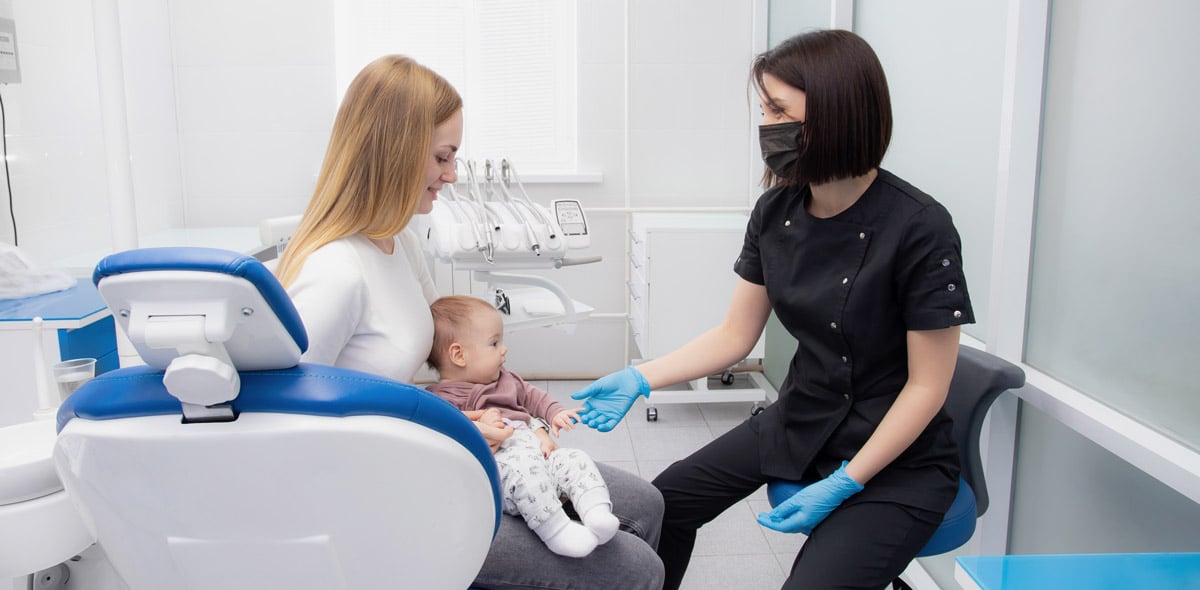
Your mouth changes as you age. Teeth shift. Gums pull back. Small problems spread. A family dentist watches these changes and responds early. You gain a steady guide who knows your medical history, habits, and fears. That history helps spot patterns before they turn into pain. Regular visits with a dentist in West University Place, TX give you more than clean teeth. They give you clear steps, honest talk, and a plan you can follow. First, you get careful checks that catch cavities, gum disease, and wear. Next, you receive cleanings that remove plaque from places you miss at home. Finally, you learn simple routines that fit your daily life. This steady support lowers stress and cost. It protects your smile through childhood, parenthood, and older age.
Why steady dental care matters at every age
Oral health shapes how you eat, speak, and relate to others. Pain in your mouth can drain sleep and mood. Infection in your gums can affect blood sugar and heart health. The mouth never sits apart from the rest of the body.
Routine care works best when it starts early and then continues. You may skip visits when life feels busy. Yet small issues grow in silence. A tiny cavity can turn into a deep break. Mild bleeding can progress to loose teeth.
Family dentists reduce that risk. They watch your mouth across time. They see how stress, medicine, and aging change your teeth and gums. They then adjust your care plan so you stay ahead of damage.
What a family dentist does for your whole household
A family dentist treats children, teens, adults, and older adults in one place. You gain one trusted office that knows your story.
- For young children you get gentle exams, cavity checks, and help with brushing habits.
- For teens you get cavity control, sports mouthguards, and support for braces or aligners.
- For adults you get gum care, repair of worn or cracked teeth, and help with grinding.
- For older adults you get dry mouth care, denture checks, and checks for oral cancer.
This shared care builds trust. Children see parents in the same office and feel safe. Parents hear one clear message about home care for all ages. The dentist tracks family habits like sweet drinks or grinding and then addresses them early.
How needs change from childhood to older age
Oral health needs shift with life stages. A steady dentist guides you through each shift.
| Life stage | Main mouth risks | Key support from family dentist |
|---|---|---|
| Early childhood | Baby bottle tooth decay. First cavities. | Fluoride, sealants, parent coaching, habit checks. |
| School age | Snack sugar, sports injuries. | Regular cleanings, sealants, mouthguards, alignment checks. |
| Teens | Soda, tobacco, piercings, braces care. | Counseling, cavity checks, gum checks around braces. |
| Adults | Stress grinding, gum disease, pregnancy changes. | Night guards, deep cleanings, pregnancy safe care. |
| Older adults | Dry mouth, tooth loss, oral cancer. | Denture fit checks, saliva support, cancer screening. |
This long view prevents surprise. You know what to expect next and how to prepare.
What routine visits usually include
Each visit has three core parts. These are simple yet powerful.
- Review. You share changes in health, medicine, and habits. The dentist checks how these affect your mouth.
- Exam. The team checks teeth, gums, tongue, and cheeks. They look for cavities, infection, and signs of grinding or cancer.
- Cleaning. A hygienist removes plaque and tartar. They clean along the gumline and between teeth.
Many visits also include X-rays when needed. These show problems between teeth and under fillings. They help find issues before you feel pain. The Centers for Disease Control and Prevention reports that early treatment reduces tooth loss and lowers long-term costs.
Tracking progress with simple data
Family dentists often track a few key numbers over time. These numbers show where you stand and how you improve.
| Measure | What it shows | Why it matters over time |
|---|---|---|
| Cavity count | New and past tooth decay | Helps judge sugar intake and brushing success |
| Gum pocket depth | Space between tooth and gum | Shows gum disease risk and healing |
| Plaque level | Soft film on teeth | Guides cleaning tools and techniques at home |
| Tooth wear | Flattened or chipped edges | Signals grinding or bite issues |
When you see these numbers improve, you gain proof that your daily effort works. When numbers worsen, you can act fast and change course.
How your dentist supports home care
Most of your mouth care happens at home. The dentist gives you a clear, simple routine and then fine-tunes it over time.
- Show you how to brush and floss in a way that fits your hands and mouth.
- Suggest toothbrush type and toothpaste strength.
- Review snacks and drinks that harm teeth.
- Help you set a plan for children who resist brushing.
- Offer options if flossing feels hard, such as small brushes or floss picks.
The National Institute of Dental and Craniofacial Research shares that steady brushing with fluoride toothpaste and flossing each day cuts decay and gum disease.
Preventing emergencies and higher costs
Many dental emergencies start as small problems. A cracked tooth that goes untreated can break during a meal. A mild infection can swell overnight. Regular visits help catch these before they turn severe.
Early fillings cost less than crowns. Cleanings cost less than gum surgery. A custom night guard costs less than repairs from years of grinding. Over time, routine care protects both your teeth and your budget.
Working with health changes and fear
Health conditions like diabetes, heart disease, or cancer treatment can strain your mouth. A family dentist coordinates with your medical team. They time dental work around other care and choose safe medicine.
Many people carry fear from past visits. A consistent dentist learns your triggers. They explain each step, plan breaks, and use numbing when needed. Each calm visit helps rebuild trust. Over the years, the chair feels less like a threat and more like a support.
Staying on track over a lifetime
Oral health is a long game. You win it through many small steps, not one big fix. A family dentist gives you clear guidance, early warnings, and honest feedback. Children grow up with stronger habits. Adults keep more of their natural teeth. Older adults eat and speak with comfort.
When you keep regular visits and follow simple home routines, your mouth stays more stable. You face fewer shocks. You gain steady comfort, clear speech, and the quiet relief of a healthy smile that lasts.