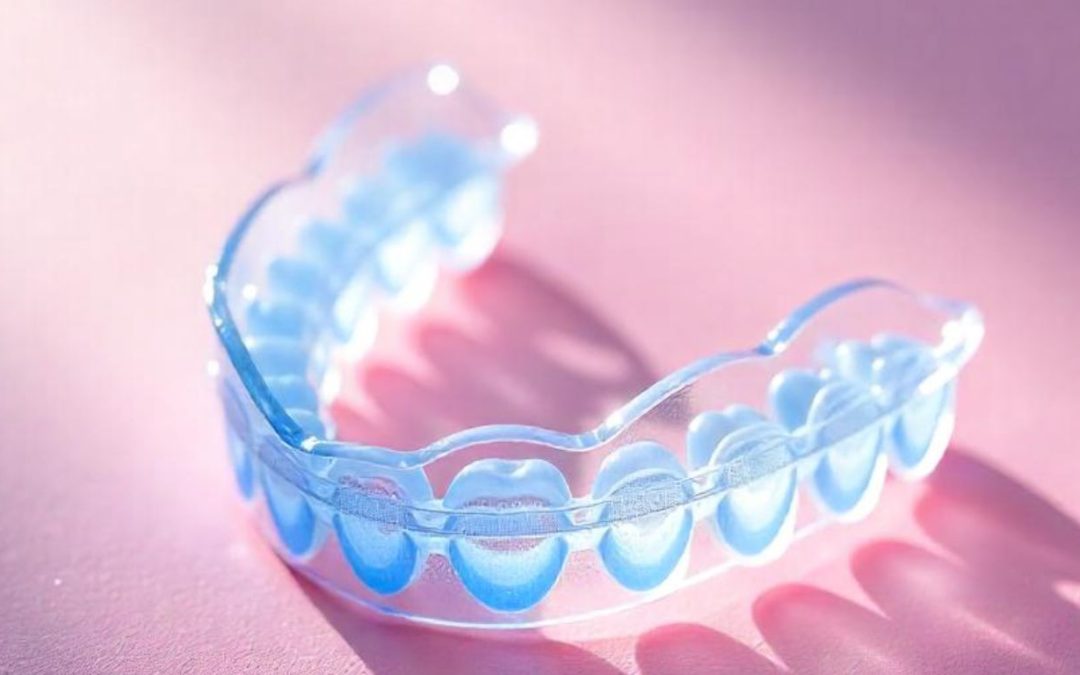
Clear aligners promise a straight smile with less disruption to your life. Yet real success does not come from the trays alone. It comes from small, steady changes that guide your teeth with control. Each new set of aligners makes a tiny shift. These shifts protect your teeth, roots, and gums from shock. They also keep your treatment on track. When changes are too fast, teeth can move in the wrong way. This can cause pain, delays, and new problems. When changes are planned in careful steps, teeth move with purpose. You see progress. You stay motivated. You avoid regret. A skilled dentist in Madison uses these small adjustments to match your mouth, your bite, and your daily habits. You gain clear goals and honest timelines. You understand what to expect at each visit. You do not need perfection from day one. You need the right next step.
Why teeth need slow and steady movement
Your teeth sit in bone, not in solid rock. The bone around each tooth is living tissue. It responds to pressure. When pressure is gentle, the bone reshapes and heals. When pressure is rough or rushed, the bone can break down. Gums can recede. Roots can shorten.
The National Institute of Dental and Craniofacial Research explains that teeth and gums stay healthier when forces on them are controlled and light. This science is the basis for clear aligner plans. Your trays are not guesswork. They are built around safe limits for how far a tooth should move between visits.
How incremental adjustments work
Incremental adjustment means your teeth move in many small steps instead of a few big jumps. Each new set of trays changes position a little bit from the last set. You may not see the change with your eyes. Your teeth feel it.
Each step has three goals.
- Move specific teeth in a set direction
- Keep pressure low and steady
- Give your bone and gums time to adapt
Your dentist sets how often you switch trays. Common plans use seven, ten, or fourteen days per set. The right pace depends on your age, bone health, and how complex your bite is. Younger bone can adapt faster. Older bone may need more time. A rushed schedule can cause sore teeth and poor movement. A slower schedule can protect comfort and long-term health.
Your role in each small step
Aligners only work when you wear them. That sounds simple. In real life, it can be hard. Work, school, and family can pull your focus. Yet every hour the trays stay out of your mouth is an hour lost in that step.
Most plans need 20 to 22 hours of wear each day. That leaves time for meals and brushing. It does not leave time to forget them on the counter. Your effort gives each small adjustment a chance to finish.
To protect your progress, build three clear habits.
- Put trays back in right after meals
- Use a case so you do not lose or break them
- Track wear time with a simple note or app
The Centers for Disease Control and Prevention shares that daily routines help families keep better oral health. You can see basic care guidance at the CDC page on oral health at the CDC oral health guide. The same idea applies to aligners. Routine wins.
Aligners vs braces and the role of small changes
Braces and clear aligners both rely on incremental movement. The method looks different. The core idea is the same. Small steps protect teeth.
| Feature | Clear aligners | Traditional braces |
|---|---|---|
| How teeth move | Series of trays that change shape in small steps | Wire bends and bracket changes at visits |
| Visit rhythm | Checkups every 6 to 10 weeks for plan tweaks | Adjustments every 4 to 8 weeks |
| Daily control | You can remove trays. Success needs wear time. | Braces stay on teeth all day and night. |
| Comfort | Pressure changes with each new tray set | Pressure changes after wire or band tweaks |
| Hygiene | Trays out for brushing and flossing | Brushing and flossing around brackets and wires |
In both choices, the smallest changes are often the most powerful. A light bend in a wire or one extra week in a tray can prevent months of setback.
Why some cases need extra small steps
Not every smile follows the same path. Some teeth are rotated. Some have deep roots. Some bites have long-standing stress on the jaw joint. These cases often need more tray sets with even smaller changes between them.
Your dentist may:
- Add more trays with tiny changes to move a stubborn tooth
- Use small tooth colored attachments to give aligners a better grip
- Plan short pauses so your bone can catch up with movement
These steps can feel slow. They are not failures. They are protection. They lower the chance of root damage and gum loss. They also set you up for a bite that lasts.
Checkups and midcourse corrections
Every checkup is a chance to judge how well the small steps are working. Your dentist compares your teeth to the digital plan. If teeth lag behind, the plan can change. New scans and new trays can reset the path without undoing past gains.
During visits your dentist will:
- Check fit of current trays
- Look for red spots, sores, or gum changes
- Review your wear time and comfort
These checks keep small issues from turning into big problems. Missed visits remove that safety net. Then even tiny mistakes can grow.
How families can support success
Clear aligners affect the whole household. A child or teen may need reminders. An adult may need help keeping track of trays during busy meals or travel. Shared routines can help everyone stay on course.
Families can support by:
- Setting phone alerts for tray changes and checkups
- Keeping a small travel kit with a case, brush, and floss
- Talking openly about soreness or worry so problems surface early
Small acts of support match the small steps of the treatment. Together they reduce stress and protect results.
Seeing the value in slow progress
Incremental adjustments ask for patience. They also offer safety and control. Each small move is a promise to your future self. You are not rushing teeth into place. You are guiding them with care.
When you respect each step, you protect your comfort, your bite, and your long-term oral health. You give your dentist room to adjust and refine. You give your body time to adapt. That quiet, steady method is how clear aligners reach real success.