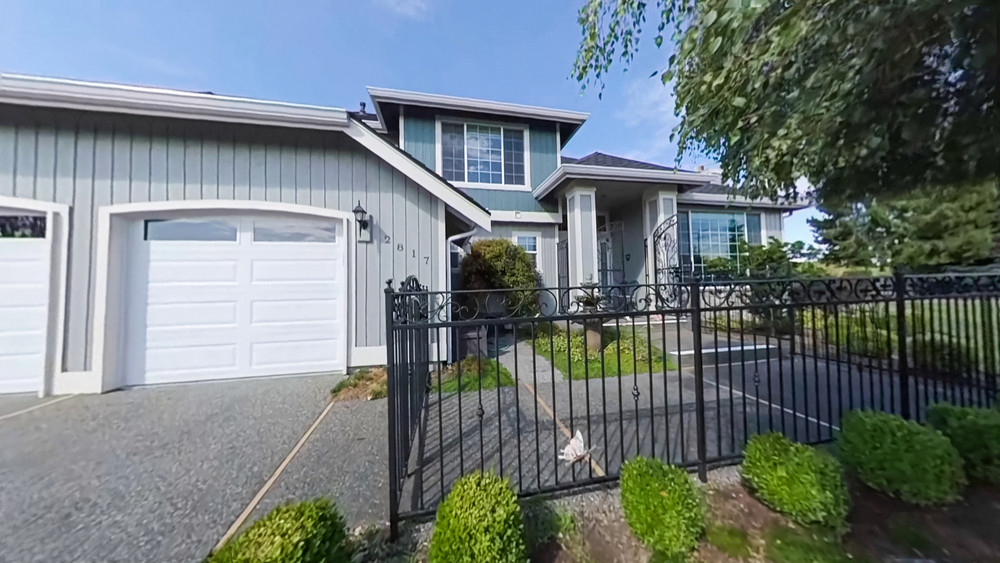
Home improvement in 2026 is all about balance. Homeowners are no longer choosing between practicality and personality—they’re blending both into spaces that are efficient, comfortable, and visually exciting. Smart technology, evolving design trends, and energy-conscious upgrades are shaping a new era of interiors that feel as good as they function.
Whether you’re planning a full renovation or a series of smaller updates, the goal is the same: create a home that works for your lifestyle while still reflecting your taste. Here’s how to strike the perfect balance between smart functionality and expressive design.
Start With Smart Systems That Improve Everyday Living
Technology is playing a central role in modern home design. From lighting and security to climate control, smart systems are making homes more responsive and efficient than ever before.
One of the most impactful areas of innovation is climate control. The global HVAC systems industry is projected to grow at a steady compound annual rate of around 6.4% between 2024 and 2031, reflecting the increasing demand for energy-efficient and intelligent temperature management solutions.
Smart thermostats, zoned heating, and app-controlled ventilation systems allow homeowners to customize comfort while reducing energy consumption. These upgrades not only improve daily living but also contribute to long-term cost savings and sustainability.
Create Personality Through Design-Driven Renovations
While smart systems provide the backbone of a functional home, design choices bring personality and warmth. In 2026, homeowners are embracing styles that feel expressive, nostalgic, and deeply personal.
One popular approach is reviving retro-inspired interiors with a modern twist. Think of bringing a nostalgic atmosphere into your home with what designers often call a “70s-inspired aesthetic”—rich earthy tones, soft plush fabrics, and natural materials like wood and stone. This style creates a cozy, grounded environment that feels both familiar and stylishly updated.
When paired with modern lighting and clean architectural lines, this look avoids feeling dated while still delivering warmth and character. It’s a perfect example of how design can be both fun and functional.
Upgrade Kitchens With Purposeful Style
The kitchen remains one of the most important spaces in any home, and in 2026, it’s becoming even more of a design focal point. Homeowners are prioritizing layouts and color schemes that are both practical for daily use and visually cohesive.
A standout trend in kitchen design is the rise of what many call the “Cool Country” style. This approach blends a classic country-inspired layout with a refreshed modern aesthetic, featuring a cool-toned palette of whites, soft greys, dusty blues, deep navy, and charcoal accents.
The result is a kitchen that feels timeless yet contemporary. It maintains the charm of traditional country design while introducing a cleaner, more refined visual structure that works beautifully with modern appliances and smart home integration.
Blend Functionality With Multi-Purpose Spaces
As homes continue to adapt to remote work, hybrid lifestyles, and evolving family needs, multi-functional spaces are becoming essential. Rooms are no longer limited to single purposes—they’re designed to shift and evolve throughout the day.
A guest bedroom might double as a home office, while a dining area could transform into a creative workspace. Smart storage solutions, fold-away furniture, and modular layouts make these transitions seamless.
The key is to ensure that functionality never feels forced. Instead, each space should feel intentional, comfortable, and easy to adapt based on changing needs.
Layer Comfort With Texture and Materials
Even the most advanced smart home benefits from tactile comfort and visual warmth. Materials and textures play a major role in making a home feel inviting.
Soft textiles, natural wood finishes, stone accents, and layered fabrics help balance sleek technology with human-centered design. The contrast between modern systems and organic materials creates a sense of harmony throughout the home.
This balance is especially important in open-concept spaces, where continuity in design helps tie different functional zones together without losing personality.
Use Lighting as Both a Smart and Aesthetic Tool
Lighting has become one of the most versatile elements in home design. Smart lighting systems now allow homeowners to adjust brightness, color temperature, and scheduling with ease.
Beyond functionality, lighting also plays a key aesthetic role. Layered lighting—combining ambient, task, and accent sources—can dramatically transform how a space feels throughout the day.
Warm lighting can enhance cozy, nostalgic interiors, while cooler tones complement modern kitchen designs and workspaces. With smart controls, homeowners can effortlessly shift moods to match different activities or times of day.
Embrace Sustainable and Energy-Efficient Upgrades
Sustainability is no longer a niche concern—it’s a central part of modern home improvement. Energy-efficient appliances, better insulation, and eco-friendly materials are becoming standard expectations rather than luxury upgrades.
Smart HVAC systems, efficient lighting, and water-saving fixtures all contribute to reducing environmental impact while improving comfort. These upgrades also align with long-term financial savings, making them a practical investment for homeowners looking ahead.
As awareness grows, combining sustainability with style is becoming one of the most important goals in home design for 2026.
Bring Fun Into Functional Spaces
While practicality is essential, modern homeowners are also prioritizing joy in design. Spaces should not only serve a function but also inspire comfort, creativity, and personal expression.
This might mean adding bold accent walls, playful design elements, or unexpected decor choices that reflect personality. Even highly functional rooms like kitchens or laundry areas can include design touches that make them more enjoyable to use.
The goal is to avoid overly sterile environments and instead create homes that feel lived-in, expressive, and engaging.
Connect Indoor and Outdoor Living
Another growing trend is the seamless blending of indoor and outdoor spaces. Patios, gardens, and balconies are increasingly being treated as extensions of interior living areas.
Large glass doors, consistent flooring materials, and coordinated color schemes help blur the line between inside and outside. Outdoor kitchens, seating areas, and smart lighting systems further enhance usability and comfort.
This integration not only expands usable space but also strengthens the overall flow of the home.
Home improvement in 2026 is about more than trends—it’s about creating adaptable, intelligent spaces that evolve over time. The most successful designs are those that balance present-day comfort with future flexibility. When functionality and fun come together, the result is a home that doesn’t just meet expectations—it enhances everyday life in meaningful ways.