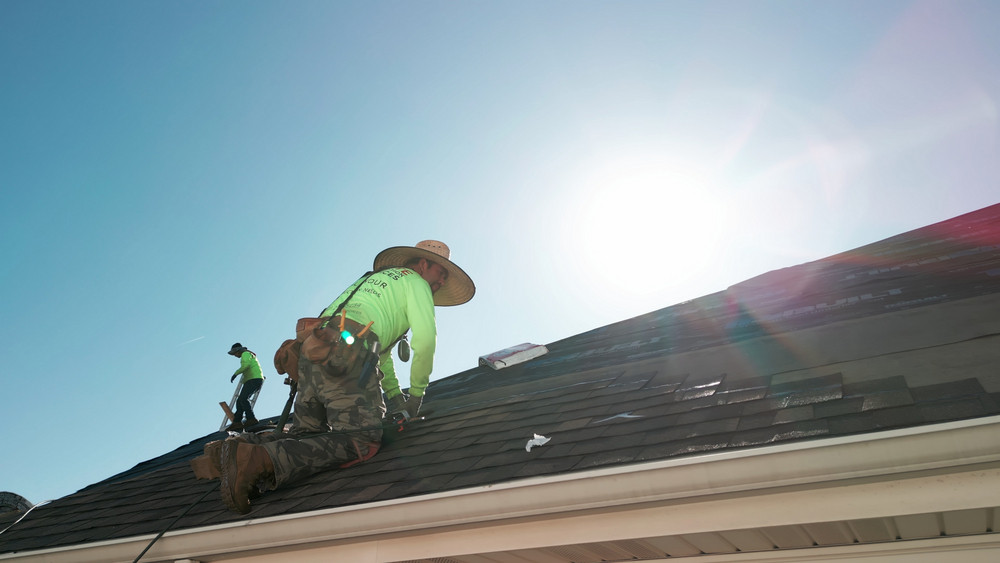
A roof does much more than simply cover a building. It acts as the primary barrier between your property and the outside environment, shielding everything beneath it from rain, wind, sunlight, and temperature changes. When a roof is healthy and well maintained, it quietly protects the structure, interior spaces, and even the belongings inside the building. Many property owners do not think about their roofs until a problem appears, but the condition of a roof plays a major role in the long term durability of an entire property.
A strong roof contributes to safety, comfort, and financial stability. It helps regulate indoor temperatures, prevents water intrusion, and protects structural components that would otherwise be vulnerable to deterioration. Understanding how a healthy roof safeguards your property can help homeowners and business owners make better decisions about inspections, maintenance, and repairs before small issues become major concerns.
The Roof Serves as the First Line of Defense Against the Elements
Every property relies on its roof as the first layer of protection against weather. Rain, snow, hail, wind, and UV exposure all place stress on roofing materials throughout the year. When roofing components are in good condition, they direct water away from the building and prevent moisture from entering the structure.
If a roof begins to deteriorate, even minor damage can create vulnerabilities. A loose shingle, cracked flashing, or worn seal can allow water to penetrate beneath the roofing surface. Once water enters the system, it can spread into insulation, ceilings, and walls. This type of infiltration can lead to mold growth, rot, and expensive structural damage.
Because roofs face constant environmental stress, proactive maintenance is essential. According to This Old House, 31% of homeowners have pursued roof repair or maintenance in the last three years. This statistic highlights how common roof care has become as people recognize the importance of protecting their homes before problems escalate.
Quality Roofing Materials Provide Long-Term Protection
The materials used on a roof significantly affect how well it protects a property. Different roofing systems are designed to withstand various climates and building needs, but durability and proper installation are always key factors.
Asphalt shingles are the most common roofing material for residential properties. According to RubyHome, asphalt shingles are used in about 80% of roofing projects, making them the most frequently used roofing material. Their popularity comes from their balance of durability, affordability, and ease of installation.
When installed correctly, quality shingles create overlapping layers that guide water away from the roof deck and into the drainage system. They also provide protection from sun exposure and temperature fluctuations that can weaken structural materials over time.
However, even durable materials require routine monitoring. Weather, debris, and aging can gradually wear down any roofing system. Regular inspections help identify worn shingles, missing sections, or damaged flashing before those issues compromise the roof’s protective function.
A Healthy Roof Helps Prevent Costly Water Damage
Water intrusion is one of the most damaging problems a property can face. Once moisture enters the structure, it can spread quickly through insulation, wood framing, drywall, and flooring. Left unchecked, water damage may lead to mold growth, structural weakening, and extensive repair costs.
A well-maintained roof works together with gutters, flashing, and ventilation systems to direct water safely away from the building. This system ensures that rain and melting snow flow off the roof rather than pooling in vulnerable areas.
Routine maintenance plays a major role in preventing water-related issues. According to Gitnux, regular home maintenance, including gutter cleaning and roof inspection, can reduce water damage risk by approximately 40%. Simple tasks like clearing debris from gutters and checking for loose roofing materials can make a significant difference in protecting a property.
These preventative steps help ensure that water never gains an opportunity to enter the structure in the first place.
Structural Integrity Starts at the Top
The roof is not only a protective covering. It is also an essential part of a building’s structural system. Roof framing distributes weight across the building, supporting the roofing materials while helping maintain overall stability.
When a roof is healthy, it evenly handles loads from snow accumulation, heavy rainfall, and strong winds. But when roofing components become compromised, that balance can change. Water damage, rot, or weakened materials can place extra stress on framing systems and cause structural issues over time.
Maintaining a healthy roof protects these critical structural elements. Regular inspections allow property owners to identify sagging areas, weakened decking, or other signs of stress before they lead to major repairs. By addressing issues early, owners can preserve the long term stability of their buildings.
Energy Efficiency and Indoor Comfort Depend on Roofing Health
Another often overlooked benefit of a healthy roof is its role in energy efficiency. Roofing systems influence how well a property retains heat in the winter and keeps cool air inside during the summer.
Proper insulation and ventilation work alongside roofing materials to regulate temperature. When a roof is in good condition, it helps prevent unwanted air exchange that can strain heating and cooling systems.
Damaged roofing materials or poor ventilation can allow hot or cold air to escape, forcing HVAC systems to work harder. Over time, this increases energy consumption and utility costs. Maintaining roofing components, sealing gaps, and ensuring proper ventilation helps improve efficiency while keeping indoor spaces comfortable throughout the year.
Preventative Maintenance Extends the Life of Your Roof
Roof replacement is one of the largest maintenance investments a property owner will face. Fortunately, regular maintenance can significantly extend the life of a roofing system and delay the need for major replacement.
Inspections allow professionals to identify small problems such as cracked shingles, worn flashing, or blocked gutters. These issues can usually be repaired quickly and affordably when caught early. Ignoring them, however, often leads to more serious damage that spreads throughout the roof structure.
Preventative care keeps roofing materials performing as designed while reducing the likelihood of emergency repairs. Routine inspections, cleaning, and minor repairs all contribute to maximizing the lifespan of a roof and protecting the property beneath it.
A healthy roof plays a critical role in safeguarding an entire property. From preventing water damage to supporting structural stability and improving energy efficiency, the condition of a roof affects nearly every part of a building. By prioritizing routine inspections, timely repairs, and preventative maintenance, property owners can ensure their roofs continue to provide reliable protection for years to come. Investing in roof health today ultimately helps preserve the value, safety, and comfort of the entire property.