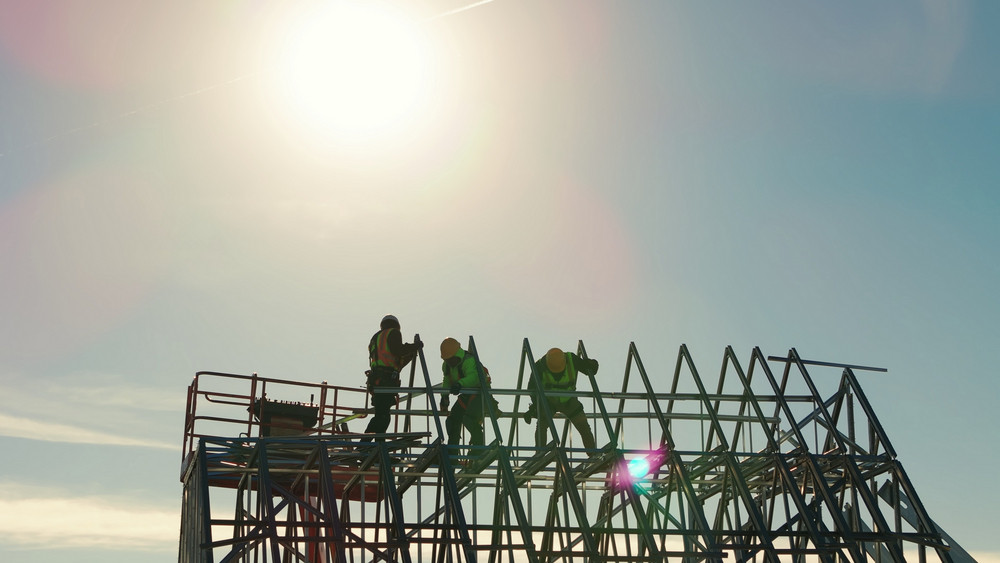
Metal roofing has steadily transformed from a niche option into a mainstream choice for homeowners and commercial property owners alike. Once associated mainly with barns and industrial buildings, today’s metal roofs offer sleek designs, enhanced durability, and impressive environmental benefits. As Americans look for long-term value, sustainability, and resilience in their home improvement decisions, metal roofing continues to stand out as a practical and forward-thinking solution.
Below, we explore the key reasons why metal roofing is gaining traction across the country.
Growing Popularity in Residential and Commercial Construction
One of the clearest indicators of metal roofing’s rise is its widespread adoption in both residential and commercial markets. According to This Old House, metal roofing ranks as the second-most commonly used roofing material for homes and commercial buildings. That level of adoption reflects a significant shift in how property owners evaluate roofing options.
Traditionally, asphalt shingles dominated the market because of their lower upfront cost and ease of installation. However, property owners are increasingly weighing total lifecycle value rather than just initial expenses. Metal roofing systems offer strong resistance to wind, fire, and impact damage, making them especially attractive in regions prone to hurricanes, hailstorms, and wildfires.
Architectural flexibility also contributes to its popularity. Today’s metal roofs come in a variety of styles, colors, and finishes that can mimic the look of shingles, tile, or even wood shake. This versatility allows homeowners to maintain curb appeal while benefiting from modern performance features.
Long-Term Durability That Pays Off
Longevity is one of the strongest selling points for metal roofing. According to This Old House, metal roofing systems typically last between 40 and 70 years on average. That lifespan significantly exceeds many traditional roofing materials.
For comparison, asphalt shingles often require replacement within 15 to 30 years depending on climate and maintenance. This means that over the course of owning a home, a property owner might replace a conventional roof two or even three times. A properly installed metal roof, however, can remain intact for several decades with minimal deterioration.
This extended lifespan translates into cost savings over time. While metal roofing may involve a higher upfront investment, the reduced need for replacement and repairs can offset that initial expense. In addition, many insurance providers recognize the durability of metal roofs, which can sometimes lead to lower premiums in areas vulnerable to severe weather.
As more homeowners prioritize long-term performance and reduced maintenance, the 40 to 70-year lifespan of metal roofing becomes a compelling advantage that supports its growing popularity.
Sustainability and Environmental Responsibility
Environmental awareness plays an increasingly important role in home improvement decisions. Many property owners are seeking materials that align with sustainability goals and reduce environmental impact. Metal roofing stands out in this area as well.
According to State Farm, metal roofing products are frequently manufactured using recycled materials and are 100% recyclable at the end of their service life. This dual benefit—using recycled content and being fully recyclable—significantly reduces landfill waste compared to traditional roofing materials.
Asphalt shingles, for example, often end up in landfills after removal, contributing to construction debris. In contrast, metal roofing can be reclaimed and reused, supporting a circular material lifecycle. For environmentally conscious homeowners, this recyclability makes metal an attractive option.
In addition to recyclability, metal roofing can improve energy efficiency. Many systems feature reflective coatings that reduce heat absorption, helping homes stay cooler in warmer climates. By lowering the strain on air conditioning systems, metal roofs can reduce energy consumption and utility costs.
A Smart Investment for the Future
The rising popularity of metal roofing is not just a trend—it reflects a broader shift in how Americans evaluate building materials. Durability, environmental responsibility, and long-term cost efficiency are increasingly prioritized over short-term savings.
In real estate markets, buyers are also recognizing the value of a long-lasting roof. A property equipped with a durable roofing system that may not require replacement for decades can be a strong selling point. It signals reduced maintenance concerns and improved resilience.
As extreme weather events become more common and sustainability standards continue to evolve, demand for roofing materials that can withstand challenges while minimizing environmental impact is likely to grow. Metal roofing checks both boxes.
Metal roofing’s steady rise across the United States is driven by a combination of practicality, performance, and sustainability. Its position as the second-most popular roofing material reflects widespread confidence in its benefits. With an average lifespan of 40 to 70 years and the ability to be made from recycled content and fully recycled at the end of its life, metal roofing offers advantages that align with modern priorities.
For homeowners and commercial property owners seeking a durable, environmentally responsible, and long-term roofing solution, metal roofing continues to prove why it is more than just an alternative—it is becoming a preferred standard.