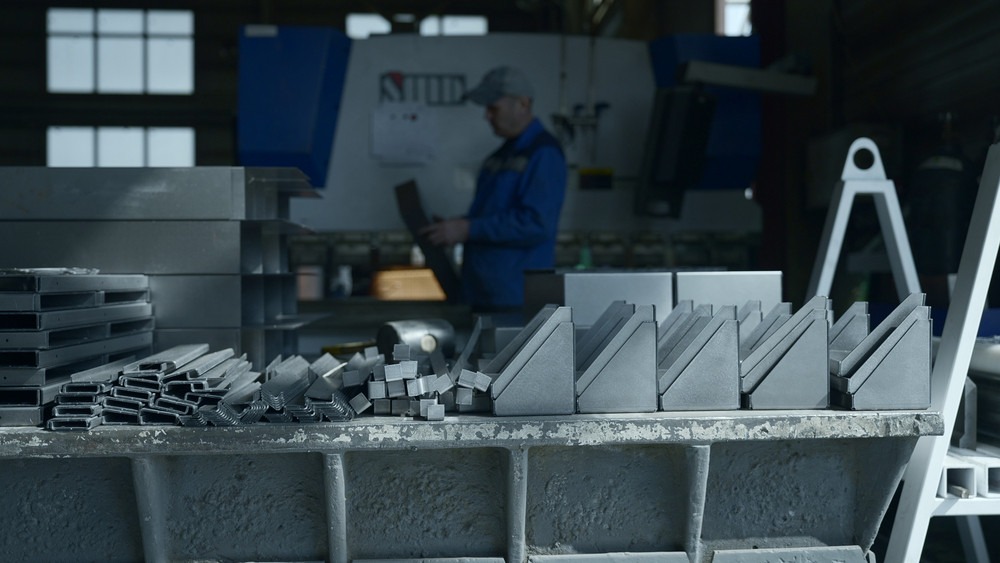
The steel fabrication business often sits behind the scenes of major construction, infrastructure, and manufacturing projects. Yet its financial dynamics offer lessons that extend well beyond heavy industry. From long-term growth signals to buyer behavior and cost efficiency, steel fabrication provides insights that business leaders in many sectors can apply. Below are three financial takeaways that highlight why this industry continues to attract attention from investors, manufacturers, and policymakers alike.
1. Long-Term Market Growth Signals Investment Stability
One of the most compelling financial insights from the steel fabrication business is its projected growth over the next decade. Industry forecasts suggest that steel fabrication is not a short-term play driven by temporary demand spikes. Instead, it reflects sustained needs tied to infrastructure development, urbanization, and industrial expansion.
Market Research Future projects that the global steel fabrication industry will reach a valuation of $27.67 billion by 2032. This projection points to steady, long-range growth rather than volatility driven by trends. For financial planners and investors, this kind of outlook supports capital-intensive decisions such as equipment upgrades, facility expansion, and workforce development. It also signals resilience, as industries with long planning horizons tend to be better positioned to weather economic cycles.
For business leaders outside of fabrication, the insight here is the value of aligning with markets that have durable demand drivers. When growth is fueled by essential activities like construction and transportation, revenue streams are often more predictable. That predictability can improve cash flow planning, financing terms, and overall risk management strategies.
2. Diverse Buyer Segments Reduce Revenue Risk
Another financial advantage of the steel fabrication business lies in its diversified customer base. Revenue does not rely on a single type of buyer, which helps stabilize sales even when one segment slows. This balance between consumer, business, and government demand creates a more resilient revenue model.
Data from the U.S. Economics and Statistics Administration shows that consumers account for 51% of fabricated steel product purchases, while businesses make up 43% of total buying activity. The remaining share comes from government entities. This distribution illustrates how steel fabrication serves both everyday consumer needs and large-scale commercial or public projects.
From a financial perspective, this mix reduces dependence on any one economic sector. If consumer spending softens, commercial or government contracts can help offset the decline. For companies in other industries, the lesson is clear. Expanding into multiple buyer segments can smooth revenue fluctuations and protect against sudden market shifts. Diversification is not only about product lines but also about who ultimately pays for those products.
3. Recyclable Material Lowers Long-Term Costs
Cost control is a constant concern in manufacturing, and steel fabrication offers a powerful example of how material characteristics can influence long-term financial performance. Steel’s recyclability plays a direct role in managing input costs and supporting sustainable operations without sacrificing profitability.
According to the American Iron and Steel Institute, steel can be recycled indefinitely without losing its core properties. This means scrap steel retains significant value and can be reintroduced into the production cycle repeatedly. For fabricators, this reduces dependence on virgin raw materials and helps stabilize material expenses over time.
The financial insight here extends beyond environmental benefits. Recycling lowers waste disposal costs, improves material yield, and can insulate businesses from price swings in raw steel markets. For companies in any sector, choosing materials or processes that support reuse and recovery can lead to meaningful cost savings over the long term. Sustainability, in this case, aligns directly with financial efficiency.
The steel fabrication business offers more than industrial output. It provides clear financial lessons about growth planning, revenue diversification, and cost management. Its projected market expansion highlights the importance of long-term demand. Its varied customer base demonstrates how diversified buyers can reduce financial risk. Its reliance on fully recyclable materials shows how sustainability can strengthen the bottom line.