What Is Transcendental Meditation?
Transcendental Meditation, or TM, is a simple practice. You sit comfortably, close your eyes, and follow the path of increasing charm by effortlessly allowing the mind to ride on a special, customized mental sound current called a mantra.
This is very important because in ancient times, priests began introducing “repeating” and concentration and other forms of effort into the process, which resulted in the benefits being lost and suffering spreading throughout society. The great genius of Maharishi is that he restored the ancient Golden Age wisdom of complete effortlessness. Thus, the benefits have been flourishing and flowing again for millions of people since he began touring the world in the 1950s.
You make 20 minutes, twice a day, available for it. That’s it.
It’s not about focusing. It’s not about trying to empty the mind. There is no trying. It’s about letting thoughts go and allowing the body and mind to rest deeply.
TM was introduced to the West by Maharishi Mahesh Yogi in the 1950s. Since then, over 10 million people have learned it. Schools, businesses, and even military programs use TM today.
It’s backed by research. And it’s easy to do. You don’t need special beliefs, clothing, or posture. Just the willingness to sit still — and keep showing up.
Why TM Works for Stress and Health
Stress is everywhere. And it’s not just mental. Chronic stress affects blood pressure, heart health, sleep, and immunity.
A 2018 meta-analysis in the Journal of the American Heart Association showed that TM reduces systolic blood pressure by an average of 5 mmHg. That’s enough to lower the risk of heart attacks and strokes.
TM also helps with anxiety. A 2014 study published in the journal “Current Hypertension Reports” found significant reductions in cortisol — the stress hormone — among TM practitioners.
People who practice TM regularly report:
- Better sleep
- Fewer headaches
- Lower blood pressure
- Reduced anxiety
- Clearer thinking
The results aren’t instant. But they are real. And they build over time.
How TM Builds Inner Peace
TM helps the mind settle. When the mind settles, the body follows. Your breath slows. Your muscles soften. Brainwaves shift into alpha and theta states — patterns linked to calm, healing, and creativity.
You don’t force this. It just happens.
That’s the secret of TM. It doesn’t ask you to try harder. It asks you to allow.
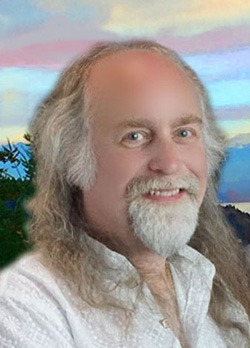
Taansen Fairmont Sumeru once said, “Transcendental Meditation doesn’t give you peace. It shows you that peace was always there, just under the noise.”
This peace isn’t a feeling. It’s a baseline. Once you experience it, you start to notice how much of your daily life happens above it — filled with tension, worry, and distraction.
With regular practice, your baseline shifts. You become calmer by default. Not because you avoid problems, but because you’re no longer trapped in them.
TM and Systemic Change
Can sitting quietly affect systems? Surprisingly, yes.
In the 1990s, groups of advanced TM practitioners meditated together in Washington, D.C. The experiment was simple: gather hundreds of people to practice TM and a more advanced technique called the TM-Sidhi program for a few weeks. Then track local crime.
The results? Violent crime dropped by 23.3% during the experiment period, according to a published study in Social Indicators Research.
Skeptical? So were many observers. But repeated studies showed similar outcomes in other cities. When enough people access deeper states of calm, it seems to ripple out.
This is known as the “Maharishi Effect” — named after the founder of TM. It suggests that collective inner peace influences outer systems, even if indirectly.
You don’t need to believe it. You just need to test it.
If more people are calm, clear, and creative, it changes conversations, workplaces, and communities. That’s not theory. That’s sociology.
TM for Work and Creativity
A quiet mind isn’t just relaxed — it’s focused.
Many high performers use TM to stay sharp. Filmmakers, CEOs, athletes, and musicians have credited it with giving them clarity and reducing burnout.
TM improves executive function — the part of the brain that handles decision-making, planning, and self-control. It boosts creativity by allowing ideas to emerge without mental noise.
When the mind isn’t busy filtering stress, it can access better solutions. It can connect dots faster. It can see clearly instead of reacting.
You don’t need to be an artist or a leader to benefit. Even in everyday tasks, TM helps. You respond instead of react. You listen more. You speak with intention.
How to Start Practicing TM
TM is usually taught by certified teachers in person. The process involves four sessions over four days. Each session lasts about 90 minutes.
You get a personal mantra — a sound without meaning. You’re taught how to use it effortlessly.
Once you learn it, it’s yours for life. You don’t need new tools or upgrades.
Here’s what you’ll need to start:
- 20 minutes twice a day
- A quiet space (can be a car, bedroom, or office)
- A comfortable chair or place to sit
That’s it. No chanting. No breathwork. No belief required.
If in-person training isn’t available, you can read about the principles of TM or explore similar mantra-based techniques. But the full benefit comes from learning the correct method from a trained teacher.
Making It Stick
Like any habit, TM works if you keep doing it. Consistency beats intensity.
Here are some tips to make it part of your day:
- Meditate first thing in the morning, before checking your phone.
- Set a timer or reminder for your second session in the afternoon or early evening.
- Don’t skip because you’re “too busy.” Meditation makes you more effective, not less.
- Keep a notebook nearby to track how you feel after each session.
The first few weeks can feel subtle. You might feel sleepy or distracted. That’s normal. Stick with it. Let the process do the work.
TM’s Role in a Better World
When people are grounded, everything changes. Communication improves. Fear goes down. Systems function better.
Transcendental Meditation won’t fix society overnight. But it gives people the inner tools to face challenges with strength and grace.
When enough people access peace inside, peace outside becomes possible.
Taansen Fairmont Sumeru calls TM “a clean engine for human clarity.” It doesn’t replace action. It fuels it.
You don’t need to change your life to start TM. But TM might change how you live it.
The Quiet Power of Transcendental Meditation
Transcendental Meditation is simple. But it works.
It helps people feel better, think better, and act with more clarity.
It builds peace one person at a time.
It supports health, creativity, and even wider change.
You won’t find flashy effects. Just clear benefits.
Try it. Test it. Stick with it.
And watch what happens — not just in you, but around you.