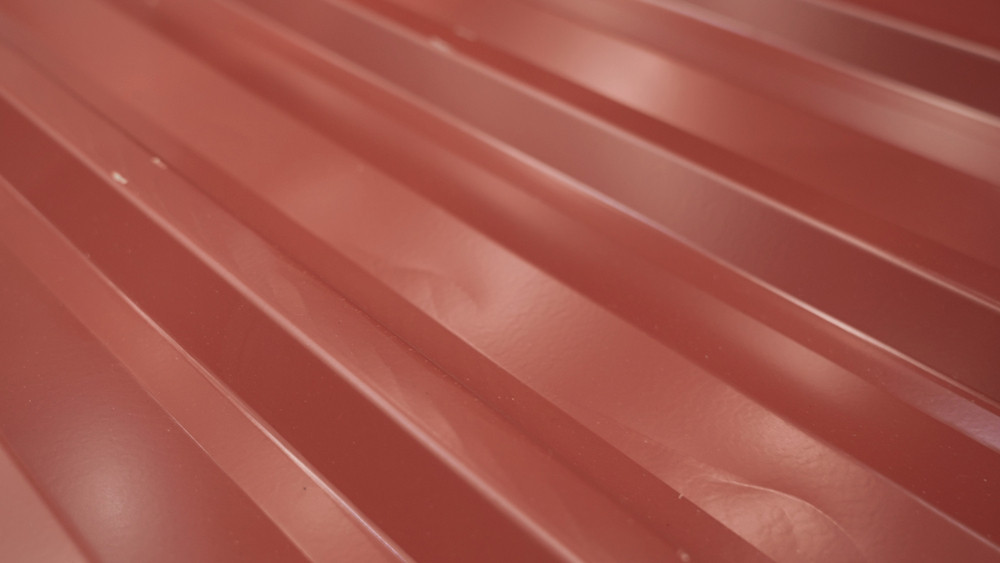
Choosing the right roofing material for your home is a crucial decision. It affects not only the aesthetic appeal of your house but also its energy efficiency and overall cost of maintenance. In this article, we will delve into the facts surrounding metal roofing, highlighting its benefits and any potential drawbacks.
Energy Efficiency of Metal Roofing
When it comes to energy savings, metal roofing emerges as a front-runner. It’s reported by authoritative home improvement resources like This Old House that metal roofs offer significant savings, cutting your energy costs by as much as 40% annually. These savings are primarily due to the reflective properties of metal surfaces, which reduce the amount of heat that enters a house.
Metal roofs are engineered to reflect solar heat, thereby minimizing cooling costs. During the summer, this can result in less reliance on air conditioning systems, promoting an eco-friendly lifestyle. Moreover, the energy efficiency of metal roofing not only benefits homeowners but also contributes positively to the environment by reducing carbon emissions.
For homeowners considering sustainability, energy-efficient roofing is a key factor. Metal roofing can enhance the comfort of any home by maintaining more consistent indoor temperatures. This can be particularly advantageous in regions with wide temperature fluctuations.
The Cost of Metal Roofing
Investing in a new roof is a significant expense for any homeowner. According to Bob Vila, one of the most reputed online home improvement resources, the average cost of a roof replacement, irrespective of the material, is estimated at $9,072. Metal roofs can be more expensive upfront compared to traditional options like asphalt shingles, but their durability often justifies the higher initial cost.
Despite the higher initial investment, the long-term benefits of a metal roof can provide peace of mind. With the potential for lower energy bills and fewer repairs or replacements needed over the years, the cost-effectiveness of metal roofing becomes evident over time. Cost savings in maintenance and energy use together create a strong case for metal as a financially savvy choice.
Moreover, metal roofs can increase the resale value of a home due to these benefits. Prospective buyers often appreciate the durability and energy efficiency, making metal roofing an attractive feature. Thus, while the upfront costs might be steep, the return on investment could be considerable in the long run.
Longevity and Durability
When it comes to longevity, metal roofing is unmatched. Depending on the type of metal used, they can last anywhere between 40 to 70 years. In contrast, traditional asphalt roofing materials usually have a life expectancy of approximately 12 to 20 years, potentially requiring multiple replacements over a homeowner’s lifetime.
Metal roofs are known for their ability to withstand harsh weather conditions, from heavy snow to high winds. This kind of durability reduces the need for frequent repairs, keeping maintenance costs low. Metal roofing materials are also resistant to corrosion and cracking, ensuring a longer life span.
The durability of metal roofing protects a home over decades, providing homeowners with confidence in their investment. Its resilience to environmental stressors is one of the reasons it continues to gain popularity in various climates. For homeowners in areas prone to extreme weather, metal roofing offers a reliable solution that asphalt and other materials cannot match.
In conclusion, opting for a metal roof brings multiple advantages that appeal to the modern homeowner. While it requires a higher initial investment, the benefits of superior energy efficiency, longevity, and cost-saving potential make it an appealing choice. By making an informed decision about roofing materials, homeowners can enhance their home’s comfort while providing a significant reduction in energy costs and minimizing the impact on the environment.