| Topic | Key Point |
| What implants replace | Missing teeth with stable, natural-looking alternatives |
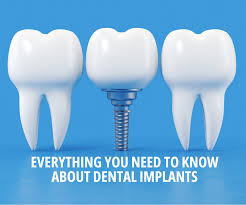
| Core components | Titanium post, abutment, crown |
| Benefits | Durability, bone preservation, realistic appearance |
| Who qualifies | Those with healthy gums and adequate bone |
| Procedure steps | Consultation, placement, healing, restoration |
| Maintenance | Daily cleaning and routine dental visits |
| Implant types | Full, single, and multiple replacements |
| Risks | Infection, implant failure, nerve injury |
The Basics of Dental Implants
Dental implants are artificial tooth roots designed to provide a strong foundation for replacement teeth. They are typically made from titanium, a material known for its compatibility with human bone. Once implanted, the post fuses with the jawbone, ensuring stability and support for the attached crown or bridge. Unlike removable dentures, implants remain fixed in place, offering the function and feel of natural teeth. This approach restores chewing ability, prevents bone loss, and maintains facial structure.
Exploring Implant Options
There are several types of implants to address varying needs. The choice depends on factors such as the number of teeth missing, jawbone condition, and budget considerations. Patients often explore these main options:
- Single Tooth Implant – Replaces one missing tooth with an individual post and crown.
- Multiple Tooth Implants – Uses two or more posts to support a bridge.
- Overdentures – Dentures that clip or snap onto implants for added security.
- Full Dental Implants – Designed for patients who have lost all teeth in an arch and want a complete, fixed set.
Each option offers a unique balance of stability, aesthetics, and cost, so professional consultation is key.
Benefits That Go Beyond Aesthetics
While appearance is an important factor, dental implants provide advantages that extend to oral and overall health. Their ability to integrate with bone tissue sets them apart from other restorations.
- Bone Preservation – Prevents the shrinkage that follows tooth loss.
- Enhanced Chewing Ability – Restores natural bite strength.
- Speech Improvement – Eliminates slippage and helps with pronunciation.
- Longevity – Can last decades with proper care.
- No Strain on Nearby Teeth – Preserves the structure of adjacent teeth.
These benefits highlight why many dental professionals regard implants as the most comprehensive solution to tooth replacement.
How the Implant Process Works
Those considering Best Dental Implants can expect a multi-step journey tailored to their needs. The process often includes:
- Evaluation and Imaging – Dentists assess gum health, bone density, and bite alignment.
- Treatment Planning – Customized plan outlining the implant type and restoration method.
- Implant Placement – Titanium post inserted into the jaw under anesthesia.
- Healing Period – Bone integrates with the post, a stage known as osseointegration.
- Abutment Connection – Intermediate component attached to hold the crown.
- Final Restoration – Crown, bridge, or denture affixed for a complete smile.
Timelines vary, but the focus is always on ensuring stability before placing the final restoration.
Debunking Common Implant Myths
Misunderstandings about dental implants can deter people from considering them, even when they might be the ideal solution.
- Myth: Implants are very painful – Modern anesthesia and aftercare minimize discomfort.
- Myth: They require unusual cleaning tools – Standard brushing and flossing are typically sufficient.
- Myth: Only older adults qualify – Candidacy depends on health, not age.
- Myth: They always look artificial – Skilled craftsmanship creates results that are nearly indistinguishable from natural teeth.
Understanding these realities can help patients make decisions based on facts rather than fear.
Factors That Influence Success
The overall success rate for implants is high, but outcomes depend on several variables. Strong oral hygiene, regular check-ups, and a healthy lifestyle all contribute to implant longevity.
Other factors include:
- Smoking – Reduces blood flow and slows healing.
- Chronic Conditions – Issues like diabetes must be well managed.
- Jawbone Health – Adequate density ensures stability.
- Bite Alignment – Prevents uneven pressure on the implant.
Knowing these factors allows patients to work with their dentist to optimize results.
Caring for Implants Over the Long Term
After surgery, gentle care is essential for proper healing. This means avoiding tough or sticky foods, rinsing with recommended solutions, and attending follow-up visits. Once fully integrated, implants can be maintained much like natural teeth.
An effective care routine includes:
- Brushing twice daily with non-abrasive toothpaste.
- Flossing with implant-safe tools or techniques.
- Using antibacterial mouth rinses if advised.
- Scheduling cleanings every six months.
Commitment to this regimen ensures that implants remain functional and aesthetically pleasing for years.
Understanding Risks and How to Reduce Them
As with any surgical procedure, dental implants carry potential risks, though complications are rare. Infection, implant loosening, nerve damage, and sinus problems can occur, especially if care instructions are not followed. Patients can lower risk by selecting an experienced dentist, maintaining excellent oral hygiene, and promptly addressing any discomfort or unusual changes in the implant area.
Conclusion
Dental implants represent a highly effective solution for replacing missing teeth, offering both functional and health-related benefits. They preserve bone structure, improve oral stability, and deliver results that blend naturally with existing teeth. While the process takes time and requires dedication to care, the long-term payoff in oral health and quality of life makes the investment worthwhile.