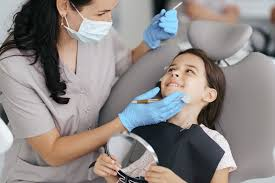
You might be feeling a quiet worry every time your child says their tooth hurts, or when you notice they are already nervous about going to the dentist. Maybe you are doing your best with brushing and limiting sugar, yet you still wonder if it is enough and whether you should find a North Scottsdale dentist for your family. You want your child to grow up with a healthy, confident smile, and you do not want painful surprises or expensive emergency visits down the road.end
If that sounds familiar, you are not alone. Many parents feel caught between “just hoping for the best” and not really knowing what more they can do. The good news is that modern preventive dental care for kids gives you several simple tools that quietly protect your child’s teeth in the background while you focus on everyday life.
In plain terms, here is the big picture. Regular checkups, cleanings, fluoride treatments, and sealants work together to fight cavities before they start, guide healthy development, and ease fear around dental visits. When used consistently, these services often mean fewer fillings, less pain, and lower long term costs. So where does that leave you today?
Why does children’s preventive dentistry matter so much right now?
It can be tempting to think, “They are just baby teeth, they will fall out anyway.” Because of that, many families delay visits to a general dentist until there is a visible problem. By then, the child may already be in pain, and the first experience of dental care is tied to fear, shots, and rushing.
The challenge is that untreated tooth decay is not just an inconvenience. It can affect how a child eats, sleeps, speaks, and learns. The Centers for Disease Control and Prevention notes that cavities are one of the most common chronic conditions in children, and they can cause missed school days and trouble concentrating. You can read more about that connection in this CDC overview of oral health and school performance.
On top of that, dental treatment for advanced decay is often more complex and more expensive than preventive care. A small cavity that might have been avoided with sealants or fluoride can turn into a crown or even an extraction. That means more time off work for you, more visits for your child, and more stress all around.
So what changes when you use structured children’s preventive dentistry instead of waiting for problems?
First, your child’s mouth is monitored as they grow, which means issues are caught when they are small. Second, habits like brushing, flossing, and smart snacking are reinforced by another trusted adult. Third, your child learns that a dental visit is usually quick, gentle, and routine, not a scary event that only happens when something hurts.
What are the 4 key preventive services that protect kids’ smiles?
Think of preventive services as a safety net. Each one covers a different risk, and together they support strong, healthy teeth. Here are four core services a general dentist can provide.
1. Regular exams and professional cleanings
Routine exams and cleanings are the backbone of children’s oral health care. The American Academy of Pediatric Dentistry recommends that children see a dentist regularly from the time the first tooth appears, usually every six months, though timing can vary with individual needs. You can review those guidelines in the AAPD’s schedule for
During these visits, the dentist or hygienist gently removes sticky plaque and hardened tartar that brushing and flossing at home might miss. They also check for early cavities, gum inflammation, and any issues with how the teeth and jaws are growing.
Why this matters. Small problems do not stay small forever. Catching a cavity early often means a tiny filling instead of a more invasive treatment later. Regular cleanings also help keep gums healthy and reduce bad breath, which can affect a child’s confidence.
2. Fluoride treatments to strengthen enamel
Fluoride is a natural mineral that hardens tooth enamel and makes it more resistant to acid attacks from bacteria and sugary foods. In the office, fluoride can be applied as a varnish, gel, or foam during a routine visit. It takes only a few minutes and is painless.
For many children, especially those at higher risk for cavities, in-office fluoride is an important extra layer of protection beyond toothpaste. The CDC shares simple guidance on using fluoride at home and at the dentist as part of its
Why this matters. Think of fluoride as a shield that helps repair early damage before a cavity forms. It is especially helpful if your child loves snacks or drinks that are sugary or sticky, or if brushing is still a work in progress.
3. Dental sealants for cavity prone back teeth
The chewing surfaces of the back teeth have tiny grooves where food and bacteria hide. Even careful brushing can miss these spots. Dental sealants are thin protective coatings that a dentist paints into those grooves. Once hardened, they act as a barrier that keeps decay causing bacteria away from the enamel.
Sealants are most often placed on permanent molars soon after they come in. They are quick to apply, do not require numbing, and are usually very well tolerated by children.
Why this matters. Research shows that sealants can reduce the risk of cavities in molars for many years. For a child who struggles with brushing or has a sweet tooth, sealants can make the difference between a healthy molar and one that needs a filling or crown before high school.
4. Early guidance on habits, diet, and growth
A good general dentist for children does more than treat teeth. They coach you and your child on daily habits that protect oral health. This might include showing your child how to brush effectively, suggesting age appropriate flossing tools, or talking through which snacks are kinder to teeth.
The dentist also keeps an eye on jaw growth and tooth alignment. If they see early signs that teeth may crowd or the bite may not line up, they can recommend timely referrals or simple interventions that are often easier than waiting until the teen years.
Why this matters. Small adjustments in daily routines often prevent bigger problems. Clear guidance helps you feel less alone in trying to “figure it out” and gives your child a consistent message from home and from the dental office.
How do these preventive services compare to a “wait and see” approach?
You might still be wondering how much difference preventive care really makes, especially if your child has not had any obvious problems yet. It can help to see the contrast.
| Approach | Short term impact on your child | Long term impact on health and cost |
| Consistent preventive visits and treatments | Mostly quick, low stress visits. Child learns that dental care is routine, not scary. | Lower risk of cavities, fewer emergencies, and often lower total cost over the years. |
| “Wait until something hurts” approach | Fewer early visits, but first visit may involve pain, shots, or urgent treatment. | Higher chance of advanced decay, missed school, and more complex, costly procedures. |
| Good home care without professional support | Helpful, but difficult to spot hidden problems or remove tartar at home. | Some children stay cavity free, but others develop issues that could have been caught sooner. |
Seeing the comparison, you can decide what balance makes sense for your family. The aim is not perfection. It is steady, realistic protection that fits into your everyday life.
What can you do right now to support your child’s oral health?
Knowing the options is helpful, but you may be wondering what to actually do next. Here are three practical steps you can take.
1. Schedule a preventive visit and ask about a personalized plan
If your child has not seen a dentist in the last six to twelve months, start by booking a checkup with a trusted general dentist who sees children regularly. During the visit, ask specific questions. For example, “Is my child at low, medium, or high risk for cavities?” and “Which preventive services do you recommend for my child this year, and why?”
2. Strengthen home routines with simple, clear rules
Set a predictable routine. Two minutes of brushing with fluoride toothpaste in the morning and at night, plus daily flossing once teeth touch. Keep sugary drinks and snacks to set times instead of all day grazing. You do not need to be perfect. Aim for consistency most days, and involve your child by letting them choose their toothbrush or a favorite song to time brushing.
3. Watch for early warning signs and respond early
Pay attention to small signals. Complaints of sensitivity, avoiding certain foods, white or brown spots on teeth, or persistent bad breath. These do not always mean serious problems, but they are a reason to check in with the dentist sooner rather than later. Early visits are almost always easier on your child and your wallet than urgent ones.
Moving forward with more confidence and less worry
You care deeply about your child’s health, and it can feel heavy to add “perfect teeth” to the list of things you are supposed to manage. The truth is, you do not need perfection. You need a simple, steady plan and a dental team who supports you along the way.
By using preventive services like exams, cleanings, fluoride, and sealants, you give your child a strong head start. You reduce the chances of painful surprises, protect their ability to eat and learn comfortably, and help them grow up seeing dental care as normal and safe.
The next step is small. Choose a general dentist who welcomes children, schedule that preventive visit, and ask for clear guidance tailored to your child. One calm, informed choice at a time is more than enough to protect your child’s smile for years to come.