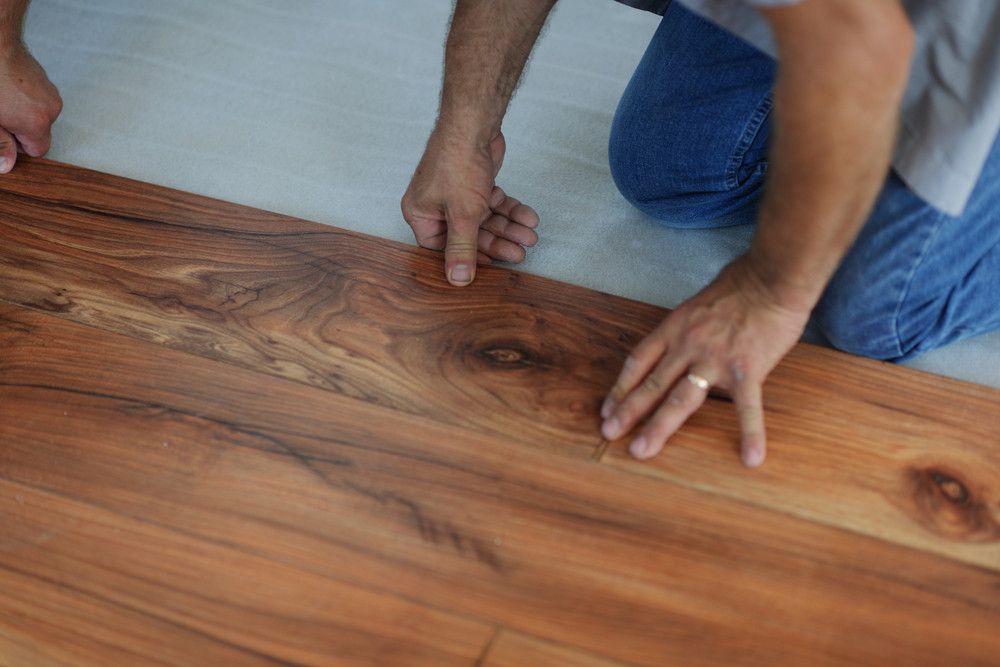
Installing new flooring can make a major difference in the appearance and comfort of a home. Whether homeowners choose carpet, hardwood, tile, laminate, or another material, new floors can make rooms feel cleaner, brighter, and more updated.
However, installing new flooring is only the beginning. Regular cleaning and maintenance are important for protecting that investment and helping floors continue to look their best. Dirt, moisture, spills, pet hair, and everyday foot traffic can gradually affect flooring materials if they are not properly cared for.
New Flooring Is a Common Home Improvement
Flooring projects remain a popular way for homeowners to update their living spaces and improve the overall appearance of a property.
According to Dumpsters, 37% of homeowners completed a flooring project in the last year. After investing time and money into new flooring, homeowners should also have a plan for keeping it clean. Different flooring materials have different maintenance requirements, but routine cleaning is important for virtually every type.
Establishing good cleaning habits from the beginning can prevent dirt and debris from accumulating and make long-term maintenance much easier.
Regular Cleaning Helps Prevent Scratches and Wear
Even small amounts of dirt can cause damage over time. Sand, grit, and other debris may become trapped underneath shoes and furniture, where they can scratch or dull hard flooring surfaces.
Regular sweeping, vacuuming, and appropriate mopping can remove these particles before they have an opportunity to create noticeable wear.
High-traffic areas may require more frequent attention than rooms that are used less often. Entryways, kitchens, hallways, and living rooms typically collect dirt more quickly because people move through them throughout the day.
Using doormats and removing shoes at entrances can also reduce the amount of debris brought onto new floors.
Carpet Needs Regular Professional Cleaning
Vacuuming is essential for routine carpet care, but it may not remove everything that settles deep within the fibers. Over time, dirt, dust, and other materials can accumulate below the surface.
According to HomeAdvisor, carpets should be professionally cleaned every 12 to 18 months to maintain their appearance.
Professional cleaning can remove deeply embedded dirt that ordinary vacuuming may leave behind. It may also help restore the appearance of carpet fibers in areas that receive heavy foot traffic.
Homeowners should still vacuum regularly between professional cleanings. Promptly addressing spills and stains can also help prevent discoloration from becoming permanent.
Proper Drying Is Important After Carpet Cleaning
Cleaning carpet involves introducing moisture into the flooring, which makes proper drying an important part of the process.
According to Angi, depending on the thickness of the carpet, it can take anywhere from 4 to 12 hours for carpet to dry with a fan. Homeowners should give carpet enough time to dry before returning furniture or allowing significant foot traffic in the area. Walking across damp carpet can transfer dirt onto freshly cleaned fibers, while replacing furniture too soon may slow the drying process.
Fans and good ventilation can help move air throughout the room. When appropriate, opening windows or using air conditioning can also support the drying process.
Cleaning Helps Preserve the Appearance of Hardwood
Hardwood flooring can remain attractive for many years when properly maintained. However, dust, grit, spills, and excessive moisture can affect both the finish and the wood underneath.
Routine sweeping or vacuuming helps remove abrasive debris. Spills should generally be wiped up quickly so moisture does not remain on the surface longer than necessary.
Homeowners should also use cleaning products designed for their specific type of hardwood flooring. Harsh products or excessive water may damage certain finishes.
Furniture pads can provide additional protection by preventing chairs, tables, and other heavy objects from scratching the floor when they move.
Tile and Grout Require Consistent Care
Tile is known for durability, but regular cleaning is still important. Dirt can collect along grout lines, while spills may leave stains if they are ignored.
Sweeping or vacuuming can remove loose debris before mopping. Homeowners should also periodically pay attention to grout, which may require more focused cleaning than the tile itself.
Bathrooms and kitchens can need additional care because flooring in these areas is frequently exposed to water, food, grease, and other substances.
Cleaning spills promptly can help keep both tile and grout looking newer.
The Right Cleaning Products Matter
Using the wrong cleaner can sometimes cause more harm than leaving a floor slightly dirty.
Different materials react differently to chemicals and moisture. A cleaner designed for ceramic tile, for example, may not be appropriate for natural stone or hardwood.
Homeowners should follow the flooring manufacturer’s care recommendations whenever possible. Product labels should also be checked before applying a new cleaner to an entire floor.
Testing a product in a small, inconspicuous area can be useful when homeowners are uncertain about how a material will react.
Pay Special Attention to High-Traffic Areas
Some parts of a home naturally experience more wear than others. Areas near exterior doors, kitchens, hallways, and frequently used living spaces may require more frequent cleaning.
Waiting until the entire floor looks dirty can allow grime to build up in these locations.
Homeowners can create a cleaning schedule based on how each room is used. Frequently traveled areas may need to be vacuumed or swept several times per week, while less frequently used rooms may need attention less often.
Adjusting the schedule to match the household’s actual habits can make floor care more efficient.
Clean Spills as Quickly as Possible
Spills can happen on any type of flooring, but responding quickly can reduce the possibility of permanent damage.
Liquid may stain carpet, seep between flooring boards, discolor grout, or create slippery surfaces. Some substances can also become much harder to remove after they dry.
Homeowners should blot carpet spills rather than aggressively scrubbing them, which can spread the substance farther into the fibers. On hard flooring, excess liquid should generally be removed promptly using methods appropriate for the material.
Keeping basic cleaning supplies nearby can make it easier to deal with spills as soon as they occur.
Regular Maintenance Can Extend the Life of Flooring
New flooring is an investment that homeowners naturally want to protect. Consistent maintenance can reduce unnecessary wear and help materials continue performing as intended.
In addition to cleaning, homeowners may need to periodically reseal certain flooring, refresh grout, schedule professional carpet cleaning, or address damaged areas.
Small maintenance tasks are often easier and less expensive than replacing flooring that has been neglected for years.
Protect New Floors With Consistent Cleaning
New floors can transform the appearance of a home, but keeping them looking new requires ongoing care. Dirt, spills, moisture, and foot traffic can gradually affect almost any flooring material.
Regular sweeping, vacuuming, mopping, spot cleaning, and professional services when appropriate can help protect flooring from premature wear. Homeowners should also follow care instructions designed specifically for their flooring type.
By developing a consistent cleaning routine from the beginning, homeowners can protect their investment and enjoy attractive floors for years to come.