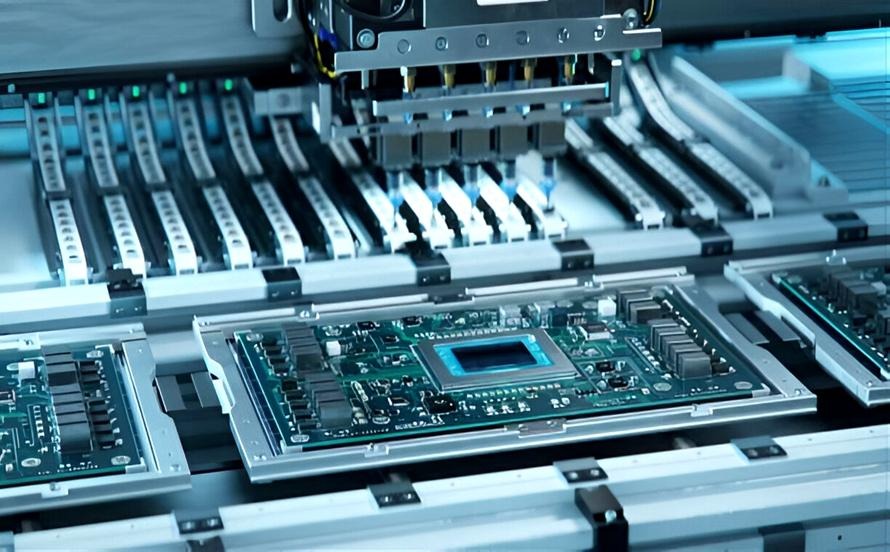
As electronic devices become more powerful and compact, efficient heat dissipation has become one of the most important challenges in printed circuit board design. Applications such as LED lighting, automotive electronics, industrial power systems, telecommunications equipment, and renewable energy devices generate significant amounts of heat during operation. Excessive temperatures can reduce component lifespan, affect electrical performance, and increase the risk of system failure. To overcome these challenges, manufacturers increasingly rely on the Metal Core PCB, a specialized circuit board designed to provide superior thermal management.
Unlike conventional FR4 circuit boards, a Metal Core PCB incorporates a metal base layer, typically aluminum or copper, that rapidly transfers heat away from electronic components. This improved thermal conductivity helps maintain stable operating temperatures while increasing product reliability and extending component life. As thermal management becomes increasingly critical in modern electronics, Metal Core PCBs have become a preferred solution for high-power applications.
Because manufacturing these specialized circuit boards requires advanced materials, precision fabrication, and strict process control, working with experienced Metal Core PCB Manufacturers is essential for achieving consistent quality and reliable performance.
This article explains what a Metal Core PCB is, how it is manufactured, its advantages, applications, and why selecting the right manufacturing partner is important.
What Is a Metal Core PCB?
A Metal Core PCB is a printed circuit board that uses a metal substrate instead of the traditional fiberglass base found in standard PCBs. The metal core serves as an efficient heat spreader, allowing thermal energy generated by electronic components to dissipate quickly throughout the board.
Most Metal Core PCBs are manufactured using aluminum because it offers an excellent combination of thermal conductivity, lightweight construction, corrosion resistance, and affordability. Copper core boards are also used in applications requiring even higher thermal performance, while steel substrates may be selected for specialized industrial environments.
A typical Metal Core PCB consists of three primary layers. The top layer contains the conductive copper circuitry, the middle dielectric layer provides electrical insulation while transferring heat, and the bottom metal core acts as the primary heat dissipation structure.
This unique construction enables the circuit board to support high-power electronic components while maintaining reliable operating temperatures.
Why Metal Core PCBs Are Important
Many modern electronic systems generate substantial heat during operation. High-power LEDs, power converters, automotive control modules, and industrial motor drives all require efficient thermal management to maintain performance and reliability.
A Metal Core PCB significantly improves heat transfer compared to conventional fiberglass circuit boards. The metal substrate rapidly conducts heat away from heat-generating components, reducing localized hot spots and preventing excessive operating temperatures.
Improved thermal performance helps extend component lifespan by minimizing thermal stress and reducing temperature-related degradation. Lower operating temperatures also improve electrical stability and reduce the likelihood of premature component failure.
In addition, effective heat dissipation allows engineers to design more compact electronic products without compromising reliability. This has become increasingly important as manufacturers continue developing smaller yet more powerful electronic systems.
These advantages make Metal Core PCBs an essential technology for applications requiring dependable thermal management.
The Metal Core PCB Manufacturing Process
Manufacturing a Metal Core PCB begins with a detailed Design for Manufacturability (DFM) review. Engineers evaluate thermal requirements, copper thickness, dielectric properties, PCB layout, component placement, and manufacturing tolerances before production begins.
The process starts by preparing the metal substrate, typically aluminum or copper, which is carefully cleaned and treated to ensure proper bonding. A thermally conductive dielectric layer is then applied to provide electrical insulation while allowing efficient heat transfer between the copper circuitry and metal core.
Copper foil is laminated onto the dielectric layer before precision photolithography transfers the circuit pattern onto the copper surface. Chemical etching removes unwanted copper, leaving only the required conductive traces.
Drilling creates mounting holes and vias where necessary, followed by surface finishing, solder mask application, and silkscreen printing to complete the board.
Every finished Metal Core PCB undergoes detailed inspection and electrical testing to verify dimensional accuracy, circuit continuity, insulation performance, and overall manufacturing quality before shipment.
Advantages of Metal Core PCB Technology
One of the greatest advantages of a Metal Core PCB is its exceptional thermal conductivity. The metal substrate efficiently transfers heat away from electronic components, reducing operating temperatures and improving overall system reliability.
Another major benefit is enhanced mechanical strength. The rigid metal base provides excellent structural stability, allowing the circuit board to withstand vibration, mechanical stress, and harsh operating environments.
Metal Core PCBs also improve product lifespan by reducing thermal fatigue in solder joints and electronic components. Stable operating temperatures minimize material expansion and contraction during repeated thermal cycles.
The superior heat dissipation capability allows engineers to use higher-power components within more compact product designs, supporting greater functionality without increasing overall system size.
Additionally, metal core construction offers improved dimensional stability, corrosion resistance, and long-term durability, making these circuit boards suitable for demanding industrial and outdoor applications.
Applications of Metal Core PCBs
Metal Core PCBs are widely used across industries where efficient thermal management is critical. LED lighting manufacturers rely on these circuit boards for street lighting, architectural lighting, automotive lighting, stage lighting, and high-brightness display systems where heat dissipation directly influences performance and lifespan.
Automotive manufacturers incorporate Metal Core PCBs into engine control units, electric vehicle power electronics, battery management systems, lighting modules, motor controllers, and onboard charging systems that generate substantial heat during operation.
Industrial automation equipment uses these circuit boards in motor drives, power supplies, inverters, welding equipment, factory automation systems, and industrial controllers requiring dependable thermal performance.
Renewable energy systems utilize Metal Core PCBs in solar inverters, wind energy controllers, battery storage systems, and power conversion equipment where continuous operation generates significant thermal loads.
Telecommunications infrastructure, medical devices, aerospace electronics, railway systems, military equipment, and consumer power electronics also benefit from the excellent thermal characteristics provided by Metal Core PCB technology.
Why Choosing Experienced Metal Core PCB Manufacturers Matters
Producing Metal Core circuit boards requires specialized engineering expertise and advanced manufacturing capabilities. Experienced Metal Core PCB Manufacturers understand how substrate materials, dielectric properties, thermal conductivity, copper thickness, and fabrication processes influence overall PCB performance.
Professional manufacturers perform detailed Design for Manufacturability analysis before production begins, helping customers optimize PCB layouts, thermal management strategies, manufacturing tolerances, and production efficiency.
Modern manufacturing facilities equipped with laser direct imaging systems, automated optical inspection, CNC drilling equipment, electrical testing systems, X-ray inspection, and intelligent manufacturing technologies ensure consistent product quality throughout every stage of production.
Experienced manufacturers also maintain strict process control during dielectric lamination, copper bonding, drilling, and inspection, helping reduce manufacturing defects while ensuring reliable long-term performance.
Working with knowledgeable manufacturers significantly improves product quality, manufacturing efficiency, and thermal reliability.
Quality Assurance in Metal Core PCB Manufacturing
Quality assurance is especially important because Metal Core PCBs are frequently used in high-power and mission-critical applications. Manufacturers inspect incoming materials before monitoring every production stage to ensure dimensional accuracy, thermal performance, and manufacturing consistency.
Automated Optical Inspection identifies fabrication defects including open circuits, short circuits, incorrect trace dimensions, and missing copper features. Electrical testing verifies circuit continuity, insulation resistance, and overall functionality before shipment.
Additional quality evaluations often include thermal conductivity verification, solderability testing, mechanical strength analysis, dimensional inspection, thermal cycling, and environmental reliability testing to ensure long-term operational stability.
Leading manufacturers maintain internationally recognized certifications such as ISO 9001, IPC standards, UL certification, IATF 16949 for automotive electronics, ISO 13485 for medical devices, and RoHS compliance. These certifications demonstrate adherence to globally recognized manufacturing and quality management standards while ensuring dependable Metal Core PCB production.
Conclusion
The Metal Core PCB has become an essential solution for modern electronic products requiring superior thermal management, mechanical durability, and long-term reliability. Its ability to efficiently dissipate heat makes it the preferred choice for LED lighting, automotive electronics, industrial automation, renewable energy systems, telecommunications equipment, aerospace technology, and many other high-power applications.
Choosing experienced Metal Core PCB Manufacturers ensures access to advanced materials, precision manufacturing technologies, and comprehensive quality assurance processes. As electronic devices continue to become more powerful and compact, Metal Core PCB technology will remain a critical foundation for developing reliable, high-performance products capable of meeting the growing thermal demands of today’s electronics industry.