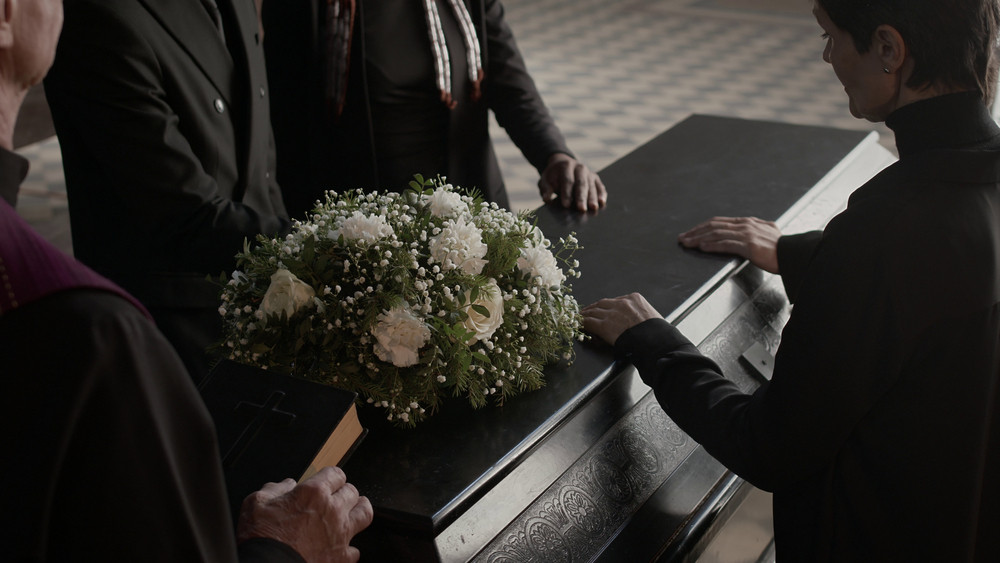
Death is a natural part of life, yet discussing and preparing for it often seems daunting. However, by preparing for a funeral, individuals can alleviate future stress and ensure their wishes are honored. In this article, we explore when it’s appropriate to start planning and the significance of making arrangements in advance.
Understanding the Ideal Timing for Funeral Planning
Deciding when to plan a funeral is personal, but many find that earlier planning offers numerous benefits. It relieves the emotional and financial burden on family members, allowing them to focus on celebrating life when the time comes. Additionally, it grants individuals the chance to make choices that reflect their values and desires.
Approaching the subject of funeral preparations can lead to healthy discussions among family and friends, fostering a stronger support network. According to PR Newswire, 69% of adults are at least somewhat at ease when considering their mortality. This comfort level suggests adults are increasingly open to having these crucial conversations.
Engaging in proactive planning can also ensure well-informed decisions are made, avoiding rushed arrangements during an already emotional period. While there might not be a single right time to start, beginning the process can provide peace of mind and a sense of control over future events. It’s a proactive step towards self-care and maintaining mental health.
The Importance of Financial Preparation in Funeral Planning
Financial preparation plays a critical role in funeral planning. The costs associated with funerals can quickly add up, emphasizing the need for early planning. Understanding potential expenses enables individuals to set aside necessary funds or consider insurance options tailored for these needs.
The death care industry, which includes funeral services, cremations, and related products, is anticipated to see significant growth. US Funerals Online projects this market will expand by more than $40 billion by 2032. This growth underscores the importance of being financially prepared to navigate evolving costs and options.
Individuals planning ahead can explore various packages and services, comparing costs to ensure choices align with budgets and preferences. Having financial strategies in place not only prevents added stress but ensures their end-of-life wishes are respected without imposing financial burdens on loved ones. This foresight can be integral to maintaining economic health for family members left behind.
Personalization and Funeral Preferences
Funeral planning allows individuals the opportunity to personalize their send-off uniquely. Preferences might include the type of service, venue, music, or even the desired atmosphere. By specifying these details in advance, individuals ensure their personality shines through in their final farewell.
Surveys reveal interesting preferences among those considering cremation. Based on findings from the National Funeral Directors Association, about 37.8% of individuals, even those opting for cremation, still express a desire for their ashes to be placed in a cemetery. These statistics highlight the importance of documenting specific wishes to avoid potential misunderstandings.
Discussing preferences also opens dialogue about cultural, religious, or personal beliefs, creating a service that truly honors the individual’s life. Personalization ensures that the event reflects the life lived, creating a meaningful and comforting experience for attendees. This approach supports both emotional and psychological health, offering closure by fulfilling the deceased’s wishes.
Facilitating Family Conversations
Initiating conversations about funeral planning can seem challenging, yet it’s an integral part of family communication. Discussing end-of-life preferences provides clarity for all involved helping to avoid potential disputes or confusion later on. It encourages an open line of communication that can strengthen familial bonds and mutual support.
With 73% of adults indicating comfort discussing their mortality with others, according to PR Newswire, it’s evident that most people are willing to engage in these discussions. Families who talk openly about these topics reduce the stress and uncertainty when the need to implement these plans arises. This proactive dialogue can enhance the mental and emotional health of family members.
Moreover, these conversations help individuals articulate their values and preferences, ensuring that their legacy is honored according to their wishes. By normalizing discussions around death, universally accepted topics like these can be addressed with compassion and empathy. This paves the way for healthy deliberations in making final plans reflective of both the individual’s and family’s values.
Planning a funeral is about more than just making arrangements; it’s an act of love and foresight. It helps secure peace of mind, ensures personal wishes are honored, and relieves future burdens on loved ones. As societal attitudes towards discussing death continue to evolve, preparing for this inevitable part of life becomes not just a necessity but a respectful celebration of life itself.