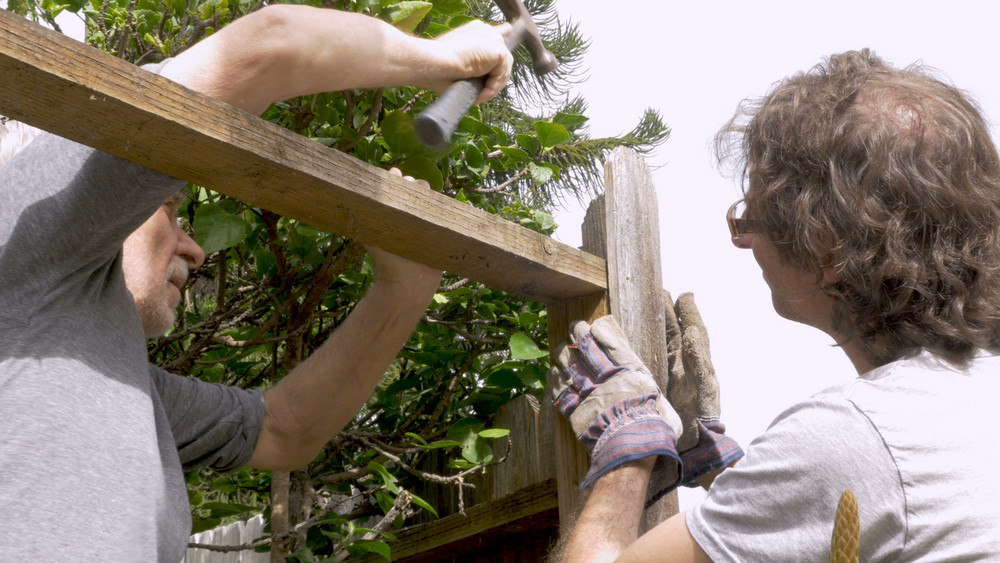
Planning a fence project involves more than choosing a style and picking materials. A well-executed fence adds privacy, security, and curb appeal, but missteps in planning can lead to delays, unexpected costs, or premature wear. Homeowners who understand the time commitment, long-term durability, and financial considerations upfront are better positioned to make informed decisions. Before moving forward, it’s important to evaluate what goes into a fence project from installation through long-term ownership.
Understanding Installation Time and Project Scope
One of the most overlooked aspects of a fence project is the time required for proper installation. While smaller or straightforward layouts may be completed relatively quickly, more complex designs demand additional labor and planning. Industry benchmarks suggest that intricate fence builds often require approximately 6–8 hours of labor for every 100 linear feet. This timeframe accounts for precise measurements, post setting, alignment, and adjustments for terrain or obstructions. For homeowners, this means installation may take more than a single afternoon, especially for larger properties or custom designs. Weather conditions, soil type, and access to the work area can further affect timelines. Understanding realistic installation durations helps set expectations and allows for better coordination with contractors, neighbors, or homeowners’ associations that may require advance notice.
Budgeting for Materials and Installation Costs
Cost is another critical factor that should be addressed early in the planning process. Fence pricing is typically calculated per linear foot, combining both materials and labor. Standard residential fence installations generally fall within a range of $13 to $25 per linear foot, depending on the material selected, site conditions, and design complexity. This range can vary based on factors such as wood species, metal gauge, decorative elements, or gate installations. Homeowners should also account for additional expenses, including permits, old fence removal, and potential repairs to landscaping after installation. Creating a detailed budget that includes both base costs and contingencies helps prevent financial surprises and ensures the project remains aligned with long-term property goals.
Evaluating Long-Term Durability and Maintenance Needs
A fence should be viewed as a long-term investment rather than a short-term upgrade. Durability varies widely by material, but proper care plays a significant role in extending a fence’s lifespan. With consistent maintenance—such as sealing, staining, and addressing minor repairs promptly—a wood fence can remain functional and visually appealing for up to 20 years before major replacement becomes necessary. Maintenance requirements should factor into material selection. While some homeowners prefer low-maintenance options, others are comfortable investing time in upkeep to preserve a natural aesthetic. Understanding the relationship between maintenance and longevity allows homeowners to weigh upfront savings against long-term performance and replacement costs.
Planning for Design, Function, and Property Impact
Beyond time, cost, and durability, a fence must serve its intended purpose effectively. Whether the goal is privacy, security, pet containment, or visual enhancement, the design should align with both functional needs and property characteristics. Fence height, spacing, and placement can affect sightlines, airflow, and even neighbor relations. Local regulations and zoning requirements may also influence design choices. Some municipalities impose restrictions on fence height, materials, or placement near property lines. Checking these requirements early avoids costly modifications later. Thoughtful planning ensures the fence complements the home while meeting practical and regulatory expectations.
A successful fence project begins with informed planning. By understanding realistic installation timelines, anticipating per-foot costs, and recognizing how maintenance influences long-term durability, homeowners can make confident, well-balanced decisions. Taking the time to evaluate these factors before construction starts reduces stress, controls expenses, and results in a fence that delivers value for years to come. With the right preparation, a fence becomes not just a boundary, but a lasting enhancement to the property.