A home’s HVAC system plays an important role in maintaining comfortable indoor temperatures throughout the year. Because heating and cooling equipment represents a significant household investment, homeowners naturally want to get as many years of reliable performance from it as possible.
Fortunately, there are several ways to help reduce unnecessary wear on an HVAC unit. Routine maintenance, timely repairs, regular filter changes, and smart thermostat habits can all contribute to better performance over time. Taking care of the system before problems develop may also help homeowners avoid sudden breakdowns and expensive emergency repairs.
Schedule an Annual AC Tune-Up
Preventive maintenance is one of the most important steps homeowners can take to protect their HVAC equipment.
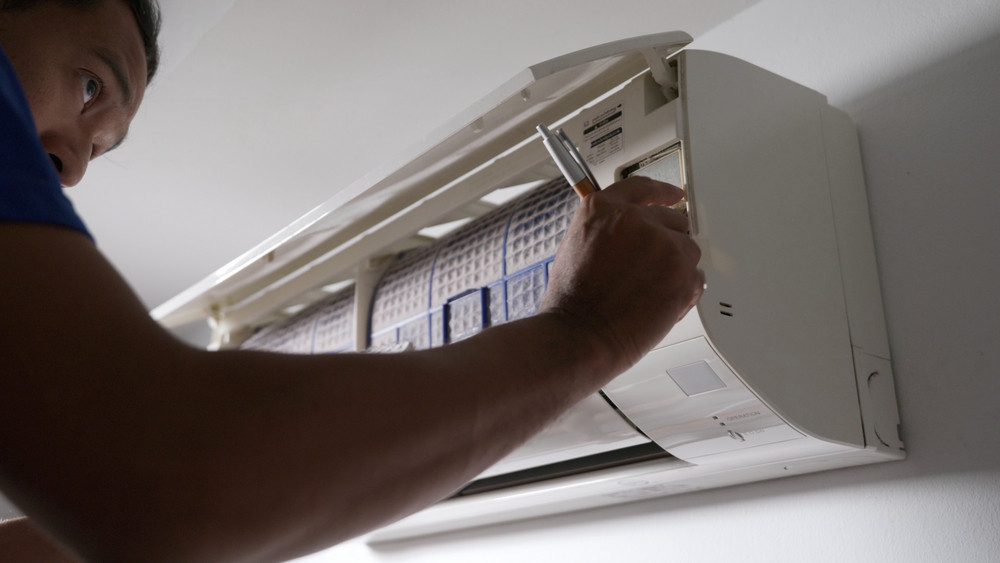
According to Angi, most experts recommend getting an AC tune-up at least once per year. During a professional tune-up, a technician can inspect the system, clean important components, check electrical connections, test performance, and look for signs of wear. Small problems may be easier and less expensive to address when they are identified early.
Annual service can also help ensure the air conditioning system is ready before periods of heavy use. Homeowners may want to schedule maintenance during spring before temperatures rise and the unit begins running for longer periods each day.
Understand the Expected Lifespan of the System
HVAC equipment does not last forever, but proper maintenance can help homeowners get the most out of the system they already have.
According to CNET, you can expect an HVAC system to last anywhere from 15 to 20 years. Actual lifespan can vary depending on the type of equipment, installation quality, climate, usage, and maintenance history. A system that receives regular care may perform reliably for much longer than one that is neglected.
Homeowners with older HVAC units should pay attention to changes in performance. Increasing energy bills, frequent repairs, unusual noises, or difficulty maintaining comfortable temperatures may indicate that the system is approaching the end of its useful life.
Change HVAC Filters Regularly
One of the simplest maintenance tasks homeowners can perform is replacing or cleaning the HVAC filter.
Filters capture dust, pet hair, and other particles before they can circulate through the system. When a filter becomes clogged, the HVAC unit may have to work harder to move air throughout the home.
The appropriate replacement schedule depends on the type of filter, the household, and how frequently the system operates. Homes with pets or significant dust may require more frequent filter changes.
Homeowners should check the filter regularly instead of waiting for a problem to appear. Keeping airflow unrestricted can reduce strain on the equipment while also supporting indoor air quality.
Keep the Outdoor Unit Clear
Central air conditioning systems typically include an outdoor unit that needs adequate airflow to operate effectively.
Leaves, grass clippings, weeds, branches, and other debris can accumulate around the equipment. Homeowners should periodically inspect the area and remove materials that could interfere with airflow.
Plants should also be kept far enough away from the unit to prevent them from growing into or against the equipment.
When performing yard work, homeowners should be careful not to damage the unit with lawn equipment. Keeping the surrounding area clean and accessible can also make professional maintenance easier.
Air Conditioning Is a Major Part of American Homes
Cooling equipment is extremely common, which makes proper maintenance relevant to a large portion of homeowners.
According to This Old House, nearly 90% of American households have air conditioning units. With so many homes relying on air conditioning, maintaining these systems becomes especially important during periods of extreme heat. An unexpected breakdown in the middle of summer can quickly create an uncomfortable living environment.
Routine inspections and maintenance can help homeowners identify potential problems before the system is needed most.
Avoid Making the System Work Harder Than Necessary
HVAC systems naturally experience wear as they operate. Homeowners can reduce unnecessary workload by using heating and cooling equipment efficiently.
Setting the thermostat to an extremely low temperature does not necessarily cool the home faster. Instead, it may cause the system to operate for longer periods.
Programmable or smart thermostats can help manage temperatures based on the household’s schedule. Homeowners can reduce heating or cooling when the house is empty and automatically return to a comfortable temperature before everyone comes home.
Even small adjustments can reduce operating time over the course of a season.
Check for Airflow Problems
Poor airflow can make an HVAC system work harder to maintain the desired indoor temperature.
Homeowners should make sure vents and registers are not blocked by furniture, rugs, curtains, or other household items. Closing too many vents may also interfere with how some HVAC systems are designed to operate.
If certain rooms consistently feel warmer or colder than others, there may be an issue involving ductwork, insulation, or system balance.
A professional HVAC technician can evaluate airflow concerns and determine whether repairs or adjustments are necessary.
Pay Attention to Unusual Sounds or Smells
HVAC systems normally produce some sound while operating, but sudden changes should not be ignored.
Grinding, rattling, squealing, or banging noises may indicate loose or worn components. Burning smells or unusual odors can also signal that the system needs attention.
Continuing to operate equipment with a developing mechanical problem can sometimes lead to additional damage.
Homeowners should contact a professional when they notice significant changes in how the system sounds, smells, or performs. Early diagnosis may prevent a relatively small repair from becoming a more expensive one.
Improve the Home’s Energy Efficiency
The condition of the home itself can affect how hard an HVAC system needs to work.
Poor insulation, air leaks, and inefficient windows can allow conditioned air to escape. As a result, the HVAC system may need to operate longer to maintain the thermostat setting.
Sealing obvious air leaks and improving insulation can help reduce heating and cooling demands. Curtains, blinds, and other window treatments may also help control indoor temperatures.
Reducing the amount of conditioned air that escapes can improve comfort while reducing unnecessary stress on HVAC equipment.
Keep Ductwork in Good Condition
Ductwork carries heated and cooled air throughout the home. If ducts are damaged, disconnected, or leaking, some of that conditioned air may never reach the intended rooms.
This can cause the HVAC system to run longer than necessary.
Homeowners who notice unusually dusty rooms, weak airflow, or major temperature differences may want to have their ductwork inspected.
Repairing significant leaks can help the system distribute air more effectively and may reduce the workload placed on heating and cooling equipment.
Do Not Ignore Small Repairs
A minor HVAC problem rarely improves on its own.
Homeowners may be tempted to postpone repairs if the system is still producing heated or cooled air, but continuing to operate damaged equipment may contribute to additional wear.
Problems involving motors, electrical components, refrigerant, thermostats, or drainage systems should be evaluated by qualified professionals.
Addressing issues promptly can help protect other components and reduce the possibility of a complete system breakdown.
Protect Your HVAC Investment With Routine Care
An HVAC system can provide many years of dependable heating and cooling when it receives appropriate maintenance. Homeowners can help extend its life by scheduling annual tune-ups, changing filters, keeping outdoor equipment clear, improving airflow, and addressing repairs promptly.
Efficient thermostat habits and improvements to the home’s insulation and ductwork can also reduce unnecessary strain on the system.
By treating HVAC maintenance as an ongoing responsibility rather than waiting for something to break, homeowners can give their heating and cooling equipment the best opportunity to operate efficiently throughout its expected lifespan.