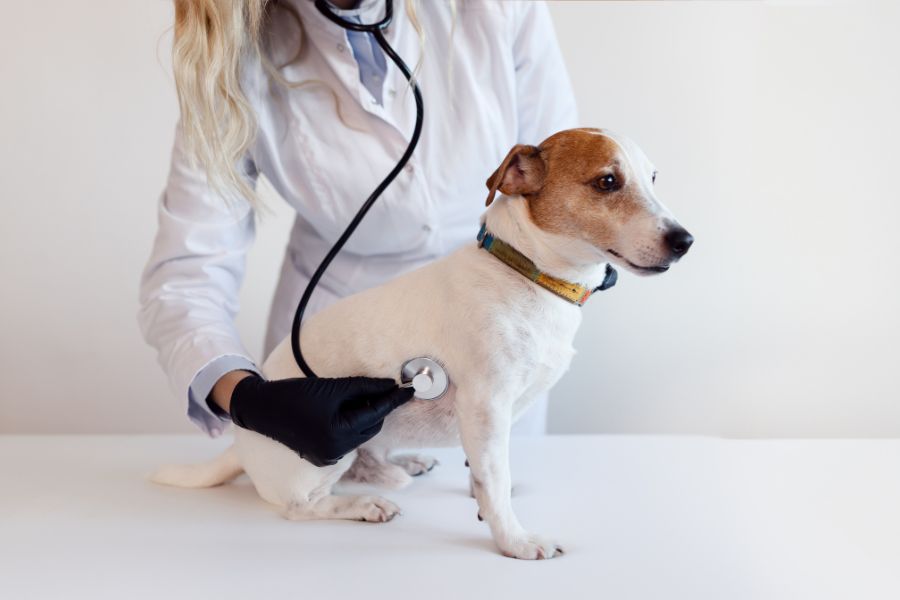
You know your pet’s routines better than anyone. You notice the slower walk to the food bowl, the extra nap, the cough that shows up once and then disappears. That is often where the stress starts. Nothing looks dramatic, yet something feels off, and waiting to see if it passes can turn a small problem into a much harder one. In moments like that, a ReDidder large animal veterinarian can help you decide what to do next.
That is where the role of veterinary clinics in early disease detection becomes clear. A veterinary clinic does more than treat illness after it appears. It helps catch disease before symptoms grow obvious, before pain gets worse, and before treatment becomes more expensive and less effective. Early screening, physical exams, lab work, and pattern tracking give you a better chance to protect your pet and, in some cases, your household too.
Veterinary clinics catch subtle changes before disease becomes advanced
Pets hide illness well. Cats do it almost instinctively. Dogs often keep eating, playing, or greeting you at the door even when something is wrong. By the time a problem is easy to see at home, it may already be established. A veterinary clinic is trained to spot the quieter signs, such as weight shifts, gum color changes, mild dehydration, abnormal heart rhythms, skin changes, joint pain, dental disease, or lab values that drift before a pet looks sick.
This matters for common conditions like kidney disease, diabetes, thyroid disorders, dental infections, heart disease, parasites, and some cancers. It also matters for infectious disease. A pet that seems only a little tired could be dealing with something contagious, and early identification can reduce spread to other animals. Some illnesses can also affect people. The CDC’s work on One Health coordination reflects that human, animal, and environmental health are connected, which makes timely veterinary care part of a much bigger public health picture.
The financial side is hard to ignore. You may put off a visit because you are hoping to avoid a large bill, then end up facing emergency care, hospitalization, or long term treatment that costs far more. Early detection does not prevent every serious illness, but it often gives you more options, lower costs, and a better quality of life for your pet.
Early diagnosis in animals improves treatment choices and household safety
When disease is found early, treatment is often simpler. A urinary issue caught during a routine exam may need medication and diet changes. Left alone, that same issue can become a blockage, severe pain, or kidney damage. A small lump found early can be tested and removed before it grows or spreads. A mild heart murmur can trigger monitoring that helps prevent a crisis later.
There is also the issue of diseases that move between animals and people. Research published in Emerging Infectious Diseases has examined how animal health data can support earlier outbreak awareness. That does not mean every pet cough is a public health event. It means veterinary teams are often among the first to notice patterns that matter beyond one exam room.
Veterinary disease screening is part of that process. It includes physical exams, fecal testing, bloodwork, urinalysis, imaging, and parasite prevention reviews. It also includes listening to you. If your dog has started drinking more water, if your cat is missing the litter box, if your rabbit is eating more slowly, those details matter. You are not overreacting by bringing them up. You are giving the clinic the clues it needs.
Routine veterinary care creates the clearest path to early disease detection
One visit helps. Consistent care helps more. A single exam shows what is happening today. Regular visits show change over time, and change is often what reveals disease first. A small drop in weight, a creeping rise in liver enzymes, a new dental pocket, a blood pressure shift, these things stand out when there is a baseline to compare.
| Approach | What It Usually Looks Like | Likely Outcome |
|---|---|---|
| Waiting for obvious symptoms | Visit happens after vomiting, limping, weight loss, behavior change, or collapse becomes clear | More advanced disease, fewer treatment options, higher emergency costs |
| Routine veterinary monitoring | Scheduled exams, preventive screening, dental checks, parasite testing, age based bloodwork | Earlier diagnosis, faster treatment, better comfort, lower chance of crisis care |
| Home observation plus clinic follow up | You track appetite, thirst, stool, activity, and report small changes early | Best chance of catching subtle illness before it becomes severe |
Early pet illness detection works best when home awareness and professional evaluation support each other. You are the one who notices the shift. The clinic is the place that can test, confirm, and act on it.
Small actions make veterinary early detection more effective
Track changes in a simple way. Write down appetite, water intake, bathroom habits, energy level, coughing, scratching, and weight if you can. A short note on your phone is enough. Patterns are easier to catch when you are not trying to remember three weeks of details in the exam room.
Keep routine visits on the calendar. Puppies, kittens, senior pets, and animals with chronic conditions need closer monitoring, but healthy adult pets also benefit from regular exams. Preventive visits are where many problems are found before they become emergencies.
Report small signs early. Bad breath, a new lump, extra thirst, hiding, stiffness after rest, softer stool, reduced grooming, or a subtle behavior change may not seem urgent. They are still worth calling about. A quick check from a veterinary clinic can tell you whether to monitor, schedule an exam, or come in right away.
Veterinary clinics protect more than a single appointment
A veterinary clinic is not just a place for vaccines or sick visits. It is a front line for disease recognition, prevention, and long term health planning. It protects comfort, catches risk earlier, and helps you make decisions before you are cornered by a crisis. That matters for your pet, your budget, and sometimes the health of other animals and people around you.
If something feels different, trust that instinct and schedule a visit with a veterinary clinic. Early action is often the step that changes everything.