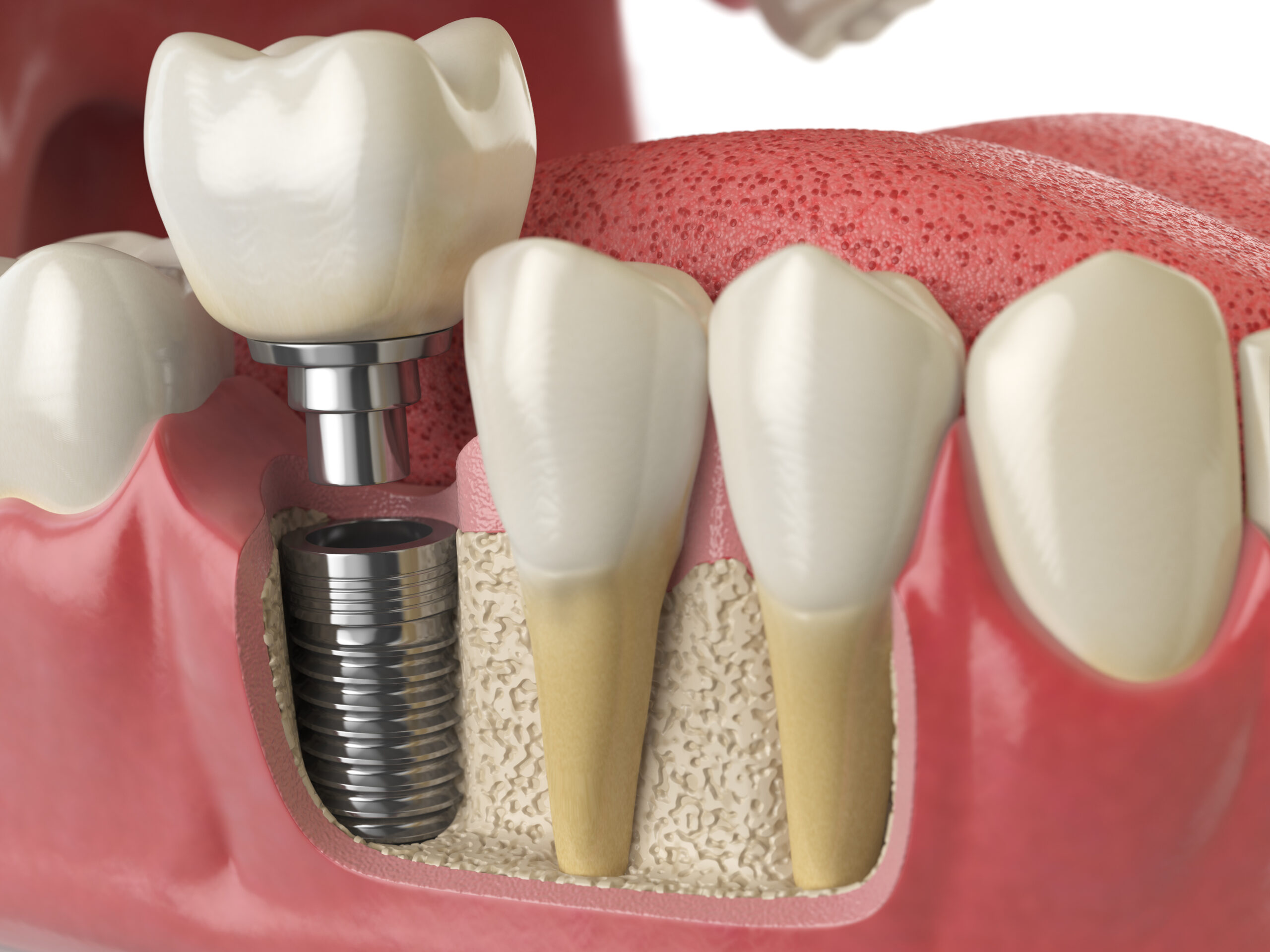
A missing bone can turn a simple implant plan into a hard road. You may feel confused or even misled when you hear you “do not have enough bone.” That phrase often sounds final. It is not. Bone grafting gives your jaw a second chance. It helps rebuild support where teeth and bone were lost from gum disease, injury, or long‑term tooth loss. As a result, implants can sit in strong, stable bone instead of weak, thin ridges. A Santa Ana periodontist uses bone grafting to fill gaps, protect nerves, and hold your future teeth in place. This process also protects your face shape and your ability to chew with force. You deserve clear facts, not fear. This guide explains how bone grafts work, when you need them, and what to expect before, during, and after treatment.
Why healthy bone matters for implants
Dental implants act like roots. They need firm bone around them. When the bone is thin or soft, implants can loosen or fail. You may also feel pain when you chew. Strong bone does three key things for implants.
- Holds the implant steady during healing
- Spreads chewing force so it does not crush one spot
- Protects nearby teeth, nerves, and sinuses
To work well, an implant needs enough bone height, width, and density. If any one of these is missing, bone grafting can help.
Common causes of bone loss in your jaw
Bone loss does not happen overnight. It builds step by step. You may see one or more of these causes in your own story.
- Tooth loss. After a tooth is removed, the bone in that spot shrinks because it no longer carries force.
- Gum disease. A long-lasting infection can eat away at the bone that holds teeth.
- Injury. A blow to the face or jaw can crack or crush bone.
- Sinus changes. In the upper back teeth, the sinus can grow downward into the bone after teeth are lost.
- Medical issues. Some medicines and health conditions can slow bone growth.
You may not feel pain as the bone shrinks. Regular checkups and simple X-rays help catch this early. The National Institute of Dental and Craniofacial Research explains how bone supports teeth and implants at this dental implant resource.
What bone grafting is and how it works
Bone grafting means adding bone or a bone-like material to weak spots in your jaw. Your body treats this graft as a guide. New bone cells grow into and around it. Over time, the graft blends with your own bone.
Grafts can come from three main sources.
- Your own bone. Often from your chin, jaw, or hip.
- Donor bone. Cleaned and processed for safety.
- Man-made material. Designed to support new bone growth.
Your dentist or surgeon chooses the type based on your health, goals, and the size of the defect. The goal is simple. Give your future implant a strong, safe base.
Types of bone grafts used for implants
Different teeth and jaw zones need different graft methods. Here are common types.
- Socket graft. Placed right after a tooth is pulled. It keeps the bone from shrinking.
- Ridge graft. Builds up thin or low ridges where bone has already melted away.
- Sinus lift. Raises the sinus floor in the upper back jaw so you can place longer implants.
- Block graft. Uses a small block of bone to fix large defects or gaps.
The American Association of Oral and Maxillofacial Surgeons describes these methods and healing facts at its patient education site.
Comparison of common graft types
| Graft type | Typical use | Usual healing time before implant | Best for |
|---|---|---|---|
| Socket graft | Right after tooth removal | 3 to 6 months | Preventing early bone loss |
| Ridge graft | Thin or low jaw ridge | 4 to 9 months | Adding width or height for one or more implants |
| Sinus lift | Upper back teeth near sinus | 6 to 9 months | Creating space for longer, stronger implants |
| Block graft | Large defect or missing segment | 6 to 12 months | Severe bone loss from injury or infection |
When you may need a bone graft
You may need bone grafting if you have one or more of these signs.
- Your dentist says the ridge looks narrow or flat.
- X-rays show the sinus close to your upper back teeth.
- Your tooth has been missing for many years.
- Past gum disease caused loose teeth or tooth loss.
- You wear dentures that feel loose or rub sore spots.
Some people need only a small graft at one site. Others need more than one step. Early planning keeps the process shorter and easier.
What to expect before, during, and after grafting
You deserve clear steps. Here is what usually happens.
First, you get an exam, X-rays, and often a 3D scan. This shows bone height, width, and nerve paths. You talk about your health history and medicines. You also discuss your goals for chewing and smiling.
Next, you schedule the graft visit. You get numbing medicine and sometimes light sedation. The surgeon opens the gum, places the graft, and may use a small cover and stitches. You go home the same day with written instructions.
Then healing starts. You may feel swelling, mild pain, and small bruises for a few days. Cool packs, rest, and medicine help. You eat soft foods and keep your mouth clean as directed. Over months, your body replaces the graft with new bone.
Last, your dentist checks the healing. When the bone is ready, the implant is placed. In some small grafts, both steps can happen at the same visit.
How bone grafting improves implant success
Bone grafting does more than “make implants possible.” It raises the chance that implants will last many years. Strong bone helps by doing three things.
- Protects implants from overload when you bite and chew.
- Lowers the risk of early failure and repeat surgery.
- Supports a natural face profile and lip support.
With the right graft and careful planning, many people who once heard “no” to implants can now hear “yes.”
Questions to ask your implant provider
You have the right to clear answers. These questions can guide your talk.
- Do I have enough bone for an implant right now
- If not, what type of bone graft do you suggest and why
- What are the risks and benefits for my health
- How long will healing take before I get the implant
- What will I feel like in the first week after surgery
- What is the total time and cost from graft to final tooth
You do not need to accept confusion or fear. With clear facts and careful planning, bone grafting can give your jaw the strength it needs so your implants feel stable, look natural, and help you eat with confidence again.