As the days get shorter and the temperatures start to drop, your heating system is about to take on its biggest job of the year. A furnace or heat pump that struggled through last winter won’t magically perform better this time around, and the first cold snap is the worst moment to discover a problem. Taking a few steps now can help your home stay warm, keep energy bills in check, and reduce the chances of a mid-winter breakdown.
Stop Warm Air From Slipping Away
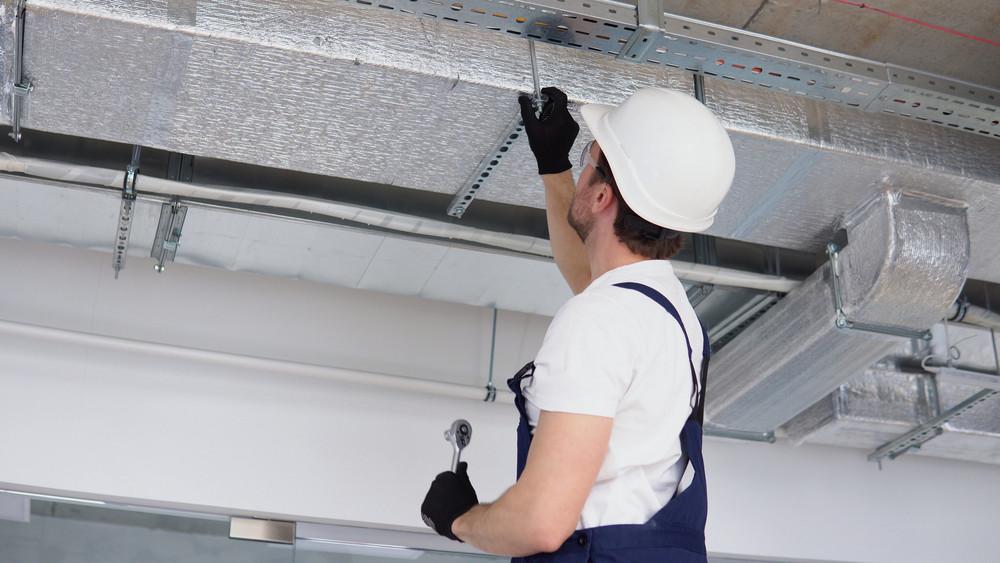
Your heating system can only keep you comfortable if the warm air it produces actually reaches your living spaces. Unfortunately, many homes have ductwork with loose joints, gaps, and small holes that let heated air escape into attics, crawl spaces, and wall cavities. The result is rooms that never seem to warm up and a system that runs longer than it should.
Fixing those leaks can make a real difference. According to This Old House, ducts that are properly sealed can boost a system’s efficiency by as much as 20%. That means more of the heat you’re paying for ends up where you want it, and your equipment doesn’t have to work as hard to keep up with the thermostat.
Some duct sealing is a reasonable DIY project. Exposed ducts in a basement or attic can be sealed with mastic or foil-backed tape, never standard cloth duct tape, which dries out and fails over time. For ducts hidden behind walls or ceilings, a professional can use specialized equipment to locate leaks and seal them from the inside.
Schedule a Fall Tune-Up
Autumn is the ideal time to have your heating system checked. Technicians are typically less busy than they are in the dead of winter, and catching a problem early gives you time to fix it before you truly need the heat. HomeGuide recommends having an HVAC technician inspect your system at least once a year to head off costly repairs.
During a typical fall inspection, a technician will test the thermostat, check electrical connections, examine the heat exchanger for cracks, and confirm that the burners or heat strips are working properly. They’ll also look at the blower motor, lubricate moving parts, and make sure safety controls shut the system down when they should.
For gas furnaces, a professional inspection is especially important. A cracked heat exchanger or a blocked vent can allow carbon monoxide into the home, so the technician will check for these hazards as well. It’s also a good time to replace the batteries in your carbon monoxide detectors.
Keep Dust and Dirt Out of the System
Cleanliness may not seem like a big deal, but it plays a huge role in how long your heating system lasts. Gitnux reports that 80% of HVAC system failures stem from dust and dirt buildup caused by skipped maintenance. Over time, debris can clog filters, coat blower components, and force the equipment to overheat or wear out early.
The simplest way to fight buildup is to change your air filter regularly. Most standard filters should be replaced every one to three months, and more often if you have pets, allergies, or ongoing construction in the house. Check the filter when you turn on the heat for the first time this season, and set a reminder to check it again each month.
Beyond the filter, keep supply and return vents free of furniture, rugs, and curtains so air can circulate freely. Vacuum vent covers to remove dust, and if you have a heat pump, clear leaves and debris from around the outdoor unit before the weather turns harsh.
Stay Warm All Season Long
A little preparation now can pay off throughout the winter. By sealing leaky ducts, scheduling an annual inspection, and keeping dust and dirt under control, you’ll help your heating system run efficiently and reliably when you need it most.