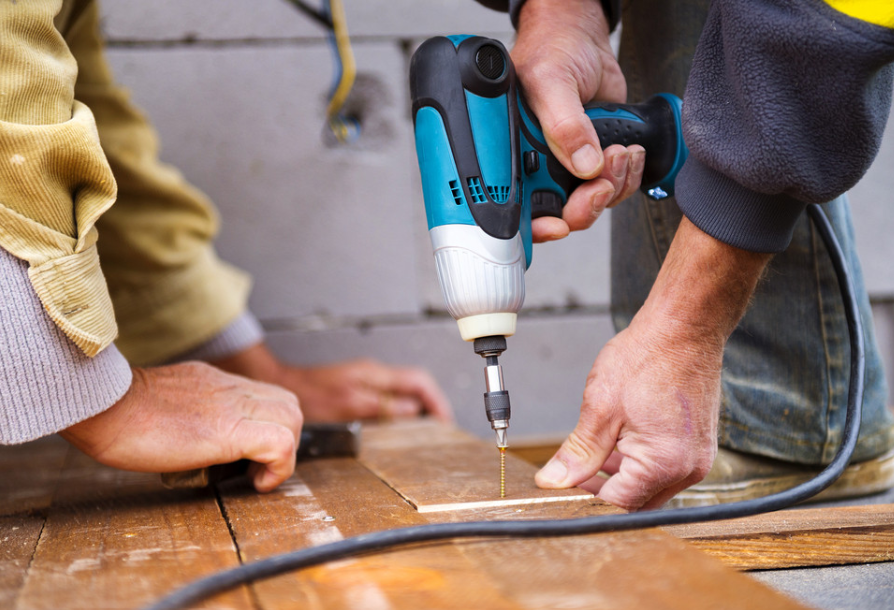
Renovating a home often starts with visible improvements, such as replacing outdated flooring, updating a kitchen, or creating a more functional living space. However, what is happening behind walls, beneath floors, or around the foundation can affect how smoothly the project progresses. A pest inspection before renovation can help identify signs of infestation or structural damage before construction begins, giving homeowners an opportunity to address problems before they become part of a larger project.
Hidden Pest Problems Can Affect Renovation Plans
Renovation work can expose areas of a home that have not been inspected closely in years. Opening walls, removing cabinets, lifting flooring, or accessing crawl spaces may reveal evidence of insects that was previously out of sight. If pests have already caused damage, discovering the problem after construction has started can create additional work, unexpected expenses, and changes to the original renovation schedule.
Termites are especially important to identify before renovation because they can affect structural components of a home. According to One Desk, termites damage approximately 600,000 homes across the United States each year. While not every renovation involves structural changes, projects that require work around walls, framing, floors, or other wooden components can make existing termite activity particularly relevant to the project.
A pest inspection can provide useful information about areas that may need attention before contractors begin their work. Inspectors can look for visible evidence of insects, conditions that may attract pests, and signs of previous activity. Addressing these concerns early can help homeowners distinguish pest-related repairs from the improvements they originally planned to make.
Renovation Materials Can Hide Existing Pest Activity
Some of the most noticeable renovation decisions involve materials and finishes that change the appearance of a room. Kitchens, for example, often receive substantial attention because cabinets, flooring, backsplashes, appliances, and countertops can dramatically alter the space. Yet focusing primarily on visible upgrades can make it easier to overlook conditions that exist underneath or behind those features.
According to House Beautiful, 90% of homeowners consider countertops a priority when renovating. New countertops can improve the appearance and functionality of a kitchen, but installing them does not address pest activity inside surrounding walls, cabinets, or other concealed areas. If an infestation is present, completing the cosmetic portion of the renovation first may make later pest treatment or repairs more disruptive.
This is one reason a pest inspection can be useful before materials are ordered or installation begins. Identifying potential pest concerns beforehand gives homeowners and contractors a clearer understanding of the condition of the work area. It can also help prevent situations where newly installed materials need to be removed to reach an area affected by insects.
Planning for pest concerns early does not mean every renovation will uncover a serious problem. Instead, the inspection serves as an opportunity to identify conditions that could interfere with construction. Even a clean inspection can provide homeowners with additional information about the property before they invest in significant upgrades.
Different Pests Can Create Different Concerns
Not all pest problems develop in the same way, which makes identifying the specific type of insect important. Ants, termites, cockroaches, and other pests may occupy different areas of a home and respond to different environmental conditions. Knowing what type of pest is present can help determine what areas deserve closer attention before renovation work begins.
Ants, for example, have been around for an extraordinarily long time. Their evolutionary roots can be traced back roughly 100 million years, showing how adaptable these insects have been across changing environments. Although their long history does not directly indicate a problem inside a particular home, their ability to establish colonies and access small spaces makes them an insect homeowners may encounter around a property.
During a renovation, pest activity can become more apparent as existing materials are moved or removed. Cabinets may be taken out, flooring may be pulled up, and gaps around plumbing or electrical components may become accessible. These changes can expose nesting areas or pathways that were not visible during a routine walk-through of the home.
A professional inspection before construction can help establish whether there are signs of current or previous pest activity. If an issue is found, homeowners can address it before renovation materials cover the affected area again. This approach can make the renovation process more predictable and reduce the possibility of discovering an unrelated pest problem after significant work has already been completed.
A renovation is a major investment in a home, so preparation should extend beyond choosing finishes and scheduling contractors. Checking for pest activity beforehand can help homeowners identify potential concerns before they interfere with construction. By including a pest inspection as part of the pre-renovation process, homeowners can make more informed decisions about repairs, materials, and project timing while creating a clearer path toward completing the planned improvements.