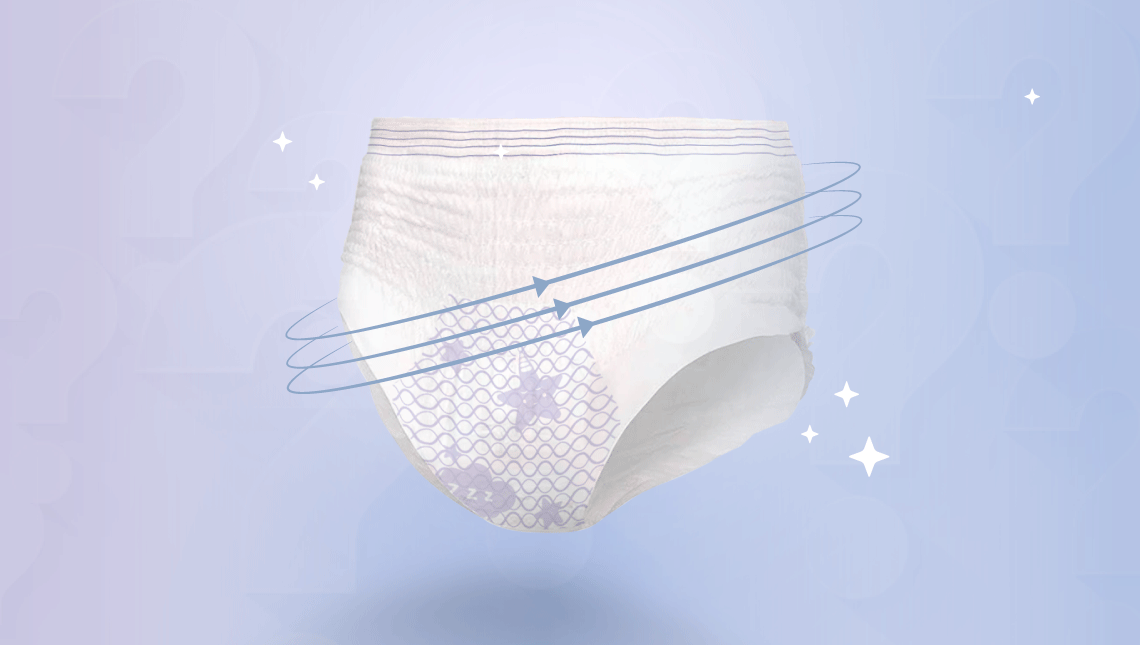
In recent years, period underwear (also known as period panties or menstrual underwear) has emerged as a revolutionary solution for menstrual care, promising comfort, reliability, and sustainability. Yet, despite the growing popularity of these innovative menstrual panties, misconceptions continue to swirl around them. If you’ve been curious about making the switch to period panties but hesitant due to uncertainties, you’re not alone. Today, we’re diving deep into the world of menstrual underwear to separate fact from fiction and equip you with the knowledge you need to make an informed decision.
What Exactly Are Period Panties?
Before tackling the myths, let’s clarify what period panties actually are. Menstrual underwear is specially designed underwear with multiple layers of absorbent, moisture-wicking, and leak-proof materials that trap menstrual fluid and keep you dry. Modern versions of period panties can hold varying amounts of fluid, equivalent to several tampons or pads, and come in different styles to suit various preferences and flow intensities. Unlike traditional period products, these innovative period panties combine functionality with comfort, allowing for a more natural experience during your menstrual cycle.
Common Myths About Period Underwear
Myth #1: “Period Underwear Feels Bulky and Uncomfortable”
One of the most persistent misconceptions is that period underwear feels like wearing a diaper. Many people imagine thick, padded undergarments that create visible outlines under clothing.
Reality: Modern period underwear is designed with comfort and discretion in mind. The absorbent layers are strategically placed and thin enough to remain undetectable under most clothing. Many brands offer styles that closely resemble regular underwear, from thongs to boyshorts, ensuring that you don’t have to sacrifice style for function.
The technology has advanced significantly, with some designs incorporating moisture-wicking fabrics that pull fluid away from your body, ensuring you feel dry throughout the day. Users frequently report forgetting they’re even wearing period underwear!
Myth #2: “Menstrual Underwear Is Unhygienic”
Some worry that wearing the same pair of period panties for hours during menstruation is inherently unhygienic.
Reality: Quality menstrual underwear is designed with antimicrobial layers that prevent odor and bacteria growth. The fabrics used in modern period panties are often more breathable than plastic-backed disposable pads, which can actually reduce the risk of infections and irritation.
However, just like any menstrual product, proper use is important. Changing your period panties according to your flow (typically every 12 hours for normal flow) and washing them correctly maintains hygiene. Most brands recommend rinsing them with cold water after use, then machine washing before hanging to dry. With proper care, period panties can be just as hygienic as traditional disposable products—if not more so.
Myth #3: “They Don’t Work for Heavy Flows”
A common concern is that period underwear can’t handle heavy menstrual flows, leading to potential leaks and embarrassment.
Reality: While period underwear capacity varies by brand and style, many options are specifically designed for heavy flows. These can hold the equivalent of 3-4 tampons’ worth of fluid (approximately 20-30ml). For extremely heavy days, you can either:
- Change your period underwear more frequently
- Use period underwear as backup protection alongside a menstrual cup or tampon
- Opt for overnight or heavy-flow specific designs with additional absorbency
Many people with heavy flows report successfully using period underwear as their sole protection, especially with proper planning and appropriate style selection.
Myth #4: “Period Panties Are Only for Young People”
There’s a perception that sustainable menstrual products, including period panties, are primarily marketed to and used by younger generations.
Reality: Menstrual underwear is suitable for menstruating people of all ages. In fact, period panties can be particularly beneficial for:
- Teenagers navigating their first periods
- Perimenopausal women experiencing irregular flows
- Postpartum mothers dealing with lochia (post-birth bleeding)
- Older women who may find insertion products uncomfortable
- Anyone with mobility issues who finds changing disposable products challenging
The variety of styles available in period panties means there are options to suit personal preferences regardless of age, from more modest cuts to fashion-forward designs. Many brands now offer menstrual underwear specifically designed with different age groups and needs in mind.
For teens specifically, Louloucup’s period panties for teens collection (culotte menstruelle ado in French) offers thoughtfully designed options that address the unique needs of adolescents. These period panties feature age-appropriate designs with enhanced comfort features and easier maintenance—perfect for young people just beginning their menstrual journey. Louloucup understands that first periods can be challenging, so their teen-focused collection provides reliable protection with styles that boost confidence during this important transition time.
Myth #5: “They’re Expensive and Not Worth the Investment”
The upfront cost of period underwear (typically $25-40 per pair) can seem steep compared to a box of tampons or pads.
Reality: While period underwear requires a higher initial investment, the long-term savings are substantial. Most quality period underwear lasts for 2-3 years with proper care, replacing hundreds of disposable products. Let’s break down the math:
Cost Comparison Over 3 Years:
- Disposable pads/tampons: Approximately $5-7 per cycle × 12 cycles per year × 3 years = $180-252
- Period underwear: 7 pairs at $30 each = $210 (one-time cost)
The cost difference is minimal, and period underwear often becomes the more economical option, especially when considering the environmental impact of disposables. Additionally, many brands now offer more affordable options as the market grows.
Myth #6: “Period Underwear Is Difficult to Clean”
Some potential users are put off by the perceived maintenance requirements for period underwear.
Reality: Cleaning period underwear is straightforward, though it does require a bit more attention than regular laundry. The typical process involves:
- Rinsing with cold water until the water runs clear (hot water can set stains)
- Either hand washing or machine washing on a gentle cycle with mild detergent
- Air drying to preserve the integrity of the absorbent and waterproof layers
Most brands advise against using fabric softeners, bleach, or tumble drying, as these can degrade the performance fabrics. While this may sound like extra work, many users integrate these steps into their routine with minimal disruption.
Myth #7: “They Feel Wet and Uncomfortable During Wear”
A major concern for those considering period underwear is the fear of sitting in dampness all day.
Reality: The technology behind quality period underwear includes moisture-wicking layers that draw fluid away from your body into the absorbent core. The top layer against your skin is designed to remain dry to the touch, similarly to how athletic performance fabrics work.
Most users report feeling surprisingly dry throughout the day. However, as with any menstrual product, the experience can vary based on:
- Your flow intensity
- The specific brand and style you choose
- How long you wear a single pair
- Your level of physical activity
For heavy days or intense physical activity, having a backup pair to change into can ensure maximum comfort.
Myth #8: “Period Underwear Is Bad for the Environment”
While period underwear is often marketed as eco-friendly, some critics question whether reusable products are truly better for the environment, especially considering water usage for washing.
Reality: The environmental benefits of period underwear are significant when compared to disposable alternatives:
- A single person using disposable products may discard approximately 11,000 pads or tampons in their lifetime
- Period underwear dramatically reduces this waste, which often contains plastics that don’t biodegrade for hundreds of years
- The water and energy used to wash period underwear is substantially less than what’s required for manufacturing, packaging, and transporting disposable products
- Many period underwear brands are working toward sustainable manufacturing practices and materials
Life cycle assessment studies have consistently shown that reusable menstrual products, including period underwear, have a lower environmental impact than disposables, even accounting for washing.
How to Choose the Right Period Panties
With myths debunked, you might be ready to try menstrual underwear. Here’s what to consider when selecting your first pairs of period panties:
Flow Intensity
Choose absorbency levels that match your typical flow. Most brands categorize their period panties as light (1 tampon equivalent), moderate (2 tampons), or heavy (3-4 tampons).
Style Preferences
Menstrual underwear comes in various styles from thongs to boyshorts to high-waisted options. Consider what you typically find comfortable and what you need for different outfits. Period panties now come in as many styles as regular underwear, ensuring you don’t have to compromise on your preferences.
Activity Level
If you’re active, look for period panties with reinforced edges and moisture-wicking properties specifically designed for movement. Many brands now offer sport-specific menstrual underwear designed to support even intense physical activity.
Budget
Start with 2-3 pairs to test before investing in a full set. Many brands offer starter packs or bundles of period panties at reduced prices.
Specific Needs
Some brands offer menstrual underwear designed for specific needs, such as postpartum bleeding, incontinence protection, or sensory sensitivities. The versatility of modern period panties means there’s likely a perfect match for your unique requirements.
Tips for First-Time Users
- Start gradually: Use period underwear on lighter days first to build confidence in the product.
- Have backups: Until you’re familiar with how period underwear works for your body, have backup products available.
- Assess throughout the day: As you begin using period underwear, check periodically to understand your personal capacity needs.
- Consider a period panty liner: Some brands offer thin, reusable liners that can be changed without changing your entire underwear.
- Rinse promptly: When possible, rinse your period underwear soon after removing them to prevent staining and odor.
The Bottom Line
Period panties offer a comfortable, environmentally friendly, and often economical alternative to traditional menstrual products. While there’s a learning curve and an initial investment, many users find the benefits of menstrual underwear far outweigh the drawbacks once they’ve found the right products for their needs.
By debunking these common myths, we hope to have provided a clearer picture of what to expect when trying period panties. Like any personal care product, individual experiences with menstrual underwear may vary, but with the right information and expectations, you can make an informed decision about whether period panties are right for you.
Remember that menstrual care isn’t one-size-fits-all, and the best approach often combines different products based on your activities, flow, and preferences. Period panties can be a valuable addition to your menstrual care toolkit, whether as your primary protection or as a backup to other methods.
Have you tried menstrual underwear or are you considering it? What questions do you still have about making the switch to period panties? The conversation around menstrual products continues to evolve, and sharing experiences helps everyone make better choices for their bodies and the planet.