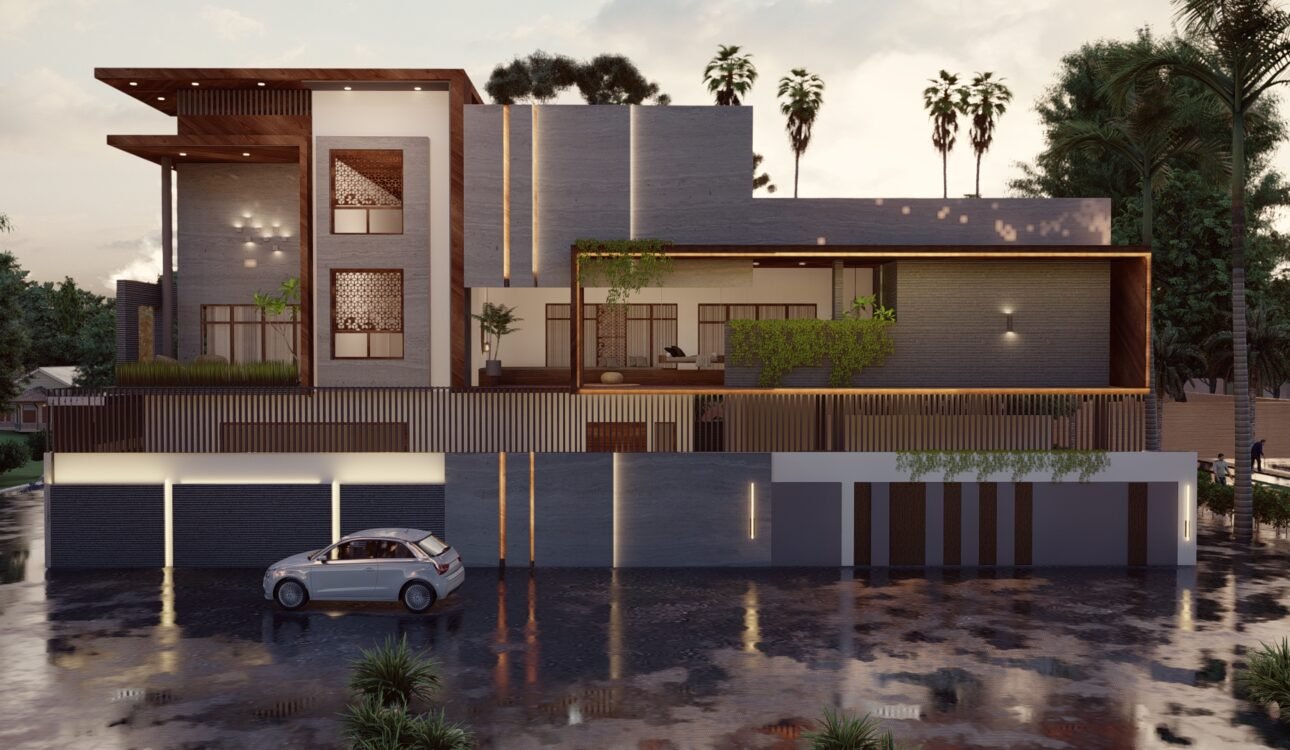
Introduction to Tilt Panel Construction
One of the most significant advancements in modern construction is the development of concrete tilt panel construction. This method has revolutionised the building industry, offering speed, efficiency, and cost-effectiveness while adhering to high standards of durability and design flexibility. Tilt panel construction, often referred to as tilt-up or tilt-wall construction, involves precasting concrete panels in a horizontal position directly at the construction site and then lifting them into position.
The Advantages of Concrete Tilt Panels
One reason for the surge in the popularity of tilt panel construction is the myriad of advantages it offers. Concrete tilt panels are renowned for their strength and resilience, making them ideal for a variety of building types, including commercial, industrial, and residential structures. The panels are manufactured under controlled conditions, which allows for greater quality assurance and uniformity in the final product.
Another drawcard for tilt panel construction is the relatively low costs when compared to traditional construction methods. The labour and materials required for concrete tilt panels can be significantly lower, contributing to a more efficient building timeline and reduced overall project spend.
Furthermore, the thermal mass properties of concrete can contribute to energy-efficient building design. This intrinsic characteristic acts as a natural insulator, keeping buildings cooler in summer and warmer in winter, providing long-term benefits in terms of energy costs and environmental impact.
Technological Innovations in Tilt Panel Construction
Modern architecture is continually pushed forward by innovative techniques and materials, with tilt panel construction at the forefront. Industry advancements have seen an introduction of sophisticated technologies that make the process smoother and more precise. The use of computer-aided design (CAD) systems has allowed for unmatched accuracy in the creation of concrete panels. Customisation of panel shapes and sizes can be easily achieved to complement the architectural vision for a project.
Additionally, recent developments have led to enhancements in the concrete itself, improving its strength and versatility. Innovations in concrete mixtures, fibre reinforcement, and surface treatments have enabled the panels to be lighter, more durable, and more sustainable. This progresses tilt-up techniques beyond traditional constraints and opens up possibilities for more complex and creative architectural designs.
Environmental Considerations and Tilt Panel Construction
As sustainability becomes a paramount concern in the construction industry, tilt panel construction is also evolving to address these challenges. The sustainability of concrete tilt panels lies not only in their thermal efficiency but also in the potential for using recycled materials in their production. Additionally, since the panels are constructed on-site, this method greatly reduces the environmental impact related to transport logistics.
Furthermore, because tilt panel buildings are known for their longevity, they contribute to a lower carbon footprint over the life of the building. When panels do eventually reach the end of their life, the concrete can often be recycled, underscoring the lifecycle benefits of this construction method from an environmental standpoint.
Overcoming Construction Challenges with Tilt Panel Techniques
A major hurdle in any construction project is the time constraint. Tilt panel construction effectively accelerates the building process. Panels can be fabricated simultaneously while the site is being prepared, and once ready to be erected, the building’s shell can often be completed in a matter of days. This is a significant improvement over traditional methods that can take weeks or even months.
The rapid assembly offered by concrete tilt panels can reduce costs related to project delays and diminution of revenue due to prolonged construction periods. Moreover, tilt panel construction is less subject to weather delays because the panels can be rapidly secured and are less susceptible to damage from environmental conditions.
With increasing demand for safe construction sites, the use of concrete panels also enhances the on-site safety profile. Since the majority of the construction is performed at ground level, there is a reduced risk of accidents associated with working at height.
Architectural Flexibility with Tilt Panel Construction
The versatility of tilt panel construction is one of its most impressive features. Panels can be customised with a wide array of finishes, textures, and even integrated architectural elements. This capability is a testament to the adaptability of tilt panel construction to a multitude of architectural styles, from streamlined industrial design to nuanced and intricate façade details.
Importantly, the structural integrity of the building is never compromised for aesthetics. Instead, concrete tilt panels offer architects the opportunity to explore new horizons of design while delivering buildings that stand up to the highest standards of structural soundness.
The Future of Tilt Panel Construction
The future for tilt panel construction looks bright, as it continues to provide an effective answer to fast-paced demand across the construction industry. As architects and designers seek innovative solutions for building faster, safer, and more ecologically, the concrete tilt panel method stands out as a prime example of the synergy between form and function.
Continual improvements in technology and materials will pave the way for even greater diversification in the application of tilt panel construction. It stands to reason that this method will be embraced further, not just for large-scale projects but also increasingly for smaller, bespoke architectural pieces.
In conclusion, mastering modern architecture and pushing the boundaries of innovative design can be achieved through the capabilities and adaptability of the concrete tilt panel approach. Its benefits in terms of efficiency, cost, sustainability, and safety make it an exemplary choice for those committed to building the structures of tomorrow.