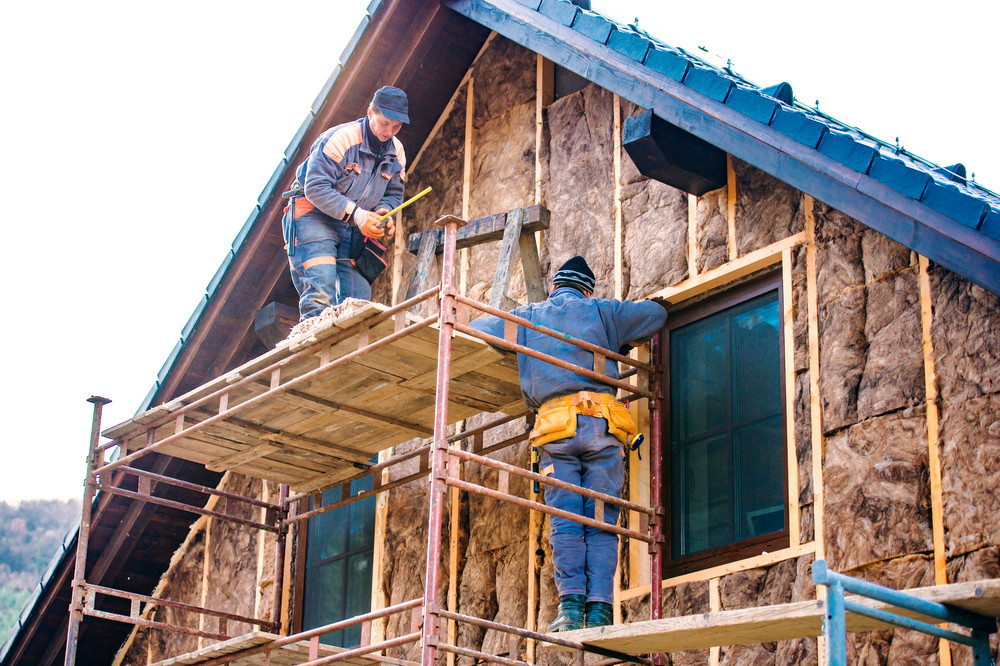
As energy costs continue to rise, homeowners are becoming increasingly concerned about how to manage their heating and cooling expenses. One of the most effective and often overlooked methods for improving home energy efficiency is enhancing the level of insulation. Not only does proper insulation play a crucial role in maintaining comfortable indoor temperatures, but it also helps homeowners reduce their carbon footprint.
The Importance of Insulation in Homes
In the realm of energy efficiency, insulation stands out as a simple yet highly effective solution. It’s surprising to note that the Insulation Institute reports a staggering 89% of single-family homes in the U.S. are not adequately insulated. This deficiency leads to discomfort and increased energy costs, making insulation improvements an essential consideration for energy-savvy homeowners.
Insulation works by limiting heat transfer, which can significantly reduce the need for excessive heating in the winter and cooling in the summer. With the proper application, homeowners can enjoy consistent indoor temperatures that require less energy to maintain. By focusing on improving insulation, you not only enhance comfort but also create a more sustainable home environment.
It’s vital to recognize the signs of inadequate insulation, such as fluctuating indoor temperatures and high energy bills. Homeowners dealing with these issues would benefit from an evaluation of their current insulation levels. Investing in professional inspection and upgrading insulation can lead to a more comfortable and economically efficient home.
Current Trends in the Insulation Market
The insulation market has become increasingly vital as energy efficiency gains importance for both residential and commercial properties. Interestingly, residential insulation represents over half of the total insulation market, according to Gitnux. This statistic underscores the growing awareness among homeowners of the benefits that proper insulation brings.
Technological advancements continue to drive the insulation market forward, offering new materials and methods that enhance energy conservation. As more homeowners become educated on the benefits of insulation, they are more likely to invest in upgrades. Consequently, the market for residential insulation is expected to grow, reflecting the ongoing demand for sustainable home solutions.
In particular, eco-friendly insulation options are gaining popularity, offering homeowners a way to contribute positively to the environment. Materials such as recycled denim, cellulose, and sheep’s wool are being used as alternatives to traditional fiberglass. These options not only provide effective thermal resistance but also align with the values of environmentally conscious individuals.
Benefits of Proper Home Insulation
Appropriate insulation can have a significant impact on a home’s energy efficiency, leading to substantial financial savings. As noted by Green Match, effective insulation can reduce a home’s heating and cooling energy needs by up to 50%. This reduction translates to lower utility bills, making the initial investment in insulation an economically savvy choice for homeowners.
In addition to financial savings, enhanced insulation also contributes to environmental benefits by lowering the overall energy consumption. Reduced energy usage means fewer carbon emissions, allowing homeowners to play a part in combating climate change. Furthermore, by minimizing drafts and cold spots, proper insulation improves comfort levels within the home.
Another overlooked advantage of adequate insulation is the potential increase in property value. Energy-efficient homes are becoming more desirable in the real estate market, as buyers prioritize energy savings and comfort. Installing or upgrading insulation is not just an investment in comfort; it’s a strategic move to enhance long-term property value.
Taking Action on Insulation
Given the significant benefits, homeowners should consider assessing their current insulation and exploring improvement options. This proactive approach can lead to improved comfort, reduced energy expenses, and a lower environmental impact. Emphasizing insulation as a priority in the quest for energy efficiency ensures a win-win situation for both the homeowner and the planet.
There is no doubt that as energy costs continue to rise, the importance of efficient home insulation should not be underestimated. Those who invest in this energy-saving measure today will undoubtedly reap considerable financial and environmental benefits in the years to come. It is a step towards a sustainable and economically prudent future.
In light of these facts, taking the time to understand and enhance your home’s insulation can be one of the most rewarding decisions you make for your property. By making informed choices, homeowners can pave the way for a more comfortable and sustainable living environment. Don’t wait until the next energy bill arrives; start optimizing your home’s efficiency now!