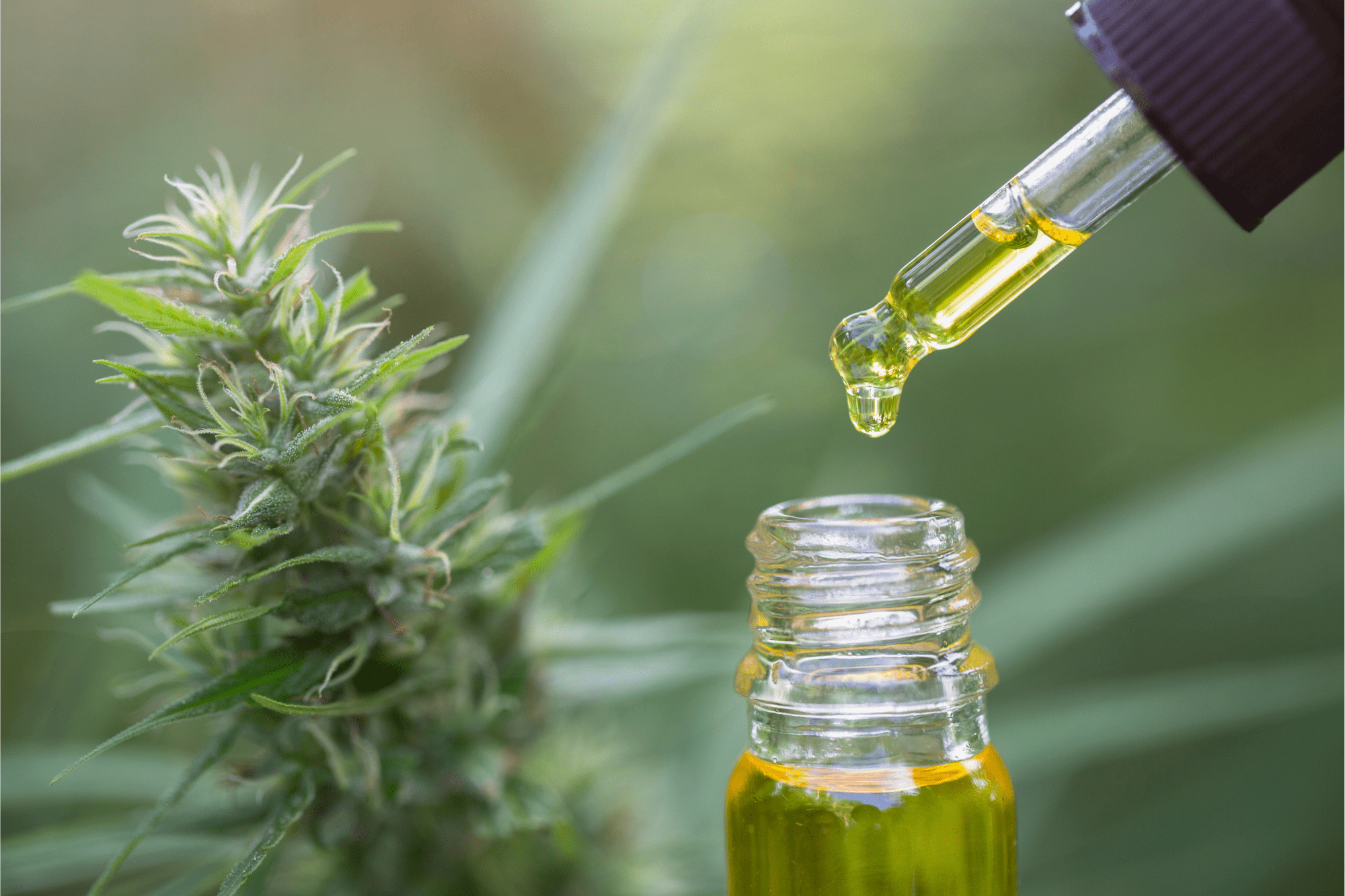
The landscape of cannabis consumption has been continuously evolving, with various forms and derivatives constantly emerging in the market. Among these, liquid cannabis has been steadily gaining popularity due to its potency, discretion, and versatility. This article explores why liquid cannabis is often touted as the future of concentrates and what this means for consumers and the industry at large.
Understanding Liquid Cannabis
Cannabis concentrates have traditionally been available in solid or semi-solid forms such as wax, shatter, or crumble. Liquid cannabis differentiates itself by being a more fluid extract, potent in cannabinoids like THC and CBD, and can be consumed in numerous ways. The process of creating liquid concentrates involves the extraction of the desired compounds from the plant material using solvents or mechanical methods, followed by refinement and sometimes, the addition of thinning agents to achieve the right consistency.
The Rise in Popularity
One of the primary factors contributing to the rising prominence of liquid cannabis is the exponential growth in vaping. Vaping devices provide a clean and inconspicuous method of consumption, which appeals to users who prefer discretion. Moreover, the liquid form of cannabis allows for precise dosing, a critical aspect that is particularly important for medicinal users who rely on consistent and accurate doses for their treatment.
Benefits Over Traditional Concentrates
When compared to traditional solid concentrates, liquid cannabis offers several advantages. The ease of use is a significant factor – it requires no special preparation or equipment besides a vaping device or a dropper when used as a tincture. Its liquid form also allows it to be integrated into edibles and topicals seamlessly, thus increasing its application range.
Furthermore, the extraction process for liquid concentrates oftentimes leads to a product that is cleaner and free of plant matter. This means a smoother experience for the consumer, without the harshness that can sometimes accompany the smoking of plant material.
Quality and Safety Considerations
As with any cannabis product, quality and safety are paramount. Producers of liquid cannabis must adhere to strict guidelines and testing requirements to ensure that their products are free of contaminants such as pesticides and residual solvents. Consumers need to be aware of the source of the liquid cannabis they purchase, ideally opting for products from reputable and licensed producers who provide comprehensive lab test results.
Due to its concentrated nature, the potency of liquid cannabis can be much higher than flower, necessitating responsible use. Educating consumers about proper dosing and the importance of starting with a low amount and going slow is crucial.
Synthesis with Evolving Technology
The manufacture of liquid cannabis has been significantly aided by advancements in extraction and processing technologies. Supercritical CO2 extraction, for instance, has become a favoured method for its ability to isolate cannabinoids without leaving harmful residues. This technology complements the industry’s shift towards cleaner and more sustainable practices.
The Therapeutic Edge
Medicinally, liquid cannabis also shows promise due to the faster onset of effects when compared to edibles and the ability to consume it sublingually. For therapeutic users, this equates to quicker relief from symptoms such as pain, anxiety, or insomnia. Moreover, the discreet nature of a tincture or vape pen can provide patients with the freedom to medicate without drawing attention or concern, which can be invaluable in everyday life.
Regulatory Landscape
The legal and regulatory frameworks surrounding cannabis concentrates continue to develop as more regions legalise cannabis for medical and recreational use. This evolving legal landscape impacts the production, distribution, and consumption of liquid cannabis. Manufacturers are compelled to stay compliant with changing laws, ensuring their products are safe, accurately labelled, and traceable.
Environmental Impact
The production and disposal of liquid cannabis, particularly when contained in single-use cartridges, have prompted discussions about sustainability. The industry is challenged to address environmental concerns by adopting better practices such as refillable cartridges and supporting recycling programs.
Future Prospects
The future of liquid cannabis looks bright as innovation continues to drive product quality and appeal. The market for concentrates is expected to grow, with liquid cannabis taking a more significant share due to its adaptability and consumer-friendly attributes. As the demand for cannabis-based products increases globally, the industry must ensure that strict standards are maintained to uphold consumer trust and safety.
Conclusion
Liquid cannabis represents the cutting-edge of concentrate technology, promising users a purer, more adaptable, and often more effective way to consume cannabis. Its growing popularity underscores a broader trend towards convenience, discretion, and potency in the cannabis market. As the industry matures, it is likely that liquid cannabis, imbued with technological innovation and compliance to stringent regulations, will lead the path in redefining how people view and consume cannabis concentrates.