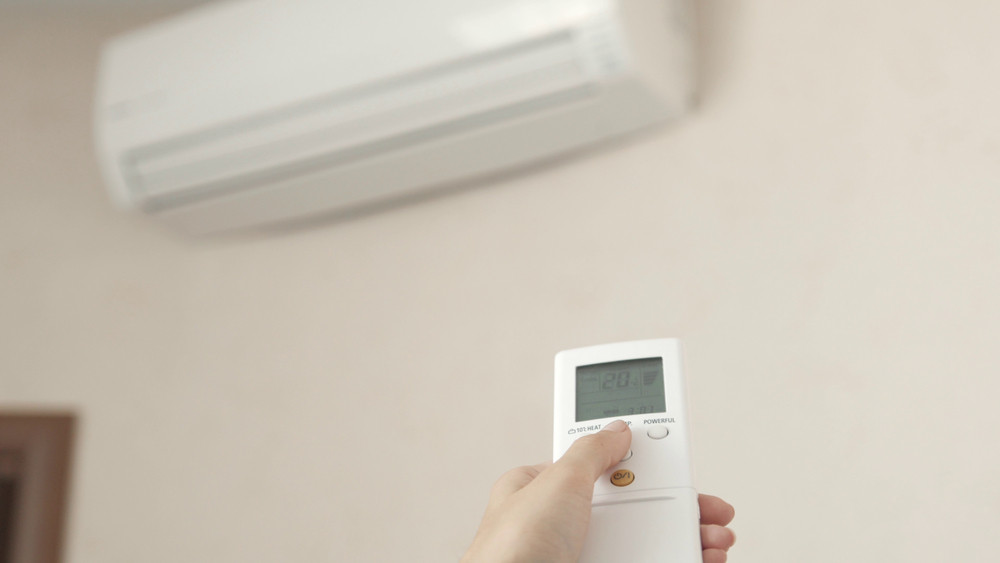
Summer heat can put substantial pressure on a home’s cooling system. As outdoor temperatures rise, the equipment may run for longer periods to maintain a comfortable indoor environment. Homeowners can help reduce unnecessary strain by improving energy efficiency, paying attention to the building itself, and following a consistent maintenance routine. A few practical habits can support more reliable cooling throughout the season while helping homeowners understand when professional service may be necessary.
Improve Your Home’s Cooling Efficiency
One of the most effective ways to support summer comfort is to reduce the amount of heat entering the home. Direct sunlight, air leaks, poor insulation, and inefficient windows can all make a cooling system work harder. Homeowners can use blinds or curtains during the hottest parts of the day, seal noticeable gaps around doors and windows, and make sure vents are not blocked by furniture. These steps can help cooled air remain inside longer.
Heating and cooling can also have a major impact on household energy use. According to the U.S. Department of Energy, these systems account for nearly 50% of the average home’s energy consumption. Because cooling represents such a significant portion of energy use, small improvements in efficiency can make a noticeable difference over time. Replacing dirty filters, using a reasonable thermostat setting, and keeping the outdoor unit clear can all support better operation.
Protect Your System From Summer Strain
Regular attention can help homeowners identify problems before they become major breakdowns. A dirty filter can restrict airflow, while blocked vents can make certain rooms feel warmer than others. Outdoor equipment should be kept clear of leaves, grass, branches, and other debris that can interfere with airflow. Homeowners should also pay attention to unusual noises, weak airflow, unpleasant odors, and cooling cycles that seem longer than usual.
The maintenance needs of a system depend on the type of equipment and how heavily it is used. According to SkillCat, commercial HVAC systems are commonly serviced every 3 to 6 months, while residential systems generally receive maintenance once each year. Homeowners should follow the equipment manufacturer’s recommendations and consider professional service if the system is struggling to maintain comfortable temperatures.
Professional maintenance can include inspecting important components, checking airflow, evaluating electrical connections, examining drainage, and identifying worn parts. Scheduling service before the system reaches its busiest period may provide more time to address developing concerns. Homeowners should not wait for a complete breakdown if the system is already showing signs of poor performance.
Use Smart Habits to Maintain Comfort
Daily habits can also affect how hard a cooling system must work. Homeowners can reduce indoor heat by limiting oven use during the hottest part of the day and using kitchen and bathroom exhaust fans when needed. Closing blinds or curtains during direct sunlight can help keep rooms cooler. Programmable thermostats can also help manage temperatures according to household schedules instead of cooling an empty home at the same level all day.
The building itself can also affect cooling performance. In certain structures, updating older systems with modern equipment may improve efficiency. According to the METALCON blog, upgrading a metal structure with a modern HVAC system can reduce cooling costs by up to 20%. Homeowners should consider the condition of both the equipment and the building when looking for ways to reduce summer cooling expenses.
Preparing a home and cooling system for summer can help improve comfort and reduce unnecessary strain. Homeowners can focus on improving efficiency, protecting equipment from debris and airflow problems, maintaining reasonable thermostat habits, and scheduling service according to the needs of the system. Paying attention to warning signs can also help identify problems before they lead to an unexpected breakdown. With consistent care and timely professional support, homeowners can help their HVAC systems perform more reliably throughout the summer.