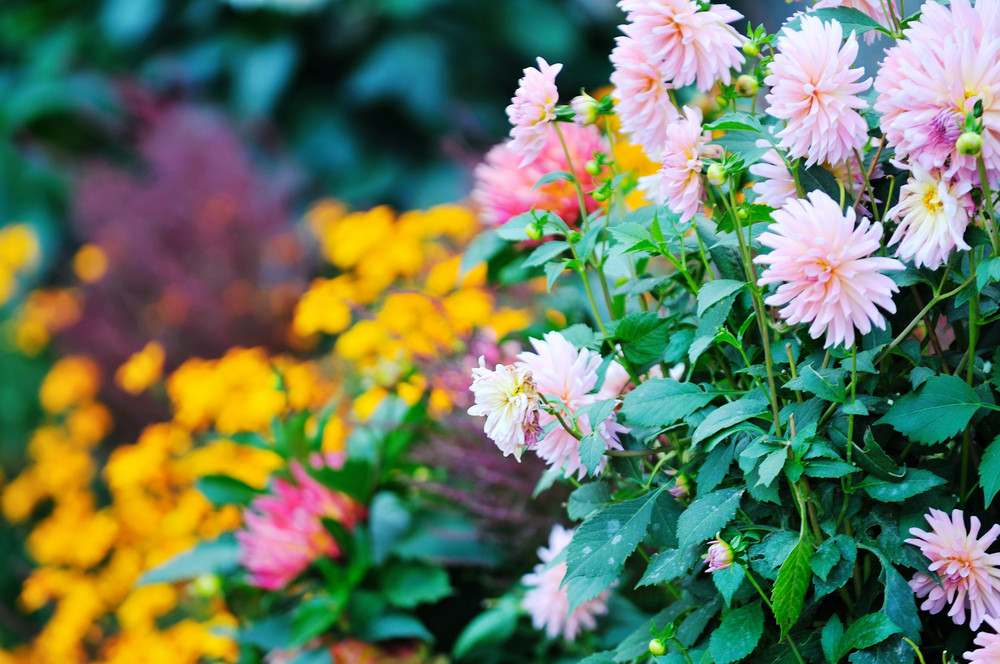
A healthy, attractive yard can improve a home’s appearance, provide space for outdoor activities, and create a more enjoyable environment around the property. However, maintaining green grass, colorful plants, and thriving gardens can also require a significant amount of water. Fortunately, homeowners do not have to choose between a beautiful yard and responsible water use. With thoughtful planning and consistent maintenance, it is possible to support healthy outdoor spaces while reducing unnecessary waste.
Start With Plants That Match Your Yard
One of the most effective ways to reduce outdoor water use is to choose plants that are well-suited to the local climate and growing conditions. Native and drought-tolerant plants are often better adapted to local weather patterns, soil conditions, and seasonal rainfall. As a result, they may require less supplemental watering once established.
Homeowners should also consider how much sunlight different areas of the yard receive. A plant that thrives in full sun may struggle in a shaded location, while a shade-loving plant may require additional water if placed in direct sunlight. Matching plants to their environment can help reduce stress and prevent unnecessary watering.
The popularity of outdoor gardening makes this approach especially relevant. According to Garden Research, approximately 84.1% of U.S. households participated in lawn or garden activities in 2024. With so many homeowners caring for outdoor spaces, choosing plants strategically can make a meaningful difference in how much water yards require.
Water Lawns and Gardens More Efficiently
When watering is necessary, the timing and method can have a major impact on how efficiently water reaches plants. Watering during the cooler parts of the morning or evening can help reduce evaporation. By contrast, watering during the hottest part of the day may cause more water to evaporate before it can soak into the soil.
Homeowners should also avoid watering on a fixed schedule without considering current conditions. Rainfall, temperature, humidity, and soil moisture can all affect how much water a yard needs. Checking the soil before watering can help prevent overwatering.
Irrigation systems should be inspected regularly for leaks, broken sprinkler heads, and overspray. A sprinkler that sprays onto a driveway or sidewalk is wasting water rather than helping the landscape. Adjusting sprinkler heads and using targeted watering methods can help direct water where it is needed most.
Consider the Water Needs of Your Garden
Gardens can be a rewarding part of a home’s outdoor space, but different plants have different water requirements. Grouping plants with similar needs together can make watering more efficient. For example, plants that require frequent moisture can be placed in one area, while drought-tolerant plants can be grouped separately.
According to RubyHome, 55% of U.S. households have a garden. Because gardens are so common, homeowners can potentially reduce water waste by planning plant groupings carefully and avoiding a one-size-fits-all watering approach.
Drip irrigation can also be useful for garden beds because it delivers water closer to plant roots rather than spraying large areas indiscriminately. Soaker hoses may provide another option for some garden layouts. The best choice depends on the size and design of the garden, the plants being grown, and the property’s existing irrigation system.
Maintain Grass With Water Conservation in Mind
A lawn does not always need to look perfectly green to be healthy. Homeowners can often reduce water use by selecting grass varieties that are appropriate for their climate and allowing grass to develop deeper roots through proper mowing and watering practices.
Mowing too short can stress grass and increase its need for water. Keeping the mower blade at an appropriate height can help provide shade to the soil and protect the grass from heat. Sharp mower blades can also make cleaner cuts, which may reduce unnecessary stress on the grass.
It is also important to avoid automatically watering a lawn every day. Overwatering can create shallow root systems and may contribute to fungal problems. Deeper, less frequent watering, when appropriate for the grass type and local conditions, can encourage stronger roots.
Reduce Unnecessary Outdoor Water Waste
The amount of water used outside homes adds up quickly across the country. According to the EPA, residential outdoor water use totals approximately 8 billion gallons each day. This highlights why small improvements in irrigation, lawn care, and gardening habits can be worthwhile.
Homeowners can look for other sources of outdoor water waste as well. Leaking hoses, dripping outdoor faucets, and poorly maintained irrigation systems can waste water over time. Rain barrels may also provide a way to collect rainwater for certain outdoor uses, where permitted and appropriate.
Regularly checking outdoor plumbing and irrigation equipment can help identify problems before they result in significant waste. Even simple adjustments, such as fixing a leaking connection or redirecting a sprinkler, can improve efficiency.
Build a Beautiful Yard With Smarter Maintenance
Maintaining an attractive yard does not have to mean using excessive amounts of water. Choosing appropriate plants, improving watering practices, using mulch, maintaining irrigation equipment, and caring for lawns thoughtfully can all help homeowners create healthier outdoor spaces with less waste.
A water-conscious approach can benefit both the landscape and the homeowner. By paying attention to what plants actually need and avoiding unnecessary watering, homeowners can support a beautiful yard while using outdoor water more responsibly.