Key Takeaways
- Choose a truck based on daily work, family, towing, and travel needs.
- Budget for ownership costs beyond the listed price.
- Verify title, mileage, history, recalls, and modification records.
- Inspect the frame, tires, suspension, drivetrain, and electronics carefully.
- Use a thorough test drive and independent inspection before committing.
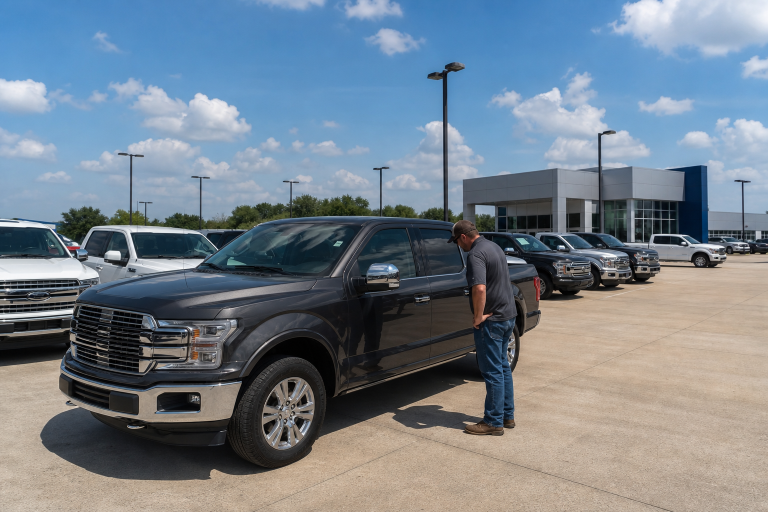
Shopping for a used truck in Dallas, Texas, requires more than just finding a clean-looking vehicle with a lift kit or oversized wheels. From congested commutes on Central Expressway to jobsite travel, lake weekends, and long trips across North Texas, the right truck should fit the way you actually drive. Visiting an Addison truck showroom can help buyers compare cab sizes, bed lengths, towing equipment, and custom features in person.
Dallas heat, sudden storms, rough construction access roads, and high-speed highway driving can expose weaknesses in tires, cooling systems, suspension parts, and electrical upgrades. A careful buying process helps you identify whether a truck is a dependable partner for Texas work and recreation or an expensive project waiting to happen.
Define Your Driving Needs
Start with purpose, not appearance. A truck used to pull a boat to Lake Ray Hubbard needs different capabilities than one used for a Uptown commute or a landscaping business. Consider how often you carry passengers, haul equipment, load materials, or tow a trailer. Estimate payload and trailer weight honestly, then separate true needs from cosmetic wants.
For example, a buyer may choose a tall, heavily modified full-size truck for style, only to discover that parking garages, fuel stops, insurance costs, and daily driving in Dallas are less convenient than expected. A practical configuration is usually more satisfying than one that only looks impressive.
Build A Realistic Budget
The purchase price is only the beginning. Create a cost sheet that includes sales tax, registration, financing, insurance, fuel, routine maintenance, brake service, tires, and a reserve for repairs. North Texas highway miles add up quickly, and large all-terrain tires or specialty wheels can be costly to replace.
- Request an insurance quote before making an offer.
- Ask about tire size, replacement availability, and expected cost.
- Factor in fuel use for your normal Dallas-area driving pattern.
- Keep funds available for fluids, filters, belts, batteries, and unexpected repairs.
Check History And Paperwork
Paperwork can reveal issues that a quick walk-around misses. Confirm that the VIN matches the dashboard, door label, title, and service paperwork. Review ownership history, accidents, title brands, repair receipts, mileage records, and open recalls. The FTC’s vehicle history report guidance explains why reports can provide useful background information, including salvage information, while still falling short of a physical inspection.
Be especially cautious with salvage, rebuilt, flood, or branded titles. Ask for receipts covering major engine work, transmission replacement, suspension changes, and aftermarket electrical equipment. Documentation does not guarantee quality, but a seller who can explain the truck’s history clearly is easier to evaluate.
Inspect The Exterior
Inspect the truck in daylight and on level ground. Look for mismatched paint, overspray, uneven panel gaps, bent bumpers, cracked lights, and doors or tailgates that do not close cleanly. Minor scratches are generally manageable. Frame damage, severe corrosion, poor repairs, or fresh undercoating applied over questionable metal deserve much more attention.
- Check the frame, skid plates, tow hitch, and underbody for leaks or impact damage.
- Inspect tire tread, sidewalls, dates, and uneven wear patterns.
- Test windows, mirrors, cameras, lights, locks, and bed accessories.
Review Custom Upgrades
Custom trucks are common in Dallas, but visible upgrades do not automatically increase value. Ask who installed the lift, wheels, lighting, audio equipment, winch, tuning device, or auxiliary switches. Quality brands, part numbers, receipts, warranty details, and clean installation matter more than the number of accessories.
Check that wheel and tire sizes suit the truck’s load rating, and look for rubbing during turns. Examine wiring for loose connectors, exposed conductors, poor splices, or improvised fuses. Suspension changes should not create wandering, harsh steering, brake problems, or unusually fast tire wear.
Test Mechanical Systems
A professional inspection is valuable, especially for high-mileage trucks, towing rigs, and modified builds. Before that appointment, listen and look closely at yourself.
- Engine: Watch for hard starts, smoke, leaks, knocking, or overheating.
- Transmission: Notice slipping, delayed shifts, shuddering, or harsh engagement.
- Suspension and steering: Check for clunks, bouncing, vibration, pulling, or excess play.
- Brakes: Look for a soft pedal, squealing, pulsation, or uneven stopping.
- Four-wheel drive and electronics: Test every drive mode, climate control, display, camera, and safety feature.
Take A Proper Test Drive
A trip around the block is not enough. Start the engine cold if possible, then drive on city streets, over bumps, through turns, under moderate acceleration, and at highway speed when safe. Watch for warning lights and note steering-wheel vibration, seat vibration, unusual noises, wandering, brake pull, and poor visibility.
Take notes immediately after each drive. When comparing several trucks, written observations make it easier to distinguish a minor annoyance from a recurring mechanical concern.
Compare Long-Term Costs
Compare trucks by their expected ownership cost, not simply their sticker price. A cheaper truck can become the more expensive option if it requires specialty parts, frequent alignment work, significant fuel costs, or repairs that local shops are reluctant to perform.
- Fuel: Does the engine fit your commute, towing needs, and mileage expectations?
- Parts: Are common replacement parts easy to find locally?
- Service: Can a trusted technician work on its modifications?
- Insurance: Will custom equipment affect coverage or premiums?
- Resale: Will future buyers see the upgrades as useful or limiting?
Spot Red Flags
Slow down when the seller refuses an independent inspection, cannot explain modifications, pressures you to decide immediately, or provides paperwork that does not match the truck. Other warning signs include a warm engine before your arrival, multiple warning lights, suspiciously fresh undercoating, uneven tire wear, and mileage that seems inconsistent with interior wear.
One issue may be manageable, but several unanswered questions often point to a larger problem. A good deal should still make sense after careful scrutiny.
10. Make The Final Decision
Before signing, review the title, history report, inspection results, out-the-door price, warranty terms, and expected maintenance costs. Confirm displayed mileage against titles, maintenance records, inspections, tire condition, and cabin wear. These odometer fraud prevention tips also recommend checking for mileage discrepancies before completing a used-vehicle purchase.
Conclusion
The best used truck for Dallas drivers is not always the newest, biggest, or most modified option. It is the truck that matches your work, budget, comfort, towing needs, and everyday routes. Taking time to inspect the details, verify the records, and walk away from unresolved concerns can lead to a far better ownership experience.