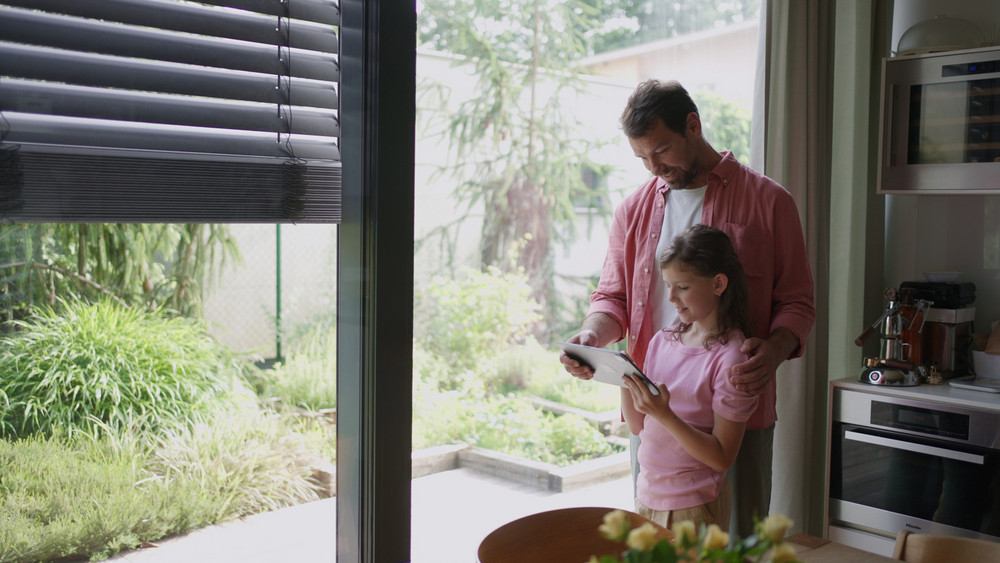
Keeping your home energy-efficient and comfortable is a priority for many homeowners, especially during extreme weather conditions. Selecting the right type of window coverings can play a significant role in heat conservation and reduction. This article explores the various options available to achieve optimal temperature control and how they contribute to energy savings.
Cellular Shades: A Smart Energy Saver
Cellular shades, also known as honeycomb shades, are one of the most efficient window coverings for heat management. The unique design creates air pockets that make a barrier against heat loss, making these shades ideal for both summer and winter months. Research by the U.S. Department of Energy indicates that tightly fitted cellular shades can reduce heat loss by up to 40% through windows.
In addition to their energy-saving capabilities, cellular shades offer a variety of aesthetic and functional options to match your home’s décor. They come in a range of colors, materials, and cell sizes to suit various preferences and needs. Plus, their cordless options provide safety in homes with children and pets, making them a versatile choice for any household.
Moreover, cellular shades help maintain a comfortable temperature within the home, reducing the reliance on heating and cooling systems. This can result in lower utility bills and a more sustainable lifestyle. As such, investing in these shades can offer long-term benefits for both your home and the environment.
Traditional Blinds: Popular and Functional
Blinds are a commonly installed window covering in many U.S. homes due to their affordability and functionality. According to the U.S. Consumer Product Safety Commission, more than 60% of window coverings in American homes are blinds. While they may not be as effective at reducing heat loss as cellular shades, they provide excellent control over light and privacy.
The adjustable slats of blinds make it easy to control the amount of sunlight entering the room, which can help manage heat gain during sunny days. Closing the slats during the hottest parts of the day can significantly reduce temperature fluctuations in your home. This feature is particularly beneficial for rooms that get a lot of direct sunlight, such as those facing south or west.
Blinds also come in various materials like wood, faux wood, and aluminum, each offering different insulating properties. This diversity allows homeowners to choose blinds that best match their interior design style and energy efficiency needs. By selecting the right blind material, you can further enhance your home’s heat management while maintaining a stylish appearance.
Window Tinting: Invisible Protection
Window tinting serves as another effective solution for minimizing heat gain and loss through windows. An application of high-quality window tint can block up to 99% of harmful UV rays, as noted by Buildings, safeguarding not only the temperature balance but also your furnishings and indoor materials from sun damage. This feature makes window tinting a valuable addition to any homeowner looking to protect their interiors.
The benefits of window tinting go beyond UV protection; they can also help maintain a comfortable indoor temperature by reflecting the sun’s heat outside. This reduces the need for air conditioning, resulting in energy savings during peak summer months. With window tinting, you can enjoy natural light without compromising the coziness of your home.
Moreover, window tint adds an extra layer of privacy by decreasing the visibility from outside, making it an appealing option for urban homes with close neighbors. The ability to reduce glare and enhance privacy without the need for heavy window treatments makes window tinting a discreet yet powerful solution. When combined with other window coverings, such as shades or blinds, it can further enhance the energy efficiency of your home.
Comparative Analysis: Choosing the Best Fit for Your Home
Deciding on a window covering involves balancing various factors, including energy efficiency, aesthetics, and functionality. Cellular shades, with their excellent insulation properties, are ideal for those prioritizing energy savings. In contrast, blinds offer versatility in light control and are a cost-effective choice for homeowners seeking a straightforward solution.
On the other hand, window tinting provides a nearly invisible solution with the double benefit of UV protection and heat reduction. This can be particularly appealing for rooms with stunning views where heavy window coverings might not be desirable. Each option has unique advantages, making it essential to consider your home’s specific needs and design goals when selecting window coverings.
Understanding the distinct benefits of each type of window covering can guide you toward making an informed decision. You may even find that a combination of different coverings might best meet the diverse requirements of your home. By evaluating the strength of your options, you can ensure your home remains comfortable, efficient, and stylish throughout the year.
Invest in the Future Comfort of Your Home
Choosing the right window coverings is an essential step toward achieving better energy efficiency and comfort in your home. Cellular shades, blinds, and window tinting each offer unique benefits that can address different aspects of climate control and home protection. Utilizing a combination of these options can significantly enhance your home’s ability to maintain a pleasant environment while curbing energy expenditures.
In addition to immediate comfort, investing in appropriate window coverings can lead to long-term savings on energy bills and contribute to a more sustainable lifestyle. As environmental concerns grow, making small changes such as selecting energy-efficient window treatments becomes increasingly vital. Beyond reducing your carbon footprint, such measures can also uplift the aesthetic and functional value of your property.
Ultimately, the choice of window coverings should align with your personal style, budget, and environmental goals. By carefully considering the options and what works best for your unique circumstances, you can improve your home’s energy performance and create a relaxing, inviting atmosphere for you and your loved ones. Start exploring the options available to ensure your home remains a haven of comfort all year round.