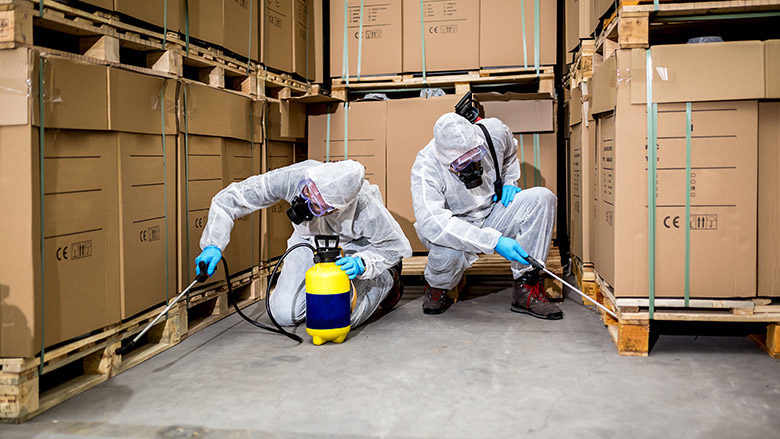
In the world of business, maintaining a clean and pest-free environment is crucial for the reputation and smooth operation of commercial establishments. Pests can pose significant health risks, damage property, and ultimately impact the bottom line. Thus, effective pest management strategies are essential for businesses to protect their assets and ensure the well-being of employees and customers alike.
The Importance of Commercial Pest Management
Commercial spaces such as restaurants, hotels, warehouses, and office buildings are particularly vulnerable to pest infestations due to their size, high foot traffic, and the presence of food and waste. Pests such as rodents, cockroaches, ants, and flies are not only a nuisance but can also carry diseases, contaminate food supplies, and cause structural damage. Consequently, businesses must implement proactive pest management techniques to mitigate these risks.
Integrated Pest Management (IPM)
Integrated Pest Management (IPM) is a holistic approach that combines multiple control methods to manage pest populations effectively. This strategy is more sustainable and environmentally friendly compared to traditional pest control methods that rely heavily on chemical pesticides. IPM involves several key components:
- Inspection and Monitoring: Regular inspections and monitoring help identify pest activity early, allowing for timely intervention and preventing minor issues from escalating into major infestations.
- Identification: Correctly identifying pest species is crucial for selecting the most effective control measures. Different pests require different management strategies.
- Prevention: Implementing preventive measures such as sealing entry points, maintaining cleanliness, and proper waste management can significantly reduce the likelihood of infestations.
- Cultural and Mechanical Controls: This includes modifying the environment to make it less conducive to pest activity and using physical barriers or traps.
- Biological Controls: Utilizing natural predators or biological agents to control pest populations is a sustainable alternative to chemical treatments.
- Chemical Controls: When necessary, the selective use of pesticides may be employed, but only as a last resort and with careful consideration of safety and environmental impact.
Technology in Pest Management
Advancements in technology have revolutionized pest management practices, offering more precise and efficient solutions. These innovations include:
- Automated Monitoring Systems: These systems use sensors and digital tools to provide real-time data on pest activity, enabling prompt responses and reducing reliance on manual inspections.
- Data Analytics: Leveraging big data and analytics helps identify patterns in pest behavior, optimize treatment plans, and predict future infestations.
- Remote Sensing and Drones: Drones equipped with cameras and sensors can survey large areas quickly, identifying potential problem zones and assisting in targeted pest control efforts.
The Role of Professional Pest Control Services
Engaging professional pest control services is often the most effective way to manage commercial pest issues. These experts possess the knowledge, experience, and tools necessary to handle infestations efficiently and safely. For businesses in Alabama, Huntsville pest control services offer tailored solutions to meet the unique needs of each commercial establishment.
Conclusion
Effective commercial pest management is a multifaceted process that requires diligence, knowledge, and the application of both traditional and innovative techniques. By adopting a comprehensive approach such as Integrated Pest Management and utilizing technological advancements, businesses can maintain a pest-free environment, safeguarding their operations and reputation. Partnering with professional pest control services ensures that businesses are well-equipped to tackle any pest challenges that may arise, ultimately contributing to a healthy and productive workplace.